
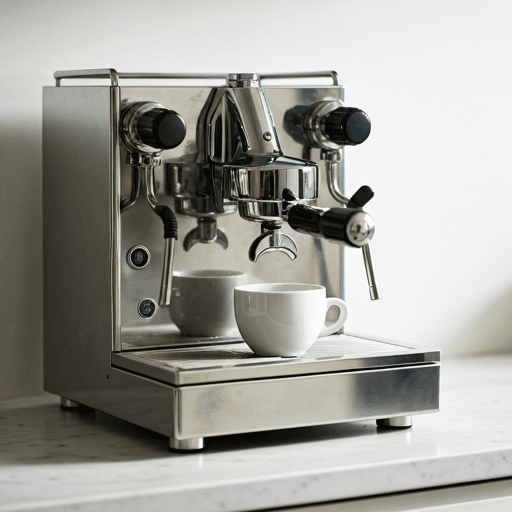
Decaf coffee pods and capsules let you brew a smooth, near-caffeine-free cup at the press of a button, and today almost every pod system makes them. If you own a Nespresso machine, nespresso decaf pods come in both the Original and Vertuo lines, alongside dozens of third-party options. The one rule that overrides everything else: a pod has to physically match your machine before its flavour, roast or eco-credentials matter at all.
This guide walks through the decaf choices across the major systems - Nespresso Original and Vertuo, Keurig K-Cup, Nescafe Dolce Gusto, Lavazza A Modo Mio and Tassimo - explains how decaf pods are actually made, and gives you a simple checklist for choosing well.
How decaf coffee pods work (and why they are not caffeine-free)
A decaf pod is made exactly like a regular one, with a single extra step right at the start. The green coffee bean is decaffeinated first, then roasted, ground and sealed into the capsule. Nothing about the pod hardware changes - the same aluminium or plastic shell, the same dose, the same extraction. So a decaf capsule brews and tastes much like its caffeinated sibling, only without the buzz. It is the roast level and the decaffeination method, not the pod format, that drive most of the flavour difference you will notice from one decaf to the next.
The important caveat: decaf is not caffeine-free. To be labelled decaffeinated, coffee must have at least 97% of its caffeine removed under United States rules, and 99.9% under European Union rules. A trace always remains - usually only a few milligrams per cup, against roughly 50 to 80 mg in a standard caffeinated espresso pod.
How the caffeine is stripped out can affect flavour, and the better brands print the method on the box. The main routes are:
- Swiss Water Process - water only, no solvents; removes around 99.9% of caffeine and protects flavour well.
- CO2 (carbon dioxide) process - pressurised CO2 pulls out caffeine while keeping most aroma compounds intact.
- Sugarcane / ethyl acetate - a solvent derived from fermented sugarcane, often labelled "naturally decaffeinated"; common in single-origin decaf.
- Solvent (methylene chloride) - the oldest industrial method; residual levels are tightly regulated and considered safe, though some drinkers prefer to avoid it.
Nespresso Decaf Pods and Capsules
Nespresso runs two incompatible systems, and each has its own decaf range. Knowing which machine you own is the first decision, because a Vertuo capsule will not work in an Original machine and the reverse is also true.
Original line decaf capsules
The Original line uses small aluminium capsules read by pressure extraction. The decaf capsules Nespresso fans reach for here include Decaffeinato, Ristretto Decaffeinato (a darker, more intense roast), Volluto Decaffeinato (milder and smoother) and Arpeggio Decaffeinato (dark, rich and good under milk). Because the Original format is so widely licensed, this is also where you find the most third-party decaffeinated pods - Lavazza, Starbucks by Nespresso and many own-brand ranges all make compatible decaf, in either aluminium or plastic.
Vertuo decaf pods
Vertuo uses larger, dome-shaped capsules and "centrifusion" brewing, with a barcode on each pod that tells the machine exactly how to brew it. Decaf options include Melozio Decaffeinato (a smooth intensity-6 mug coffee), Fortado Decaffeinato (bolder, gran-lungo size) and Altissio Decaffeinato (a punchy short espresso and the most intense decaf in the line). Because the barcode system is proprietary, a genuine third-party Vertuo decaf pod is far rarer than for the Original line - a real trade-off if you like variety.
Own-brand and supermarket decaf capsules sit at the budget end and can be surprisingly good value, while premium and single-origin decaf costs more but more often states its decaffeination method and bean origin. A common, sensible setup is to keep one bold decaf capsule for milk drinks and one milder one for black coffee. For the full range across both lines, see our explainer on Nespresso pods and capsules, and our overview of coffee capsules as a format.
Keurig decaf K-Cups
In North America the dominant single-serve system is Keurig, and decaf K-Cups are everywhere. Almost every roaster that packs K-Cups offers a decaffeinated version - Green Mountain Decaf is a familiar example - in everything from light breakfast blends to dark French roast. K-Cups brew a longer, filter-style cup rather than an espresso, so they suit drinkers who want a full mug of decaf rather than a short shot.
One thing to know: standard K-Cups are made from number 5 polypropylene plastic. They are technically recyclable, but their small size makes them hard for many facilities to actually process, so check your local rules. If you are weighing up decaf K-Cups, our guide to Keurig-compatible pods covers the brands and formats in more detail.
Dolce Gusto, Lavazza A Modo Mio and Tassimo decaf
Several other systems round out the decaf landscape, each locked to its own machine:
- Nescafe Dolce Gusto - the nescafe decaf line-up includes Lungo Decaffeinato (a 100% Arabica dark roast), Espresso Intenso Decaffeinato and a milky Cafe au Lait Decaffeinato, naturally decaffeinated with water. Dolce Gusto uses high-pressure plastic pods and can pour both black and milky drinks.
- Lavazza A Modo Mio - the A Modo Mio Dek capsule delivers a classic Italian espresso from CO2-decaffeinated Brazilian Arabica. Lavazza also makes Nespresso Original-compatible decaffeinated pods, so the brand appears in two systems.
- Tassimo - decaf T-Discs (from brands such as Kenco and Jacobs) carry a barcode the machine scans to set the brew automatically. Like Dolce Gusto, the discs are plastic and barcode-locked to the system.
Decaf pod and capsule systems compared
| System | Decaf options (examples) | Recyclable? | Notes |
|---|---|---|---|
| Nespresso Original | Decaffeinato, Ristretto / Volluto / Arpeggio Decaffeinato, plus many compatibles | Aluminium; via brand take-back and drop-off | Short espresso and lungo sizes; widest third-party decaf choice |
| Nespresso Vertuo | Melozio, Fortado and Altissio Decaffeinato | Aluminium; via brand programme | Centrifusion; barcode-locked, so few compatibles |
| Keurig K-Cup | Green Mountain Decaf and most roasters' decaf K-Cups | Number 5 plastic; hard in practice | Largest single range; long filter-style mug |
| Nescafe Dolce Gusto | Lungo Decaffeinato, Espresso Intenso Decaffeinato, Cafe au Lait Decaffeinato | Plastic; limited | Makes both black and milk drinks |
| Lavazza A Modo Mio | A Modo Mio Dek (Decaffeinato) | Plastic; limited | Italian espresso style; single brand |
| Tassimo | Decaf T-Discs (various brands) | Plastic; limited | Barcode-read brewing; system-locked |
How to choose decaf pods and capsules
- Match your machine first. Compatibility beats every other factor. A pod must fit your exact system - Nespresso Original, Vertuo, K-Cup, Dolce Gusto, A Modo Mio or Tassimo - and the two Nespresso lines are not interchangeable. When a box says "Nespresso compatible", check it means the Original line unless Vertuo is stated outright.
- Check the decaffeination method. If it matters to you, look for Swiss Water, CO2 or sugarcane (ethyl acetate) on the label. These tend to preserve flavour, and water-only methods avoid solvents entirely. Many supermarket capsules simply do not state the method, which is itself a clue about transparency.
- Pick an intensity and roast to taste. Decaf spans the same spectrum as regular coffee. Want a bold, dark cup under milk? Reach for a high-intensity capsule like Ristretto Decaffeinato or Altissio Decaffeinato. Prefer something lighter and brighter black? A milder roast such as Volluto Decaffeinato or a light decaf K-Cup will suit better.
- Weigh up recyclability. Aluminium capsules (Nespresso-style) are recyclable through the brand's mail-back or drop-off scheme, grounds and all. Plastic pods - most K-Cups, Dolce Gusto and Tassimo - vary by local facility and are often hard to recycle in practice. If waste is a priority, factor this in.
- Mind freshness and format. Sealed pods keep coffee fresh for months, but flavour still fades over a long shelf life, so buy quantities you will get through. Decide too whether you want straight black espresso, a long filter-style mug, or pods that build milky drinks - the system you own narrows this for you.
A note on caffeine and sensitivity
Because a decaf pod still carries a small trace of caffeine - typically only a few milligrams - it is low-caffeine rather than caffeine-free. For most people that is negligible, even in the evening. But if you are very caffeine-sensitive, pregnant, or counting your daily intake closely, remember that several decaf capsules across a day do add up, and switching brands can change the residual amount slightly. When in doubt, choose a Swiss Water or CO2 decaf, which sit at the low end, and treat any specific health question as one for a doctor or midwife rather than a coffee guide.
Decaf pods have come a long way from the flat, dull cup that gave decaffeinated coffee a bad name. Match the format to your machine, pick a roast you genuinely enjoy, and you can have a rich, satisfying cup any time of day without the jolt. From here, it is worth reading our broader decaf coffee explainer to understand the bean behind the capsule - then experimenting with a few intensities until you find your everyday decaf.