
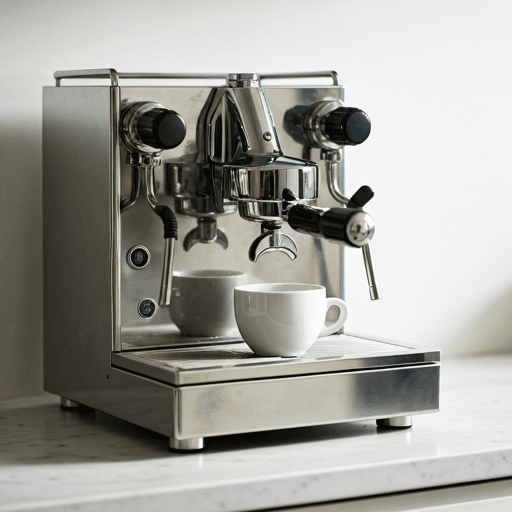
So how do I use a coffee maker? To use a standard automatic drip coffee maker you add cold water to the reservoir, drop a paper or reusable filter and medium-grind coffee into the basket, set the carafe on the warming plate, and press start. That is the whole loop. Everything else is about getting the ratio and grind right so the pot actually tastes good.
This guide walks through the exact steps for a home drip machine, what to do before your very first brew, and the small habits that turn a watery or bitter pot into a clean, balanced one. If you are still shopping, our guide to choosing a coffee maker and the drip coffee maker guide cover the buying side; this page is about the doing.
How to use a coffee maker: the step-by-step method
Almost every drip machine works the same way, whether it is a basic four-cup model or a programmable twelve-cup one. The steps for how to use a coffee machine are nearly identical across brands, so once you learn one you can walk up to most of them. People often ask how do you use a coffee maker versus how do you use a coffee machine, and in everyday English they mean the same drip appliance.
- Fill the water reservoir. Use fresh, cold water and pour it in until it reaches the marking for the number of cups you want. Most makers have a window with cup lines; match the water level to the number of cups you plan to brew.
- Put a filter in the basket. Seat a paper filter (cone or flat-bottom, matching your basket shape) or the machine's reusable mesh filter. If you use paper, a quick rinse with hot water can reduce papery taste, though it is optional.
- Add medium-grind coffee. A good starting point is about 1 to 2 tablespoons of ground coffee per 6 oz cup, which lands near a 1:16 coffee-to-water ratio by weight. Level flat-bottom baskets, and use a slightly finer grind for cone filters.
- Set the carafe on the warming plate. Push it in fully so the drip valve opens onto the pot. If the carafe is off-center, coffee can drip onto the plate instead.
- Switch on and let it finish. Press the brew button and wait until the dripping fully stops before you pour. Pulling the carafe mid-brew changes the strength of the pot and can leave a mess.
- Turn off the hot plate and clean up. Serve within about 20 minutes for the best flavor, then switch off the plate (leaving it on scorches coffee and makes it bitter) and toss the grounds and filter.
Quick reference table
| Step | What to do | Note |
|---|---|---|
| 1. Water | Cold, fresh water to the cup line you want | Filtered water tastes cleaner than hard tap water |
| 2. Filter | Paper or reusable, matched to basket shape | Rinse paper filters if they taste papery |
| 3. Coffee | ~1 to 2 tbsp medium grind per 6 oz cup | Aim near a 1:16 ratio; adjust to taste |
| 4. Carafe | Seat it fully on the warming plate | Off-center carafes drip onto the plate |
| 5. Brew | Press start, wait for dripping to stop | Don't interrupt the cycle mid-pour |
| 6. Finish | Pour, switch off plate, discard grounds | Hot plate scorching turns coffee bitter |
Before your first brew: run a water-only cycle
New machines carry manufacturing dust and residue, so the first thing to do is brew a full pot of plain water with no coffee and no filter, then discard it. Run one or two water-only cycles until the water comes out clear and odorless. This rinses the tank, tubing, and hot plate and gives your first real pot a clean start. It is also the fastest way to learn how to use coffee maker controls before coffee is on the line.
How to make drip coffee taste better
The method is easy; the flavor is all in the details. A few adjustments cover most of what separates a flat pot from a good one.
- Grind fresh and medium. Pre-ground works, but coffee ground just before brewing tastes noticeably brighter. Match the grind to your basket: medium (like coarse sand or table salt) for flat-bottom, slightly finer for cone filters.
- Dial in the ratio. If the pot tastes weak and watery, add more coffee or use less water; if it tastes harsh, back off. Small changes matter, so shift by a spoon at a time. Our coffee brewing ratios guide has the full breakdown.
- Use good water. Coffee is mostly water, so filtered or fresh cold water beats stale or heavily chlorinated tap water.
- Don't leave it on the plate. The warming plate keeps cooking the coffee, drawing out bitter, burnt flavors within about 20 to 30 minutes. Pour into an insulated carafe or thermos instead.
- Descale regularly. Mineral scale from hard water clogs the machine and slows the drip. Run a cycle of equal parts white vinegar and water (or a descaling solution) every month or two, then two plain-water cycles to rinse.
Troubleshooting common problems
If your coffee comes out weak, you are likely using too little coffee or too much water; nudge the ratio. If it tastes bitter or burnt, the usual suspects are stale beans, a hot plate left on too long, or a machine that needs descaling and cleaning. Slow or sputtering drips almost always mean scale buildup, so a descale usually fixes it. And if grounds end up in your cup, check that the filter is seated flat and not folded over. For the wider picture of brewing methods beyond drip, see our overview of how to make coffee.
Programmable and pod machines
Programmable drip makers add a timer so you can load water and grounds the night before and wake up to a fresh pot; the brewing steps are identical, you just set the clock and start time. Single-serve pod machines skip the filter-and-grounds routine entirely, using sealed capsules instead, but the core idea of how do you use a coffee machine holds: water in, coffee in, press a button. Whatever the format, knowing how to use coffee machine basics like ratio, grind, and cleaning carries across all of them.
The bottom line
Learning how to use a coffee maker takes about five minutes; the rewarding part is refining it. Get the water and grounds right, let the cycle finish, pour promptly, and keep the machine clean, and a simple drip maker will give you a reliably good cup every morning. From there, experiment with fresher beans and a tighter ratio, and explore other brewing styles when you are ready for something new.