
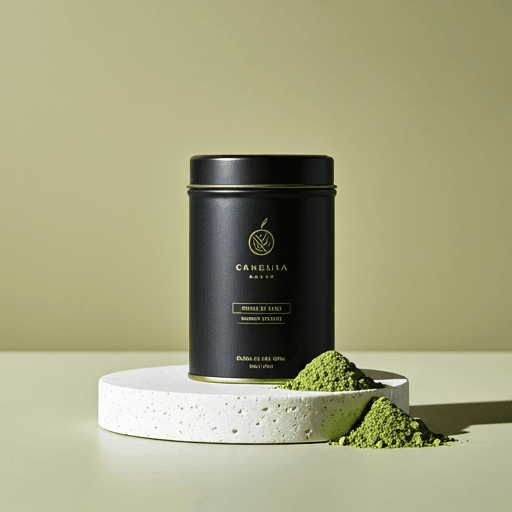
Here is how to make sweet woodruff tea in a single line: steep about a teaspoon of wilted or dried sweet woodruff leaves in a cup of just-off-boil water for two to four minutes, then strain. The result is a soft, gently sweet, caffeine-free infusion that carries the scent of vanilla, fresh almond and new-mown hay. Below is the fuller version of the recipe, plus the one detail most people miss: why the leaves have to wilt before they smell of anything at all.
What is sweet woodruff tea?
Sweet woodruff tea is a caffeine-free herbal infusion made from the slender, whorled green leaves of sweet woodruff (Galium odoratum), a low, shade-loving woodland groundcover that carpets the floor of forests across Europe. The plant is sometimes called wild baby's breath for its clusters of tiny white spring flowers. Growing in the ground, the fresh leaf barely smells of anything. That signature hay-vanilla-almond sweetness only develops once the leaves wilt or dry, as a compound called coumarin is released. That is the whole trick behind a good cup, and it is why galium odoratum tea tastes so unlike most fresh green herbs.
If loose botanical infusions are new to you, our guide to what herbal tea is covers the basics of steeping caffeine-free leaves and flowers, so this article can stay focused on woodruff itself. In flavour and mood, sweet woodruff sits close to other gentle, floral, woodland brews. If you enjoy the honeyed lift of elderflower tea or the soft, meadow calm of chamomile tea, you will likely take to this one too.
Culturally, sweet woodruff is best known as the signature scent of European May wine (Maiwein or Maibowle), a springtime punch traditionally made by steeping wilted woodruff sprigs in white wine for the first of May. The same aroma turns up in seasonal cordials, jellies and festive punches across Central Europe. A warm cup of woodruff tea is simply the alcohol-free, everyday version of that classic May scent.
Why you wilt or dry the leaves first
This is the step people skip. Fresh, just-picked woodruff is nearly odourless, so to wake up the vanilla-hay fragrance you first need to wilt the cut sprigs for several hours, or dry them fully, so the coumarin can develop. Lay the sprigs in a single layer on a tray or a clean cloth somewhere airy and out of direct sun. Give them at least a few hours, until they look limp and slightly darkened, or a day or two to dry crisp. When they smell sweet and hay-like, they are ready to brew.
Because that lovely smell comes from coumarin, the same reason you wilt the leaves is also the reason to go easy. Keep woodruff tea light and occasional, a delicate now-and-then cup rather than a strong, daily brew. Use a modest amount of leaf, a short steep, and treat it as a seasonal pleasure. There is more on that in the safety note below.
What you need
- Sweet woodruff: about 1 teaspoon of wilted or dried leaves per cup (a small, light handful of fresh wilted sprigs). Use only the leaves and flowering tops, and be sure you have correctly identified the plant if you foraged it.
- Water: around 200-250 ml (about 8 oz) at roughly 90-95 C (194-203 F), just off the boil rather than a rolling boil.
- Optional: a little honey to sweeten and a thin slice of lemon to brighten it. (Never give honey to infants under 12 months.)
- Kit: a cup or small teapot, plus an infuser or a small strainer.
How to make sweet woodruff tea, step by step
- Wilt or dry the leaves. Spread cut woodruff sprigs on a tray out of direct sun and let them wilt for a few hours, or dry them fully over a day or two, until the sweet, hay-like scent appears.
- Measure a light amount. Place about 1 teaspoon of the wilted or dried leaves into your cup or pot. A light hand is better than a heavy one here.
- Heat the water. Bring water to a boil, then let it settle for about 30-60 seconds so it drops to roughly 90-95 C.
- Pour and cover. Pour the hot water over the leaves and cover the cup or pot right away, since covering keeps the delicate aroma from drifting off as steam.
- Steep 2-4 minutes. Let it infuse for two to four minutes: shorter for a whisper of flavour, a touch longer for a fuller cup, but do not over-steep.
- Strain. Lift out the infuser or strain the leaves so the tea does not keep getting stronger in the cup.
- Sweeten and sip. Taste, add a little honey or a slice of lemon if you like, and sip it warm.
For more on getting temperature and timing right across botanical infusions, our notes on how to brew herbal tea apply neatly to woodruff too.
Quick reference
| Leaf per cup | Water & steep | Note |
|---|---|---|
| ~1 tsp wilted or dried leaves | ~90-95 C, 2-4 min, covered | Keep it light; strain promptly |
| Weaker, first try | ~90 C, 2 min | Best starting point to judge the aroma |
| Fuller cup | ~95 C, up to 4 min | Do not push past 4 min or raise the amount |
What it tastes like, and ways to serve it
Expect something soft and rounded rather than sharp or grassy: a sweet, faintly creamy cup with clear notes of vanilla, almond and fresh-cut hay, and only the mildest herbal edge. It is naturally low-key, which is part of its charm. Serve it plain to enjoy the aroma, with a little honey to round it out, or with a thin slice of lemon to lift it. In warmer months, a lightly brewed batch cooled over ice makes a fragrant, caffeine-free change of pace; brew it fresh and drink it the same day.
Use a light hand, and storing woodruff
The sweet woodruff tea recipe above is deliberately restrained, and that is the point: a modest teaspoon and a short steep give you all the fragrance you want without pushing the coumarin. Dried woodruff keeps its scent well, so store the fully dried leaves in a clean, airtight jar away from light and heat and they will hold their vanilla-hay aroma for months. Wilted, not-yet-dry sprigs are best used within a day or so. Brewed tea is best enjoyed fresh and warm; if you want it cold, chill a fresh batch and finish it the same day rather than leaving it standing.
A light note on coumarin and safety
The pleasant scent of woodruff comes from coumarin, which is exactly why the tradition is to enjoy it lightly and occasionally rather than as a strong, everyday drink. Keep the amount modest and the steep short. As a sensible precaution, sweet woodruff tea is best avoided by anyone who is pregnant or breastfeeding, taking blood-thinning medication, or living with liver concerns; if that is you, ask your own healthcare provider before trying it.
Responses vary from person to person, and this is not medical advice. Treat woodruff tea as a seasonal, aromatic pleasure, a cup to enjoy for its scent and the feeling of spring, rather than a remedy.