
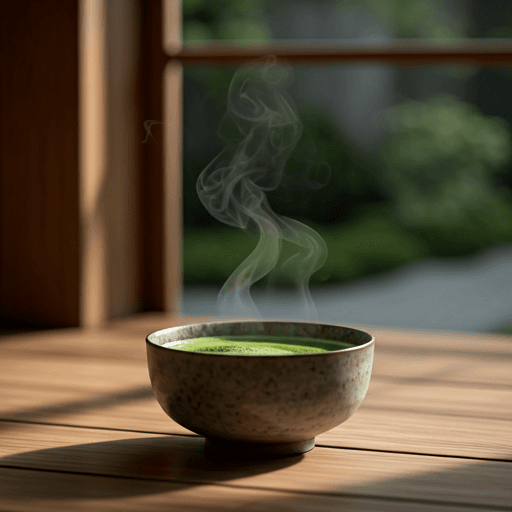
If you want to learn how to make sweet cicely tea, the short answer is quick: steep a small handful of the soft, ferny leaves of sweet cicely (Myrrhis odorata) in just-off-boil water for a few minutes, then strain. The result is a naturally sweet, anise-and-liquorice-scented, caffeine-free infusion that needs little or no added sugar. Below is the full method, with amounts, a steeping table and the identification points that matter for this hedgerow herb.
What sweet cicely tea is
Sweet cicely is a tall, soft-leaved herb of European hedgerows, woodland edges and old cottage gardens, in the carrot family (Apiaceae). Its fern-like leaves smell strongly of aniseed when crushed, and that gentle anise-and-liquorice character carries straight into the cup. Sometimes labelled myrrhis odorata tea after the plant's botanical name, the brew is pale, soft and faintly sweet - the plant carries its own natural sweetness, so many people drink it plain.
Because it is naturally sweet, sweet cicely has long been grown across Europe as a sweetening herb. Cooks once added the leaves to tart fruit such as gooseberries and rhubarb while they simmered, letting the herb take the edge off the sourness so less sugar was needed. That same soft sweetness is what makes a cup of cicely tea such an easy, comforting caffeine-free drink.
If the aniseed note reminds you of other kitchen herbs, that is no accident. It sits in the same flavour neighbourhood as fennel tea, and it shares the carrot-family seed heritage of caraway tea. For the wider world of leaf-and-flower infusions and how they differ from true tea, see our guide to what herbal tea is.
Why a shorter steep works best
The key thing to know is that a shorter steep keeps the fresh anise note bright. Sweet cicely's aromatics are delicate; push the steep too long and the cup turns flat and grassy rather than sweet and lifted. Three to five minutes is plenty. Because the tea is caffeine-free and gently sweet, it makes an especially good after-dinner cup - something warm and calming with no stimulant to keep you awake, and its natural sweetness means it rarely needs sugar to finish a meal.
It is just as pleasant cold. Steep it a touch stronger, let it cool, then pour over ice for a soft, sweet iced infusion; a sprig of mint or a slice of lemon suits it well on a warm day. You can also stretch a small handful of sweet cicely with other mild leaves - a little lemon balm or a few mint leaves - to build a gentle house blend, though the herb is lovely enough on its own that many people never bother.
Identify the plant correctly before you forage
This is the part to take seriously. Sweet cicely belongs to the carrot family (Apiaceae), and that family also contains some of the most poisonous plants in the temperate world, including hemlock and hemlock water-dropwort. Several of them can look, at a glance, like an innocent ferny umbellifer. You must be 100 percent sure of correct identification before you use any wild plant - if there is any doubt at all, do not pick it.
The classic sweet cicely ID points are worth learning together, not one at a time: soft, downy, fern-like leaves that are often flecked with pale markings; a distinct, sweet aniseed smell the moment you crush a leaf (poisonous lookalikes do not carry this warm anise scent); and flat-topped clusters of tiny white flowers (umbels) in late spring, followed by long, ridged seed pods. If you cannot confirm the plant with confidence, buy dried sweet cicely from a reputable herb supplier or grow it yourself from a clearly labelled plant instead.
Ingredients and amounts
This simple sweet cicely tea recipe is forgiving - the amounts below are a starting point you can adjust to taste, and it works equally well with fresh or dried leaves.
- Sweet cicely leaves - a small handful of fresh leaves, or about 1 to 2 teaspoons of dried leaf, per cup.
- Water - freshly boiled and left to settle for a moment, around 90 to 95C (just off the boil).
- Optional honey - usually unnecessary, since the leaf is sweet on its own; add a little only if you want. Never give honey to infants under 12 months.
- Optional lemon - a thin slice brightens the cup if you like a little lift.
How to make sweet cicely tea, step by step
- Rinse the leaves. Give fresh leaves a quick rinse under cool water to remove any grit or garden dust.
- Add them to the cup or pot. Tear or lightly bruise a small handful of fresh leaves (or measure 1 to 2 teaspoons of dried) into a cup, mug or small teapot.
- Pour over hot water. Add water at about 90 to 95C. Fully boiling water can scorch the delicate aromatics, so let the kettle settle for half a minute first.
- Cover and steep. Put a lid or saucer over the cup and steep for 3 to 5 minutes. Covering keeps the fragrant steam in the cup.
- Strain. Strain out the leaves so the tea does not keep infusing and turn bitter.
- Taste before you sweeten. Try it first - most cups need nothing. Add a touch of honey or a slice of lemon only if you want to.
- Sip warm. Enjoy it while it is warm and the anise aroma is at its freshest.
| Leaf per cup | Water | Steep | Note |
|---|---|---|---|
| Small handful fresh leaves | ~90-95C | 3-4 min | Truest, sweetest anise flavour |
| 1 tsp dried leaf | ~90-95C | 4 min | Lighter, softer cup |
| 2 tsp dried leaf | ~90-95C | 5 min | Fuller, more aromatic cup |
Fresh vs dried leaves, and storage
Fresh leaves give the truest anise sweetness - the volatile oils that carry the flavour fade as the leaf dries, so a cup from just-picked leaves is livelier and sweeter than one from dried. If you grow the plant, pick young leaves through spring and early summer when they are at their most tender and aromatic.
To keep leaves for later, dry them gently in a warm, airy spot out of direct sun until they crumble, then store the dried leaf in an airtight jar away from light and heat and use it within a year for the best aroma. Fresh leaves keep for a few days wrapped loosely in the refrigerator. For more on getting the most from any leaf-and-flower infusion, our guide on how to brew herbal tea covers water temperature, timing and ratios in more depth.
A light note on safety
Keep sweet cicely tea an occasional, modest cup rather than an all-day drink, and lean on the same common-sense caution as with any foraged plant: correct identification is essential because it is in the carrot family. Any pleasant, soothing impression people describe is gentle and varies from person to person - responses vary, and this is not medical advice. If you are pregnant or breastfeeding, or taking any medication, ask your own healthcare provider before adding a new herbal tea to your routine.