
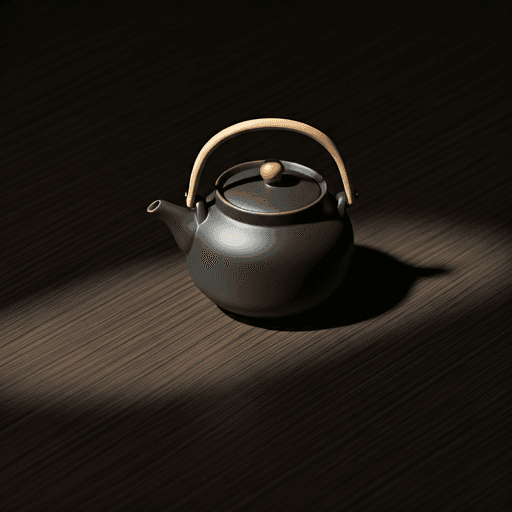
If you want to know how to make savory tea, the short answer is simple: pour just-off-boil water over the fresh or dried leaves of savory, cover the cup, and steep for a few minutes until the water turns pale gold and carries a warm, peppery, herby aroma. Savory tea is a caffeine-free infusion made from savory — a small, aromatic mint-family cooking herb of the Mediterranean — and it tastes a lot like thyme meeting oregano, with its own faintly peppery edge.
Two culinary savories turn up in kitchens and gardens: summer savory (Satureja hortensis) and winter savory (Satureja montana). Both make a lovely cup and the method is almost identical, so this guide covers the exact amounts, water temperature, and steep time, plus a quick table to help you dial in the strength you prefer.
What savory tea tastes like — and where it comes from
Savory is one of the great kitchen herbs of southern Europe, and it is savory by name and by nature. For centuries it has seasoned beans, lentils, sausages, stuffings, and grilled meats and vegetables all around the Mediterranean, where it grows wild on sunny, rocky hillsides. Cooks have long paired it with pulses because it brings a bold, herby warmth that ties a dish together.
Brewed as a tea, that same character comes through in the cup. Expect a taste that sits somewhere between thyme and oregano — green and herbaceous, a little resinous and pine-like, with a gentle peppery bite on the finish. It is aromatic rather than sweet, so it rewards a small touch of honey or a squeeze of lemon if you want to round off its savory edge. If you already enjoy other Mediterranean culinary-herb infusions, savory belongs to the same family as marjoram tea and oregano tea, and it sits comfortably beside them.
For a broader look at what counts as a herbal infusion and how these caffeine-free cups differ from true tea, see our overview of what herbal tea is. This guide keeps the focus squarely on brewing savory well.
Summer savory vs winter savory
The single most useful thing to know is that the two savories are not interchangeable in strength. Summer savory (Satureja hortensis) is the softer, sweeter, more delicate of the pair — milder pepper, a touch of thyme, easy to like. Winter savory (Satureja montana) is a hardier perennial with tougher leaves; it is stronger, more resinous, and distinctly piney, so it can turn assertive if you over-steep it.
In practice this means you can be a little more generous and steep a touch longer with summer savory, while a lighter hand and a shorter steep suit winter savory. A summer savory tea leans gentle and thyme-like, whereas a winter savory tea reads bolder and more piney. A squeeze of lemon and a little honey flatter both, and they are especially welcome with winter savory, where they soften that resinous note.
Identifying and sourcing savory
Use culinary savory — the same herb sold for cooking — whether you pick it fresh from the garden or buy it dried. Fresh sprigs should smell clean, green, and peppery, and dried savory keeps that aroma well when it has been stored properly. Both summer and winter savory are widely grown, and either works for tea. If you are foraging, be confident of your identification and stick to plants you know are the true culinary savories; when in doubt, buy a labeled dried herb instead. Skip concentrated savory essential oil for drinking — that is a different, much stronger product, and it is not what this cup calls for.
What you need
- 1 small sprig of fresh savory, or about 1 teaspoon of dried savory, per cup (roughly 250 ml)
- Fresh water, heated to about 95C (just off the boil)
- Optional: a little honey, to taste
- Optional: a squeeze of lemon
- Optional: a sprig of mint or thyme to blend and lift the aroma
- A cup with a lid or a small saucer, plus a strainer or infuser
Water just off the boil — around 95C — is ideal. Fully boiling water can scorch delicate leaf herbs and drive off some of the lighter aromatics, so let a kettle rest for 30 to 60 seconds after it clicks off before you pour.
How to make savory tea, step by step
- Measure and bruise the herb. Add a small fresh sprig, or about 1 teaspoon of dried savory, to your cup or a small teapot. If you are using fresh savory, lightly bruise or crush the leaves between your fingers first to release the aromatic oils.
- Heat the water. Bring fresh water to the boil, then let it stand briefly so it settles to about 95C.
- Pour and cover. Pour the hot water over the savory and cover the cup straight away with a lid or saucer. Covering traps the fragrant, volatile oils so they stay in your cup instead of drifting off in the steam.
- Steep. Let it steep for 5 to 8 minutes. Start at the shorter end for a gentle cup — especially with winter savory — and go longer when you want it bolder.
- Strain. Lift out the sprig or strain off the dried leaf so the tea does not keep getting stronger and more bitter.
- Finish to taste. Add a squeeze of lemon, a little honey, or both. Taste, adjust, and sip it warm.
Two small habits make a real difference: keep the cup covered while it steeps to preserve the aroma, and lean on a shorter steep whenever you want a gentler, less resinous result. You can always steep the next cup for longer once you know how strong you like it.
Amounts and steep time at a glance
| Savory | Character | Amount per cup | Steep time |
|---|---|---|---|
| Summer savory (Satureja hortensis) | Softer, sweeter, milder pepper | 1 small fresh sprig or ~1 tsp dried | 5-6 minutes |
| Winter savory (Satureja montana) | Stronger, more resinous and piney | 1 small fresh sprig or ~3/4 tsp dried | 6-8 minutes (start shorter) |
Lemon, honey, and easy blends
Savory's herby, peppery character takes well to simple additions. A squeeze of lemon brightens it and tames any resinous heaviness, while a small spoon of honey rounds it into something more comforting. (Never give honey to infants under 12 months.) For a more layered cup, drop in a sprig of fresh mint or a little thyme — both are natural partners that echo savory's Mediterranean roots. If you enjoy blending herb infusions, the general techniques in our guide to how to brew herbal tea transfer directly to savory.
Storing savory so it keeps its aroma
Fresh savory keeps for several days wrapped loosely in the fridge, and standing the cut stems in a little water like a small bunch of flowers extends that further. To keep it longer, hang small bundles to air-dry, or dry the sprigs gently, then strip the leaves and store them in an airtight jar away from heat and light. Dried savory holds its flavor best within about a year — give the jar a sniff before you brew, since aroma is the real test of whether it still has life in it. Any brewed tea you do not finish is best enjoyed the same day.
Is savory tea safe to drink?
Enjoyed as an occasional cup, savory tea is simply the culinary herb brewed in water — the same savory people cook with every day. A few sensible points keep it that way. Use ordinary food amounts of the leaf rather than the concentrated essential oil. Keep it an occasional pleasure instead of something you drink in large quantities, and keep it modest — or set it aside — during pregnancy, since strongly aromatic culinary herbs are best held to light, food-level amounts then.
People sometimes reach for herby infusions like this after a meal simply because they enjoy the warm, savory flavor. Responses vary from person to person, and this is not medical advice. If you are pregnant or breastfeeding, or you take any medication, check with your own healthcare provider before making savory tea a regular habit — and, as with any new herb, start small to see how you like it and how it agrees with you.