
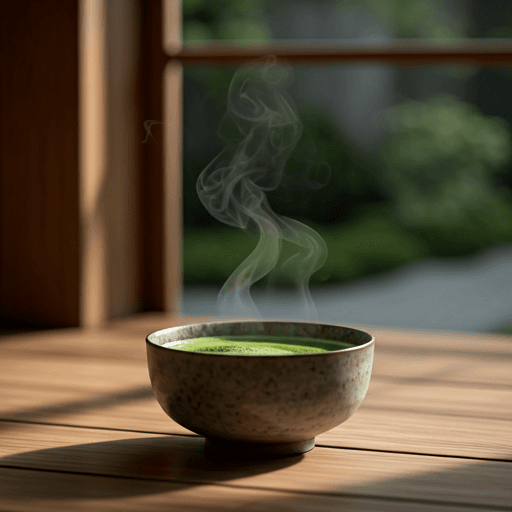
To make pineapple weed tea, steep about 1 to 2 tablespoons of fresh flower heads (or 1 to 2 teaspoons dried) in a cup of just-off-boil water, around 90 to 95C, for 4 to 6 minutes, then strain. If you have ever wondered how to make pineapple weed tea, that one line is the whole recipe: it is a mild, gently sweet, caffeine-free infusion with an apple-and-pineapple-and-chamomile scent, brewed from the small cone-shaped greenish-yellow flower heads of a tough little wayside plant. Below is the fuller version, including how to spot the plant safely and get the brightest aroma in the cup.
What pineapple weed tea is
Pineapple weed tea is a soft, fruity, chamomile-like infusion made from the flower heads of Matricaria discoidea, a low-growing wild chamomile relative. Its common name is well earned: crush one of the little green-yellow cones between your fingers and you get a bright hit of pineapple and sweet apple, backed by the mellow, hay-and-honey character you might know from true chamomile. In the cup the flavour is gentle and lightly sweet, more delicate than most herbal blends, with none of the bitterness you sometimes find in leaf teas.
The plant itself is a survivor. It thrives in exactly the places nothing else wants to grow: compacted paths, gravel driveways, cracks in pavement, farm gateways and waste ground, across North America, Europe and much of the northern hemisphere. That toughness is part of the culture around it. Because it grows freely almost everywhere and asks for nothing, pineapple weed has long been a free foraged tea, gathered on walks and steeped fresh. It is a close cousin of chamomile, and if you want the full story on that better-known flower, our guide on how to make chamomile tea covers it. Here we are focused squarely on its wilder, fruitier relative. If you enjoy the idea of turning a common wayside plant into a drink, you may also like our take on how to make dandelion tea, another humble weed with a long tradition of being brewed.
How to identify and forage pineapple weed
Correct identification and a clean picking spot matter more than any brewing detail, so start here. Pineapple weed is a small annual, usually only ankle-to-shin high, with feathery, finely divided bright-green leaves that also smell fruity when bruised. The giveaway is the flower: a rounded, cone-shaped, greenish-yellow head with no white petals at all. This raylessness (no petal ring) separates it at a glance from ordinary daisies and from chamomile, which do carry white ray petals. The single most reliable test is the nose. Pick one cone, crush it, and you should smell that unmistakable pineapple-apple aroma. No fruity smell means it is not pineapple weed, so leave it.
Because the plant famously grows in trodden ground, location is everything. Gather only from correctly identified, unsprayed plants, and stay well away from busy roadsides, driveways, car parks, and any area where pets are walked or where herbicides may have been used. Pick the flower cones on a dry day, ideally mid-morning once any dew has lifted, taking a little from each patch rather than stripping a spot bare. A small handful of heads is plenty for several cups. When in doubt about identity, do not brew it.
Ingredients for a pineapple weed tea recipe
This is a genuinely minimalist pineapple weed tea recipe. Per cup you need:
- About 1 to 2 tablespoons of fresh pineapple weed flower heads, or 1 to 2 teaspoons of dried heads
- Around 250 ml (about 1 cup) of water, heated to roughly 90 to 95C, which is just off the boil
- Optional: a little honey to sweeten, or a slice or squeeze of lemon to lift the fruity notes
Fresh heads give the brightest, most pineapple-forward cup, while dried heads keep the plant available out of season with a softer, more chamomile-like result. Because the flavour is delicate, a covered vessel (a small teapot or a saucer over your mug) helps trap the aromatic oils that would otherwise drift off with the steam.
How to make pineapple weed tea, step by step
Here is how to make pineapple weed tea from start to finish. The method is the same whether you use fresh or dried flower heads; only the amount and steep time shift slightly.
- Rinse the flower heads. Give fresh heads a quick swish in cool water to remove dust and any tiny insects, then shake off the excess. Dried heads do not need rinsing.
- Add them to your cup or pot. Place the heads directly in a mug, or use a small teapot or an infuser basket if you would rather not strain loose flowers later.
- Heat the water to just off the boil. Aim for about 90 to 95C. Boiling water straight off a rolling boil can scald these delicate flowers and dull the fruit aroma, so let a freshly boiled kettle sit for 30 to 60 seconds first.
- Pour and cover. Pour the hot water over the flower heads and cover the vessel. Covering keeps the volatile pineapple-apple oils in the cup rather than letting them escape.
- Steep 4 to 6 minutes. Four minutes gives a light, fragrant cup; five to six minutes deepens the chamomile side. Taste as you go, since this is a forgiving brew.
- Strain and finish. Strain out the flowers (or lift out the infuser), then sweeten lightly with honey or brighten with a little lemon if you like. Sip it warm.
Fresh heads reward you with the most vivid pineapple aroma, so if you have just gathered a handful, brew them the same day for the best cup. For a broader primer on getting the water temperature, timing and ratio right across loose botanicals, our guide on how to brew herbal tea is a useful companion.
Quick brewing table
| Flower amount (per cup) | Steep time | Note |
|---|---|---|
| 1 tbsp fresh heads | 4 min | Light, bright, most pineapple-forward |
| 2 tbsp fresh heads | 5 to 6 min | Fuller cup, rounder chamomile character |
| 1 tsp dried heads | 4 to 5 min | Softer, gentler, good everyday strength |
| 2 tsp dried heads | 5 to 6 min | Strongest, most aromatic dried brew |
Drying and storing pineapple weed
To keep the harvest going, dry the flower heads. Spread them in a single layer on a tray, mesh screen or a clean cloth, out of direct sun in a warm, airy spot, and turn them every day or two until they feel crisp and papery, usually one to two weeks. You can also use a dehydrator on a low setting. Once fully dry, store the heads in an airtight jar in a cool, dark cupboard, away from light and moisture. Well-dried and well-sealed, they hold their fragrance for several months, though the pineapple note fades gradually, so use them while they still smell fruity. If a jar ever smells musty or shows any sign of dampness, discard it.
Is pineapple weed tea safe to drink?
For most people pineapple weed makes a pleasant everyday cup, but a couple of light, practical points are worth knowing. Pineapple weed is in the daisy family (Asteraceae), the same family as chamomile, ragweed and marigolds. Anyone with a known ragweed or daisy allergy may want to be cautious, or start with a small amount, since sensitivities can cross over within this plant family. As always with foraging, only brew plants you have identified with confidence, gathered away from roadsides and treated ground.
Any wellness talk around herbal infusions should stay gentle and general. This is a mild, caffeine-free drink to enjoy for its flavour and warmth rather than a remedy, responses vary from person to person, and this is not medical advice. If you are pregnant or breastfeeding, or taking any medication, it is sensible to ask your own healthcare provider before adding a new botanical tea to your routine. And a small kitchen note: never give honey to infants under 12 months. If you would like to understand the wider category these drinks belong to, our explainer on what herbal tea is puts pineapple weed, chamomile and the rest in context. Enjoyed simply for what it is, this fruity little wayside brew is one of the friendliest introductions to foraged tea there is.