
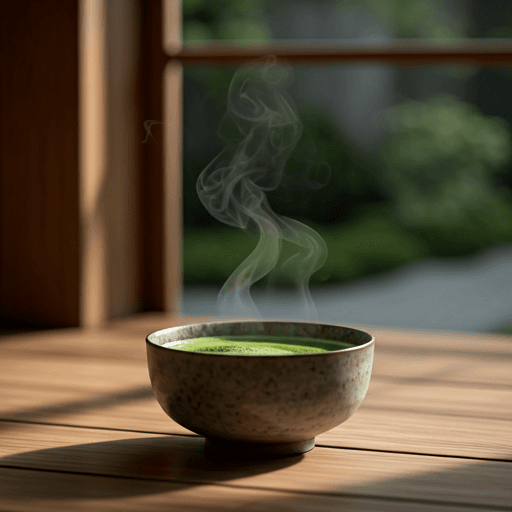
If you want to know how to make parsley tea, the short answer is simple: steep a small handful of fresh parsley leaves (or about 1 to 2 teaspoons of dried parsley) in just-off-boil water for 5 to 8 minutes until the cup turns a pale green-gold, then strain and brighten it with a squeeze of lemon. It is a clean, grassy, caffeine-free infusion you can put together with an herb that is probably already sitting in your refrigerator.
Below is a full parsley tea recipe with amounts, timing, a quick reference table, and a couple of easy variations. Parsley is one of the most familiar culinary herbs in the world, so this is a friendly place to start if you are new to brewing herbs at home.
What parsley tea is (and how it tastes)
Parsley tea is a herbal infusion, or tisane, made by steeping the leaves of the parsley plant (Petroselinum crispum) in hot water. That name covers the same bright green herb you scatter over pasta, potatoes, and soups. Because it is made from a garden herb rather than the tea plant (Camellia sinensis), it contains no caffeine and none of the tannins you get from black or green tea.
The flavour is exactly what you would expect if you have ever chewed a sprig raw: fresh, herbaceous, and clean, with a mild peppery edge and a whisper of something almost celery-like. Brewed gently it stays light and grassy; pushed too long it can turn a little sharp, which is why the timing below matters. If you want the wider background on what counts as a tisane and how these caffeine-free brews differ from true tea, our guide on what herbal tea is covers the basics.
Parsley has deep roots around the Mediterranean and across Europe, where it has been a kitchen and garden staple for centuries. Turning it into a warm drink is a natural extension of that everyday, cook-with-what-you-have tradition.
Fresh vs dried, curly vs flat-leaf
Both fresh and dried parsley make a good cup, and both of the common types work.
- Fresh parsley tea tastes the brightest and greenest. A small handful of leaves and tender stems gives a lively, vegetal cup. This is the version most people picture when they think of parsley leaf tea.
- Dried parsley is more concentrated by volume, so you need less, and it is handy year-round. The flavour is a touch hayey and softer than fresh, but still pleasant.
- Curly parsley is milder and looks decorative; it makes a gentle cup.
- Flat-leaf parsley (also called Italian parsley) is a little more robust and aromatic, so it gives a slightly deeper, more savoury infusion.
Use whatever you have. If you are buying specifically to brew, flat-leaf gives you the most flavour for your effort, but there is no wrong choice here.
Ingredients and amounts
For one generous cup (about 250 ml / 8 oz):
- A small handful of fresh parsley (roughly 10 to 15 g, leaves and tender stems), or about 1 to 2 teaspoons of dried parsley
- Just-off-boil water, around 95 C / 200 F
- Optional: a slice of lemon or a squeeze of juice
- Optional: a little honey to sweeten
- Optional: a thin slice of fresh ginger for warmth
You do not need special equipment. A mug and a small strainer, a teapot, or a French press all work. If you like to keep the leaves contained, an open mesh infuser with plenty of room lets the parsley expand and release its flavour.
How to make parsley tea, step by step
Here is the simple method for a single cup. Scale the parsley and water up evenly if you are brewing a pot.
- Rinse the parsley. Give fresh parsley a quick rinse under cool water to remove any grit, and shake it dry. Skip this step for dried.
- Chop or bruise it. Roughly chop fresh parsley, or press and bruise the sprigs with the back of a spoon. Breaking the leaves open helps release their aroma into the water.
- Add it to your cup or pot. Drop the parsley, or spoon in the dried herb, so it sits in your mug, infuser, or teapot.
- Pour over hot water. Bring water to a boil, let it settle for about 30 seconds so it drops to roughly 95 C / 200 F, then pour it over the parsley. Water just off the boil keeps the flavour fresh rather than stewed.
- Cover and steep. Cover the cup with a saucer, or the pot with its lid, and let it steep for 5 to 8 minutes. Covering traps the aromatic steam so it settles back into the cup instead of drifting off.
- Strain. Pour the tea through a strainer, or lift out the infuser, so you are left with a clear, pale green-gold cup.
- Finish and serve. Add a squeeze of lemon and a little honey if you like, and drink it hot. To serve it cold, let it cool and pour over ice.
Start toward the shorter end of the steep for a light cup, and lean toward 8 minutes for something more pronounced. Parsley is forgiving, but like most leafy herbs it can turn grassy-sharp if you leave it sitting for a very long time. For a deeper look at how steeping time changes any infusion, see our notes on how long to steep tea.
| Parsley form | Amount per cup | Steep time |
|---|---|---|
| Fresh, flat-leaf | Small handful (about 10-15 g) | 5-8 min |
| Fresh, curly | Small handful (about 10-15 g) | 6-8 min |
| Dried | 1-2 tsp | 5-7 min |
A parsley-and-lemon version
Lemon and parsley are a natural pair, and a citrus-forward cup is the most popular way to drink this infusion. To make it, brew the tea as above, then stir in the juice of a quarter to half a lemon and, if you want, drop the spent lemon slice into the cup. The acidity lifts the herb's fresh, peppery side and softens any bitterness. A thin coin of fresh ginger added at the steeping stage gives a warmer, slightly spicy cup that is lovely on a cold morning, and a small spoon of honey rounds everything off. This same brighten-with-citrus trick works across many leafy herbal teas.
Storing parsley and leftover tea
Fresh parsley keeps best in the refrigerator. Stand the bunch stems-down in a glass with a little water, loosely cover the leaves, and it will stay lively for up to a week or so. You can also wrap it in a slightly damp paper towel inside a container. Dried parsley keeps for months in a sealed jar away from light and heat, though its aroma fades over time, so give it a sniff before brewing.
Brewed parsley tea is best enjoyed fresh, but leftover tea can be cooled, covered, and refrigerated for up to a day to drink over ice. If it smells off or looks cloudy, pour it out. Because parsley is so easy to brew a cup at a time, most people simply make it fresh whenever the mood strikes.
Once you are comfortable with the method, the same rinse-bruise-steep-strain rhythm carries over to almost any garden herb. Our general guide on how to brew herbal tea walks through it, and if you enjoy clean, savoury-leaning herbal cups you might like the gentle, faintly sweet fennel tea next.
A light note on safety
Parsley is an everyday food, and enjoying it as an occasional cup of tea made from ordinary culinary amounts of the leaf is, for most people, just that: a familiar herb in hot water. The sensible cautions are about concentration, not the herb itself. It is the concentrated forms of parsley, above all the essential oil and very strong, medicinal-style brews, that are traditionally avoided during pregnancy, not the leaf used in food. So if you are pregnant or breastfeeding it is best to skip concentrated parsley tea and the essential oil altogether and to check with your own healthcare provider first. Likewise, anyone with kidney concerns, or anyone taking medication who wants to drink it regularly, should ask their own doctor or pharmacist before making it a habit.
None of this is a reason to worry about a normal cup; it is simply about keeping to gentle, food-level amounts of the fresh or dried leaf. Responses vary from person to person, and this is general information, not medical advice.