
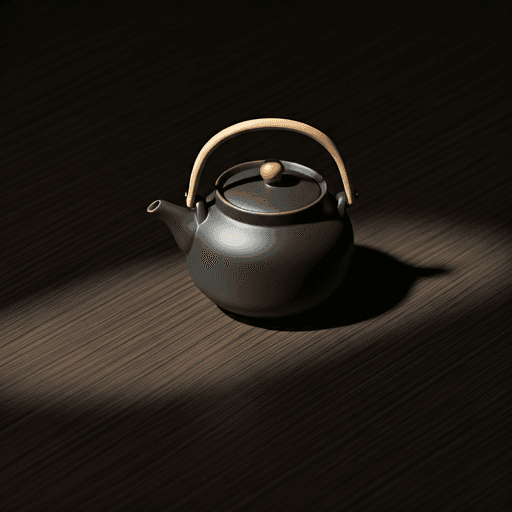
Learning how to make onion tea takes one humble ingredient and about ten minutes at the stove. Onion tea is a mild, savoury-sweet, caffeine-free drink made by gently simmering chopped fresh onion (yellow or white) in water until it turns soft and quietly sweet, then straining and finishing the cup with honey, a squeeze of lemon and often a slice of ginger. It is a thrifty, old-fashioned warming cup found in cold-weather kitchens around the world.
If the idea of drinking onion sounds strange, stay with it. Slow heat changes everything: the raw pungency cooks off and what is left is a gentle, brothy sweetness closer to a light vegetable stock than to a raw onion. This onion tea recipe walks through the exact amounts, the timing and the finishing touches that turn a single onion into a comforting mug. Onion is not a true tea leaf, so if caffeine-free botanical cups are new to you, our primer on what herbal tea is covers the groundwork.
What onion tea is
Onion tea is a savoury infusion made by simmering fresh onion in hot water until the harshness softens and the liquid turns pale gold and gently sweet. There is no actual tea leaf involved, so it is naturally caffeine-free and easy on an evening. Think of it less as a herbal-tea-shop blend and more as a thin, aromatic broth you sip from a mug: soft, rounded and lightly sweet, with the mellow allium note you get from onions that have been cooked slowly rather than eaten raw.
As a folk drink it turns up quietly in many kitchens. Onions are cheap, keep for weeks and sit in almost every pantry, so a warm cup of onion water has long been the kind of thrifty, make-do comfort people reach for on a cold, grey day. Cooks have simmered onion in water for generations, sometimes leaning on the honey-sweetened version known as onion and honey tea when a warm, soothing drink is wanted. It belongs to the same easygoing family of caffeine-free warmers as a cup of cinnamon tea or golden turmeric tea.
Why simmering turns sharp onion sweet
The single most important thing to understand is that simmering mellows the sharpness. A raw onion is pungent because cutting it releases sulphur compounds that give that eye-watering bite. Gentle, sustained heat breaks those compounds down and coaxes out the onion's natural sugars, which is why a slowly cooked onion tastes sweet and rounded where a raw one tastes harsh. The same chemistry that makes caramelised onions so sweet is what makes onion tea drinkable: give it enough time in the pot and the cup finishes soft rather than sharp.
Honey and lemon do the rest. A little honey lifts the natural sweetness and takes any lingering edge off, while a squeeze of lemon brightens the whole thing and keeps it from tasting flat or too savoury. A thin slice of fresh ginger, added while it simmers, gives a warm, peppery lift, and a pinch of black pepper or cinnamon rounds it into something closer to a spiced broth. These finishing touches are what turn plain onion water into a cup you actually look forward to.
What you will need
This makes one generous mug, about 250 ml (1 cup). The amounts are a starting point, not a strict rule, so adjust to taste.
- About half a small onion, peeled and roughly chopped, per cup or two of water (yellow or white onion; sweet onions are milder still)
- 250 to 500 ml (1 to 2 cups) water
- Honey to taste, usually 1 to 2 teaspoons, stirred in at the end
- A squeeze of lemon, or a thin slice, to brighten the cup
- Optional: a thin slice of fresh ginger simmered with the onion
- Optional: a pinch of black pepper or cinnamon for a spiced, broth-like finish
No special equipment is needed: a small saucepan, a spoon and a fine strainer will do. To make more, scale the onion and water up together in the same ratio.
How to make onion tea, step by step
Here is how to make onion tea from a single fresh onion, start to finish. The whole thing takes about ten to fifteen minutes, and most of that is hands-off simmering.
- Chop the onion. Peel and roughly chop about half a small onion. Smaller pieces give up their sweetness faster, so a rough dice is ideal; you do not need to be neat, since you will strain it all out later.
- Bring the water to a gentle simmer. Add 250 to 500 ml (1 to 2 cups) water to a small saucepan and bring it up to a gentle simmer, not a hard rolling boil. You want steady bubbles, not a violent one.
- Add the onion and simmer. Tip in the chopped onion, along with a slice of ginger if you are using it, and let it simmer gently for 8 to 12 minutes. It is ready when the onion looks soft and translucent and the kitchen starts to smell sweet rather than sharp. Keep a lid partly on to hold the heat in.
- Strain. Pour the tea through a fine strainer into your mug, leaving the softened onion behind. The onion has done its job in the water and is not meant to be sipped whole.
- Finish with honey and lemon. Stir in honey to taste and a squeeze of lemon. Add a pinch of black pepper or cinnamon here if you like. Taste and adjust: more honey for sweeter, more lemon for brighter.
- Sip warm. Drink it while it is comfortably hot. It is at its best fresh, wrapped around a cold afternoon or evening.
For more on timing, temperature and getting the strength of any botanical cup right, our walkthrough on how to brew herbal tea goes deeper.
| Onion amount (per cup) | Simmer time | Flavour |
|---|---|---|
| About a quarter of a small onion | 6 to 8 minutes | Light, delicate, faintly savoury |
| About half a small onion | 8 to 12 minutes | Rounded, brothy, gently sweet (the standard cup) |
| A whole small onion in 2 cups water | 12 to 15 minutes | Deeper, sweeter, stock-like |
| Half an onion plus a ginger slice | 10 to 12 minutes | Warm, lightly spiced, brighter finish |
A longer simmer makes it sweeter and milder
If your first cup tastes too sharp or oniony, the fix is almost always more time in the pot. The longer the onion simmers, the more its sugars come through and the more the pungent edge fades, so a 12 to 15 minute simmer gives a distinctly milder, sweeter, more stock-like result than a quick 6 minute one. Using more water for the same amount of onion also dials the flavour down. Start gentle, taste as you go, and lean toward a longer, slower simmer if you want the softest possible cup. Sweet or mild onion varieties give you a head start.
How to store onion tea
Onion tea is best made fresh and drunk warm, but you can keep leftovers. Let it cool, strain out any solids, then store the liquid in a covered container in the fridge and use it within a day or two; give it a sniff before reheating and, when in doubt, throw it out. Warm it gently on the stove or in short bursts rather than letting it boil hard again. Because onion aromas are strong, keep it well covered so it does not scent the rest of the fridge. If you added honey, note that reheated sweetened drinks can taste flatter, so you may prefer to sweeten each cup as you pour it.
A light note on onion tea and safety
Onion is an everyday food, and onion tea uses it in ordinary kitchen amounts, so for most people it is simply a warm, pleasant drink. That said, onion can be a little much for some stomachs: large amounts may cause mild upset, heartburn or wind in people who are sensitive to it, so keep servings modest rather than drinking mugs of it back to back. If you are sweetening with honey, remember that honey should never be given to infants under 12 months.
People have long reached for a warm cup of onion and honey tea in cold weather, and some look up onion tea for cough or a scratchy throat, but it is best thought of as a comforting, soothing warm drink rather than a remedy, and none of the traditional uses are cures. Responses vary from person to person, and this is not medical advice. If you are pregnant or breastfeeding, or you take any medication and want to drink onion tea often rather than occasionally, it is worth a quick word with your own healthcare provider first. Kept simple and modest, onion tea is one of the thriftiest, easiest caffeine-free cups you can make from a single ingredient already in the kitchen.