
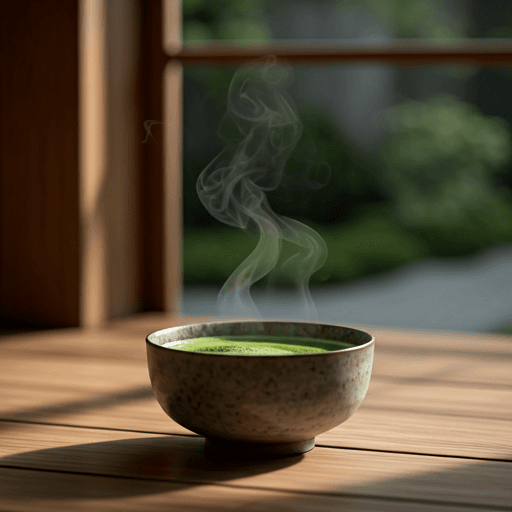
The short answer to how to make iced white tea is simple: brew white tea — the least-processed true tea, all soft downy buds and young leaves — gently in cooler water so it stays pale, sweet and delicate, then chill it and serve it over plenty of ice, plain or with a touch of honey, lemon or fruit. Because the flavour is so soft, white tea also takes beautifully to cold-brewing in the fridge, which draws out its natural sweetness without a hint of harshness. Below are both methods, with amounts, timings and a quick comparison table.
What iced white tea is (and how it tastes)
Iced white tea is exactly what it sounds like: white tea brewed, chilled and poured over ice. What makes it special is the leaf. White tea is the most lightly handled of the true teas, so a good glass is pale gold, softly sweet and gentle, with faint notes of melon, honey and fresh-cut hay and just a whisper of floral character. There is very little of the brisk, tannic edge you get from black tea, which is exactly why it makes such a refreshing, easy-drinking cold cup.
Because it is so subtle, an iced white tea rewards a light hand. Over-brew it or drown it in sugar and you lose the delicate flavour that made it worth reaching for. Treat it kindly and you get one of the most graceful cold drinks in the tea world.
Where white tea comes from
White tea traces back to Fujian province in China, where the classic styles were born. Silver Needle (Bai Hao Yin Zhen) is made only from plump, downy leaf buds, while Bai Mu Dan (White Peony) uses the bud plus the first young leaves, giving a little more body and colour. Both are simply withered and dried rather than rolled, pan-fired or oxidised the way other teas are — that minimal processing is what keeps the flavour so soft and pale. For the full story of the leaf and its styles, see our guide to what white tea is.
The key to how to make iced white tea
White tea is delicate, so the two things that matter most are temperature and generosity. Boiling water scorches the fine buds and pulls out bitterness, so brew cooler — around 75-85 C / 165-185 F — and give it a longer, gentle steep. Because the leaf is light and fluffy, use plenty of it; a stingy amount gives a thin, watery glass. That combination of cooler water, unhurried steeping and a generous scoop is what keeps the tea pale, sweet and aromatic instead of flat.
This gentleness is also why cold-brewing is such a natural fit for white tea. Steeping in cold water in the fridge coaxes out sweetness and body while leaving harsh tannins behind, so a cold-brewed glass tends to be even smoother and rounder. If cold-brewing is new to you, our overview of cold-brew tea covers the technique across tea types. For the traditional hot cup rather than the iced serve, our guide on how to brew white tea goes deeper on the mug.
What you need
This makes roughly a small pitcher — about four glasses over ice. Scale it up or down keeping the same generous leaf-to-water ratio.
- Water: about 4 cups (roughly 1 litre), brought to a boil and cooled to about 80 C / 175 F for the hot method, or plain cold filtered water for cold brew.
- White tea: about 3-4 tablespoons of loose white tea, or 4-5 white tea bags. Be generous — white leaf is light, so use more than you would for black tea.
- Ice: plenty of it. A glass should be packed, not sprinkled.
- Optional: a little honey or simple syrup, a slice of lemon, or a slice of ripe peach.
Method 1: Hot-brew then chill
This is the faster route and gives a bright, aromatic glass. The trick is to brew cool and gentle so the delicate leaf never turns bitter.
- Boil fresh water, then let it settle for a minute or two to reach about 75-85 C / 165-185 F. It should be steaming, not roaring.
- Add your loose white tea or bags to a heatproof jug and pour the cooled water over.
- Steep gently for 4-7 minutes. White tea can take a longer steep than green without turning harsh, so taste toward the later end if you want more body.
- Strain out the leaves or lift out the bags. If you want it sweet, stir in a little honey or simple syrup now, while the tea is warm and it dissolves easily.
- Let the tea cool to room temperature, then cover and refrigerate until cold. Pour over a glass packed with ice and add a slice of lemon or peach if you like.
For a glass right now, you can also brew a touch stronger and pour the warm tea straight over lots of ice — the melting ice chills and lightly dilutes it in one move. This is the same logic behind our broader guide on how to make iced tea.
Method 2: Fridge cold brew
Cold-brewing skips heat entirely and gives the smoothest, sweetest white tea iced tea of all. It takes patience but almost no effort.
- Add the same generous amount of white tea to a jug of cold, filtered water.
- Cover and refrigerate. Steep for 6-12 hours — around 6-8 hours gives a light, elegant glass, while a longer soak builds more sweetness and body.
- Strain out the leaves. That is it: no concentrate to dilute, so pour straight over ice and drink as is.
Cold brew is forgiving — leave it a little long and it stays mellow rather than bitter, because the cold water never extracts the harsh compounds that hot water would.
Hot-brew vs cold brew compared
| Method | Time | Taste | Best for |
|---|---|---|---|
| Hot-brew then chill | Minutes to brew, plus chilling time | Bright, aromatic, a touch more body; needs care not to over-steep | A glass sooner, when you want the floral aroma to lead |
| Fridge cold brew | 6-12 hours in the fridge | Smoothest and naturally sweetest, very low bitterness | Make-ahead pitchers and the softest, roundest glass |
Storage, make-ahead and food safety
Iced white tea is easy to make ahead as a covered pitcher. Keep it in the fridge and it is best enjoyed within about 2-3 days; white teas are freshest within the first day or two, so brew only what you will drink. If you have added fruit slices, honey or lemon, they will fade faster, so taste before serving an older batch.
The one food-safety point that matters: always either hot-brew and then chill, or cold-brew in the refrigerator. Do not leave tea to steep in warm water at room temperature for hours, because lukewarm water sitting out is a place where bacteria can grow. Brew it properly hot or properly cold, keep the finished tea covered and cold, and you are set. Responses vary and this is general food-safety guidance, not medical advice.
Serving ideas
White tea is at its best when you let it speak for itself. Try these, keeping every addition light so you do not bury the flavour:
- Plain over ice. The purest way to taste that pale, honeyed character.
- A slice of fruit. Ripe peach or a thin round of lemon flatters white tea without overpowering it. A few berries work too.
- A whisper of sweetness. A small drizzle of honey or simple syrup is plenty. Start with less than you think you need.
- Fresh herbs. A sprig of mint or a slice of cucumber makes it feel garden-fresh.
Caffeine and a light safety note
White tea is a true tea, made from the tea plant, so it does contain caffeine — though usually gently, and the exact amount varies with the leaf and how long you steep. Cold-brewing tends to pull a little less caffeine than a hot brew, which is one more reason a cold-steeped glass feels so easy-going. If you are sensitive to caffeine, brew on the lighter side or enjoy it earlier in the day.
A couple of practical notes to close: use only edible, food-grade garnishes, and never give honey to infants under 12 months. Everything here is about taste and food safety rather than health claims — responses vary, and this is not medical advice. With a generous scoop of leaf, cooler water and a little patience, iced white tea is one of the most graceful cold drinks you can pour. Brew a pitcher, keep it cold, and enjoy it gently.