
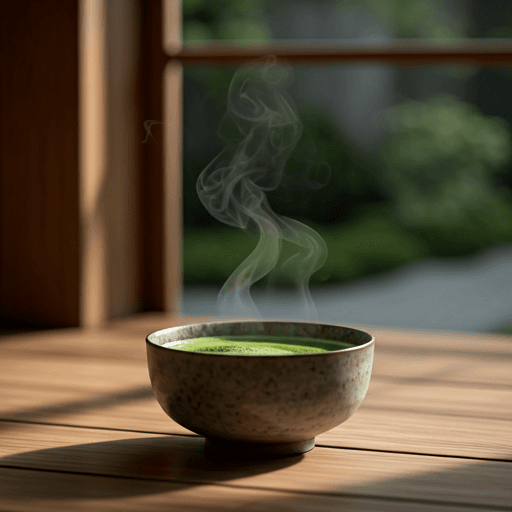
Learning how to brew white tea comes down to one gentle rule: use cooler water (about 75-85 C / 170-185 F), a generous amount of loose leaf, and a longer, patient steep of 4-7 minutes. Because white tea is the least processed of all true teas — the young leaves and buds are simply withered and dried — it is remarkably forgiving of a long steep yet easily scorched by a rolling boil. This step-by-step guide walks you through water, leaf, time, and vessel, one at a time, so every cup comes out soft, sweet, and delicate.
If you already make green tea, you are most of the way there: the principles are the same, only slower and more patient. And if white tea is new to you, its naturally low bitterness makes it one of the most beginner-friendly leaves to get right. For the background on where it sits among the teas, see our guide to what white tea is.
How to brew white tea, step by step
The whole method fits into one line: cooler water, more leaf, longer time. White tea has very little that rushes out of the leaf, so you coax the flavour out slowly rather than forcing it fast and hot. Here is the short version before we get into the detail of each step.
| Step | Guideline |
|---|---|
| Water temperature | ~75-85 C / 170-185 F — hot, but never a rolling boil |
| Leaf amount | Generous: roughly 2-3 g (a heaped tablespoon of the fluffy leaf) per 150-200 ml |
| First steep time | 4-7 minutes; taste at 4 and decide from there |
| Vessel | Glass pot, gaiwan, or any pot that lets the buds unfurl and float |
| Re-steeps | 3-5 or more infusions; add roughly 30-60 seconds each round |
| Iced / cold brew | Cold water in the fridge for 6-12 hours — no heat needed |
Step 1: Start with cooler water
Getting the white tea water temperature right is the single most important thing. White tea is delicate, so treat it like green tea: heat your water to roughly 75-85 C (170-185 F), never a hard, rolling boil. Water that is too hot scorches the tender buds, stripping out the soft, sweet notes and leaving a flat, papery cup.
No thermometer? Two easy fixes. Either boil the kettle and let it stand, uncovered, for three to five minutes before pouring, or boil it and add a small splash of cool water. As a rough rule, the more buds a tea contains, the cooler you want the water. All-bud teas like silver needle sit at the lower end of the range, while leafier styles such as bai mu dan (white peony) happily take the warmer end.
Step 2: Use more leaf than you expect
Whole white leaves and buds are fluffy and feather-light, so a small weight takes up a surprising amount of space. That fools a lot of people into under-dosing. When you are brewing white tea, be generous: aim for about 2-3 grams — a heaped tablespoon of the airy leaf — per 150-200 ml cup. It will look like a lot of volume in the pot, but it weighs almost nothing.
Skimp on the leaf and the result is thin and watery no matter how long you steep. A fuller measure gives the cup body and a rounder sweetness. If you are working with a kitchen scale, weigh it once or twice to learn what the right volume looks like, then you can eyeball it forever after.
Step 3: Give it a longer, patient steep
White tea steep time runs longer than most people assume: 4 to 7 minutes for the first infusion. Because the leaf is low in the tannins that turn other teas harsh, it rarely goes bitter even if you forget it for a while, which makes it wonderfully forgiving. That gives you room to experiment.
Start by tasting at the four-minute mark. If the cup feels light or thin, let it go another minute or two; if it is already sweet and full, pour it off. Cooler water plus a longer soak is the classic white-tea trade-off — you are trading speed for gentleness. Over time you will settle on your own sweet spot within that window.
Step 4: Choose a vessel that shows off the leaf
Half the pleasure of white tea is watching it open. A clear glass pot or a gaiwan (a lidded Chinese brewing bowl) lets you see the buds slowly unfurl and stand up in the water, which also tells you when things are ready. A gaiwan is ideal if you like short, repeated steeps in the gongfu style; a glass teapot or a simple mug with an infuser is perfect for a relaxed Western-style brew.
The core technique — measure, pour, time, strain — is the same one you would use for any leaf, so if you want the general mechanics, our walkthrough on how to brew loose-leaf tea covers the fundamentals that apply here too. Whatever you use, give the leaf room to move; cramming it into a tiny basket mutes the flavour.
Step 5: Re-steep, again and again
Do not throw the leaves away after one cup. White tea re-steeps beautifully — you can usually get three to five infusions, and often more, from a single measure. Each round tastes a little different: the first is soft and floral, the middle steeps often the sweetest and most rounded, the later ones lighter and cleaner.
The trick is to lengthen each subsequent steep a touch, adding roughly 30 to 60 seconds per round to keep pulling flavour from the tiring leaf. This is where a generous dose pays off, and it makes good white tea quietly economical: one spoonful can carry a whole afternoon.
A quick note on white tea types
Which white tea you are brewing shifts the details slightly. Silver needle (bai hao yin zhen) is made entirely of downy buds and is the most delicate of all — keep the water at the cool end and enjoy its subtle, hay-and-melon sweetness; we go deep on it in the silver needle guide. Bai mu dan, or white peony, mixes buds with young leaves for a fuller, slightly bolder cup that tolerates marginally hotter water. Shou mei and other leafier grades are bolder still.
If you are weighing white tea against your usual green, the white tea vs green tea comparison lays out how they differ in flavour, caffeine, and processing. As a light general note, white tea does contain some caffeine, though amounts vary by leaf, dose, and steep — responses vary from person to person, and this is not medical advice.
Cold-brew and iced white tea
White tea makes an exceptional cold brew, and it could not be simpler. Add your generous scoop of leaf to a jug of cold, filtered water, cover it, and leave it in the fridge for 6 to 12 hours. The slow, cold extraction pulls out sweetness and floral notes while leaving nearly all the bitterness behind, so the result is clean, soft, and refreshing — no heat required.
Prefer something quicker? Brew a hot batch a little stronger than usual, then pour it straight over a glass of ice; the melt dilutes it back to balance. Either way, keep it unsweetened first and taste before you reach for honey — good white tea is often sweet enough on its own.
The takeaway
Cooler water, more leaf, longer time, and a willingness to re-steep — that is genuinely all there is to how to make white tea worth savouring. It is one of the most patient and rewarding leaves in the cupboard: hard to ruin, generous over many infusions, and quietly lovely whether hot or iced. Brew a pot, watch the buds rise, and let it take its time.