
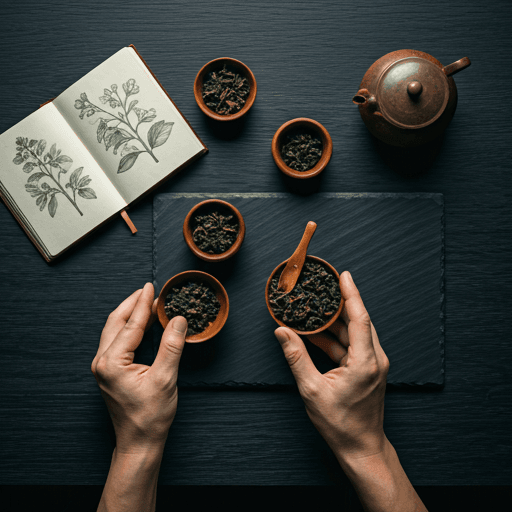
How to make iced sencha: brew Japanese sencha green tea in cool water (about 60-70 C / 140-160 F) so it stays sweet and grassy instead of turning bitter, then serve it cold over a glass of ice. You can do this two ways. Flash-chill it by brewing a strong, cool-ish batch and pouring it straight over ice, or cold-brew it in the fridge for a few hours. Both give you a fresh, clean, faintly savoury glass with no astringency.
Sencha is Japan's everyday steamed green tea, and cold, unsweetened green tea is a genuine summer staple there. Iced sencha keeps that character intact: it is meant to taste of the leaf, not of sugar. This guide walks through both methods, the ratios, a quick comparison table, and how to keep the tea fresh once it is made.
What iced sencha is
Iced sencha is simply sencha green tea brewed and served cold over ice. The flavour is fresh and grassy, with a savoury umami depth and a gentle seaweed-sweet finish, all held together by a clean, vegetal brightness. Chilling that profile makes it especially thirst-quenching: the cold plays up the sweetness and tamps down any edge, so the cup reads smooth and rounded rather than sharp.
Sencha is Japan's most popular green tea, and cold-steeped green tea, known as mizudashi (literally water-extracted), is a warm-weather ritual there, poured chilled from the fridge and sipped unsweetened. If you want the full background on the leaf itself, our companion piece on what sencha green tea is covers grades, processing, and how it differs from other greens. Here we stay focused on the iced serve.
How to make iced sencha: the key technique
The single most important thing about learning how to make iced sencha well is water temperature. Sencha is delicate, and boiling water strips out harsh, astringent notes that overwhelm the sweetness. The fix is simple: use cooler water and a short steep, or skip heat almost entirely and cold-brew.
As a rule of thumb, the colder the water, the sweeter and more umami the cup, and the less bitterness and caffeine it pulls. Hot water is fast but needs a careful hand; cold water is slow but forgiving and hard to over-extract. Because sencha's flavour is the whole point, it is traditionally served unsweetened so the leaf shows through. You can add a light sweetener or a twist of citrus if you like, but taste it plain first.
What you will need
- About 4 cups (1 L / 1000 ml) fresh water
- 2-3 tbsp (roughly 10-12 g) loose-leaf sencha, or 4 sencha tea bags
- A large glass or pitcher and plenty of ice
- Optional: a light sweetener, or a slice of lemon or yuzu
Loose leaf gives the fullest flavour, but good sencha bags work well too. If you brew loose, a fine strainer or a teapot with a built-in filter keeps stray leaf out of the glass.
Method 1: flash-chill (hot-brew over ice)
This is the quick route, and it locks in sencha's bright colour and fresh aroma by cooling the tea the instant it is brewed.
- Fill a serving glass to the top with ice and set it aside. The ice does double duty here: it chills the tea and dilutes the strong brew to drinking strength.
- Heat your water and let it cool to about 70 C / 160 F. If you do not have a thermometer, bring water just under a boil, then let it sit for 3-4 minutes, or pour it once between two vessels to shed heat.
- Use the full 10-12 g of leaf (or 4 bags) for roughly 2 cups (500 ml) of hot water, because the ice will melt and thin it. Brewing strong is what keeps flash-chilled tea from tasting watery.
- Steep for just 1-2 minutes. Sencha releases its flavour fast in warm water, and a short steep keeps it sweet rather than astringent.
- Immediately pour the hot brew over the glass of ice. The rapid chill sets the fresh green colour and traps the aroma. Stir, taste, and add more ice or a splash of cold water if it is too strong.
Flash-chilling is ideal when you want a glass in minutes. Because it uses hot water, it also extracts a touch more caffeine and a slightly bolder, brisker flavour than the cold-brew route.
Method 2: fridge cold-brew (mizudashi)
Cold-brewing is the hands-off, forgiving method and the one that yields the sweetest, most umami-forward glass. It steeps the leaf in cold water in the refrigerator, never at room temperature.
- Add the full 10-12 g of loose sencha (or 4 bags) to a pitcher or bottle.
- Pour in about 4 cups (1 L) of cold, fresh water.
- Cover and refrigerate for 2-4 hours. Shorter for a lighter cup, longer for a fuller one; sencha is hard to over-extract in cold water, so there is a wide safe window.
- Strain out the leaf (or lift out the bags) so the tea does not keep steeping and turn heavy.
- Serve over ice, or chilled straight from the fridge. Cold-brew is naturally smooth, so it rarely needs dilution.
Our guide to cold-brewing green tea goes deeper on cold-steeping technique across different greens if you want to fine-tune ratios and times. The base iced-tea framework, including pitcher sizing and general chilling tips, lives in our how to make iced tea primer.
Hot-brew over ice vs cold-brew mizudashi
| Factor | Flash-chill (hot over ice) | Cold-brew (mizudashi) |
|---|---|---|
| Speed | Ready in minutes | 2-4 hours in the fridge |
| Flavour | Brighter, brisker, more aromatic | Sweeter, rounder, more umami, less bitter |
| Caffeine | Slightly higher (hot water pulls more) | Slightly lower (cold pulls a bit less) |
| Best for | A fast single glass, on demand | A make-ahead pitcher, smoothest cup |
Storage and make-ahead
Keep finished iced sencha covered in the refrigerator and drink it while it is fresh. Green tea fades quickly, so it is at its best the same day and reasonable through about 2 days; after that the bright, grassy character dulls and can turn flat. Make cold-brew ahead the night before for a ready pitcher, but plan to finish it within that window.
On food safety, the key point is temperature. Always either hot-brew and then chill, or cold-brew in the refrigerator. Do not leave tea to steep in warm water at room temperature for hours, because warm water sitting out can let bacteria grow. Straining the leaf out once brewing is done and keeping the pitcher covered and cold is all it takes to stay on the safe side.
How to serve iced sencha
Serve it plain in a clear glass so you can see the pale jade colour, which is half the pleasure. A twist of lemon or a slice of yuzu adds a fragrant citrus lift without covering the tea, and a very light sweetener is fine if you prefer it, though most people who enjoy sencha take it unsweetened. If you are sweetening for others, note that honey should never be given to infants under 12 months. For the hot version of this leaf and more on cooler-water brewing, see how to make green tea.
A note on caffeine and wellness
Be honest with yourself about caffeine: sencha iced tea is a real green tea, so it contains caffeine. Cold-brewing pulls a little less than a hot brew, and a shorter, cooler steep also draws out somewhat less, but neither method makes it caffeine-free. If you are sensitive to caffeine, a shorter cold-brew or a smaller serving is the practical lever.
Beyond that, keep any wellness talk light: iced sencha is a refreshing, low-fuss way to enjoy green tea, and that is reason enough. Responses to caffeine and to any food or drink vary from person to person, and this is not medical advice. Brew it cold or hot-then-chilled, keep it refrigerated, and enjoy your iced sencha green tea while it is fresh.