
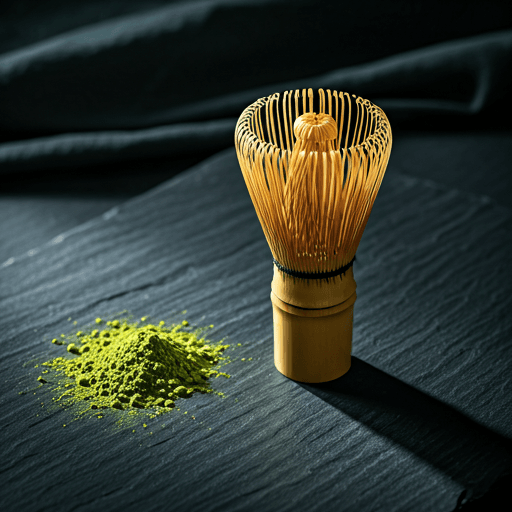
Cold brew green tea is simply green tea steeped slowly in cold or room-temperature water for several hours instead of a quick hot pour. That patient, low-temperature extraction is the whole trick: it pulls out a smoother, sweeter, far less bitter cup, because cold water draws out fewer of the harsh tannins and a little less caffeine than a hot steep. The result is a naturally mellow, refreshing green tea with almost no astringency, and it is one of the easiest drinks you can make at home.
If you have ever brewed green tea with water that was slightly too hot and ended up with a bitter, grassy, mouth-drying cup, cold brewing is the fix. You trade a few minutes of speed for hours of gentleness, and the flavor rewards you for waiting.
What cold brew green tea is and why it is sweeter
The difference between a hot cup and a cold-brewed one comes down to how temperature changes what dissolves out of the leaf. Hot water is aggressive. It quickly extracts caffeine and tannins (the astringent, sometimes bitter compounds called catechins and polyphenols) alongside the sweeter, more delicate flavor molecules. Push the temperature or the time too far and the bitter notes take over. Cold water works far more slowly and selectively, coaxing out the gentle, sweet, savory notes while leaving many of the harsher tannins behind.
Because green tea is unoxidized and its leaves are delicate, it is especially sensitive to heat, which is exactly why a cold, slow steep suits it so well. The general principles of cold-steeping any tea are covered in our guide to cold brew tea; here the focus is on getting the best out of green tea specifically. For the hot-water contrast, see how to make green tea and the ideal water temperature for tea.
How to make cold brew green tea: the simple method
You do not need special equipment or a precise recipe. Here is the simple method, start to finish.
- Add your green tea to a jar or bottle. As a loose starting point, use roughly one tablespoon of loose leaf, or one to two tea bags, per about 500 ml (roughly two cups) of water. Adjust to taste on your next batch.
- Pour in cold or room-temperature filtered water. Give it a gentle stir or a light shake so the leaves are wetted through.
- Cover the jar and refrigerate. Let it steep for roughly four to eight hours, or overnight if that is easier.
- Strain out the leaves or lift out the bags. Pour over ice, and it is ready to drink.
That is genuinely all there is to it. Because the water is cold, there is very little risk of over-steeping into bitterness, so the timing is forgiving. Taste as you go and stop when you like it.
Any clean vessel works, from a mason jar to a French press to an empty bottle. A French press is especially handy because the mesh plunger doubles as a strainer. If you are using tea bags, you can even brew straight in the glass you plan to drink from and simply remove the bags once it tastes right.
Leaf and water tips
Almost any green tea works. A fresh Japanese sencha gives a bright, grassy, slightly sweet cold brew; a Chinese green such as longjing (dragon well) leans nutty and mellow; genmaicha adds a toasty, popcorn-like note. Both loose leaf and bags are fine. Loose leaf usually gives you a rounder, fuller flavor and lets the leaves unfurl, while good-quality bags are convenient and still make a lovely cup.
Water matters more than people expect. Since the tea is barely diluted by anything else, filtered or spring water gives a cleaner-tasting result than heavily chlorinated tap water. Keep the jar covered while it sits in the fridge so the tea does not pick up other food smells, and always chill it rather than leaving it out at room temperature for long stretches.
Steep time and strength
Strength is entirely in your hands, and it is controlled mostly by three things: how long you steep, how much leaf you use, and how cold the water is. None of these numbers are strict rules, so treat them as starting points and adjust to your own taste.
| Variable | Turn it up | Effect on your cup |
|---|---|---|
| Steep time | Longer (say 8 to 12 hours instead of 4) | Stronger and deeper, with more caffeine drawn out |
| Leaf amount | More leaf per volume of water | Bolder and fuller-bodied, reaches strength faster |
| Water temperature | Cooler (fridge rather than room temperature) | Slower, gentler extraction and a sweeter, smoother cup |
In short, a longer steep or more leaf makes a stronger cup, while a colder steep makes a gentler, sweeter one. If your brew comes out too weak, add more leaf or steep longer next time rather than reaching for hot water. Cold-brewed green tea leaves often have life left in them, so you can usually re-steep the same leaves for a second, lighter batch, though the flavor will be softer than the first.
Flavor and serving
The signature of a good cold brew green tea is how smooth it is: clean, lightly sweet, gently vegetal or nutty, with none of the drying astringency a rushed hot cup can have. Serve it cold, poured over plenty of ice, ideally in a glass so you can enjoy the pale green-gold color.
It takes to simple additions beautifully. A squeeze of lemon brightens it and lifts the aromatics; a few fresh mint leaves make it summery; a thin slice of cucumber or ginger adds a savory edge. It usually needs no sweetener at all, which is part of the appeal, but a touch of honey or a splash of fruit juice works if you like it sweeter. This is iced green tea cold brew at its best, and it makes a large batch that is easy to keep on hand for a hot afternoon.
A note on caffeine
Cold brewing tends to extract somewhat less caffeine than a hot steep of the same leaf, because caffeine dissolves more readily in hot water. That said, cold-brewed green tea is not caffeine-free, and the actual amount varies a lot with the tea, how much leaf you use and how long you steep. A long, leaf-heavy overnight brew will carry more than a quick, light one. If you are keeping an eye on your intake, lean toward a shorter steep and see our overview of green tea caffeine content for the fuller picture. Responses to caffeine vary from person to person, and if caffeine, sleep, pregnancy, breastfeeding or a medication is a concern for you, it is best to check with your own healthcare provider. This is general information, not medical advice.
Storing your cold brew green tea
Once it is strained, keep your cold brew green tea in the fridge and drink it within about a day or two for the freshest taste. Leaving the leaves in for far longer than you intended will not usually make it unsafe, but it can turn the flavor flat or overly tannic, so straining it once it tastes right is a good habit. Make a batch in the evening and you will have a smooth, refreshing jug waiting for you the next morning.