
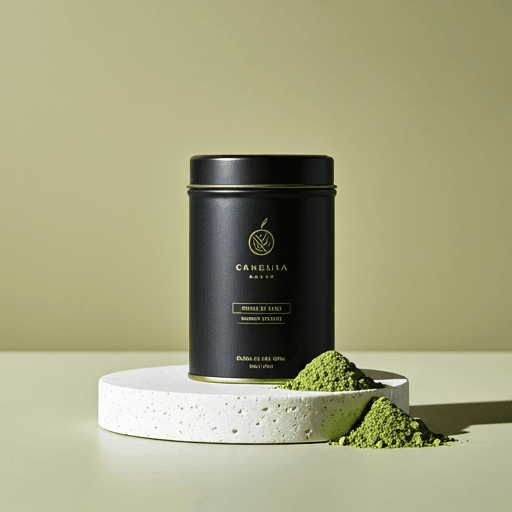
Learning how to make heather tea is wonderfully simple: steep about 1 to 2 teaspoons of dried heather flowers in just-off-boil water for 4 to 7 minutes, then strain. Heather tea is a delicate, gently sweet, honey-and-wildflower-scented, caffeine-free infusion made from the small purple-pink blossoms of heather (Calluna vulgaris), the low evergreen shrub that carpets the moors and hills of Scotland and northern Europe. Brewed with care, the water turns pale gold with a soft, floral, honeyed aroma.
Because the flowers are tiny and fragile, the whole trick is gentleness: water a touch below the boil and a steep that stops before the cup turns bitter. This guide walks through the flavour, where the flowers come from, a clear ingredients list, ordered steps, and a quick reference table so you can get a lovely cup on the first try.
What heather tea is, and why the moors made it famous
Heather tea belongs to the family of caffeine-free flower and wildflower infusions, alongside cups like chamomile tea and elderflower tea. Like those, it is a tisane rather than a true tea leaf, so it carries no caffeine and leans floral and soft rather than tannic. If you want the wider background on what counts as a tisane and how these plant infusions work, that is covered in our guide to what herbal tea is.
The flavour is quiet and pretty: mildly sweet, faintly honeyed, with a light meadow-flower character and almost no bitterness when brewed gently. It is the kind of cup that tastes like the place it comes from. Across the moorlands and hills of Scotland and northern Europe, heather blooms in late summer and blushes whole hillsides purple-pink. Those same blossoms feed vast numbers of moorland bees, which turn the nectar into the thick, aromatic, amber preserve known as heather honey, a prized single-flower honey with a jelly-like texture. Sipping heather tea with a spoon of that honey is one of the most fitting pairings you can make, echoing the flower's own sweetness. The plant has a long romantic heritage in moorland folklore and song, which is part of why a simple cup of it feels so evocative.
How to make heather tea
The single most important point in how to make heather tea is water temperature. The flowers are delicate, so boiling water can scorch their soft aromatics and drag out a papery, faintly bitter edge. Aim for water just off the boil, around 90 to 95C (about 194 to 203F). Cover the cup or pot while it steeps to trap the floral aroma, and keep the steep on the shorter side. A little honey, ideally heather honey, rounds it out, and a small squeeze of lemon brightens it if you like.
What you will need
- About 1 to 2 teaspoons of dried heather flowers per cup (or a small pinch of the flowering tips)
- Fresh water heated to roughly 90 to 95C (194 to 203F), just off the boil
- A cup, teapot, or small infuser, plus a fine strainer
- Optional: a little honey (heather honey is a natural match) and a squeeze of lemon
Use dried culinary heather flowers sold for infusions, or correctly identified, unsprayed blossoms gathered from clean ground well away from roadsides. This is a light, occasional cup, so 1 to 2 teaspoons per cup is plenty; there is no need to over-pack the pot.
Step by step
- Place the dried heather flowers in your cup, pot, or infuser.
- Heat fresh water to just off the boil, about 90 to 95C. If your kettle only does a full boil, let it sit for 30 to 60 seconds first.
- Pour the hot water over the flowers.
- Cover the cup or pot to hold in the delicate floral aroma.
- Steep gently for 4 to 7 minutes. Start at 4 minutes and taste; stop as soon as the colour turns pale gold and the aroma is soft and honeyed.
- Strain out the flowers so they do not keep steeping.
- Add a little honey if you like, and a squeeze of lemon to brighten. Sip warm.
One thing to watch: a longer steep does not make heather tea stronger in a good way. Pushed past about 7 minutes, or brewed with fully boiling water, it can turn faintly bitter and lose its gentle sweetness. Keep it light, and if you want more presence in the cup, add a pinch more flower rather than a longer steep. For more on getting flower and leaf tisanes right in general, see our overview of how to brew herbal tea.
Flower amount, steep time, and what to expect
| Dried heather flowers (per cup) | Steep time at 90 to 95C | What to expect |
|---|---|---|
| 1 tsp (light) | 4 to 5 minutes | Very delicate, pale gold, softly floral and honeyed |
| 1.5 tsp (standard) | 5 to 6 minutes | Balanced everyday cup, gentle sweetness, clear meadow aroma |
| 2 tsp (fuller) | 6 to 7 minutes | Fuller wildflower character; do not push longer or it may turn bitter |
Getting the flowers right: identification and sourcing
The safe, flavourful part for this cup is the small dried flower and the tender flowering tips of common heather, Calluna vulgaris. The easiest route is to buy dried heather flowers labelled for culinary or tea use, so you know exactly what you have. If you gather your own, correct identification matters: pick only heather you can positively confirm, choose plants growing on clean, unsprayed ground far from traffic and treated fields, and take just the fresh flowering tips. Shake or brush off any insects, since these blossoms are busy with bees, then dry the flowers fully before storing. Because the blooms are so light and airy, they infuse quickly, which is another reason to keep the steep gentle.
Storing dried heather flowers
Dried heather flowers keep best in an airtight jar or tin, away from light, heat, and moisture. A cupboard shelf is ideal; a clear jar left on a sunny counter will fade both the colour and the aroma. Kept dry and sealed, the flowers hold their delicate scent well for many months, though like most floral tisanes they are at their most fragrant within roughly a year. Trust your nose: if the flowers still smell softly sweet and floral, they will make a good cup; if the aroma has gone flat and dusty, it is time to refresh your supply. Always store them fully dry, as any trapped moisture can spoil dried flowers.
A light note on enjoying heather tea
Heather tea is best enjoyed simply as a pleasant, caffeine-free cup rather than for any specific effect. It has a gentle folk heritage on the moorlands, but responses vary from person to person, and this is not medical advice. Keep it an occasional cup, use flowers you have correctly identified and sourced from clean ground, and if you are pregnant or breastfeeding, or taking any medication, check with your own healthcare provider before adding a new botanical infusion to your routine. If you ever feel unwell after any new herbal tea, simply stop and seek advice. Finish with a spoon of honey if you like, keeping in mind that honey should never be given to infants under 12 months. Enjoyed this way, heather tea is a quiet, honeyed little ritual that carries a bit of the moorland in every cup.