
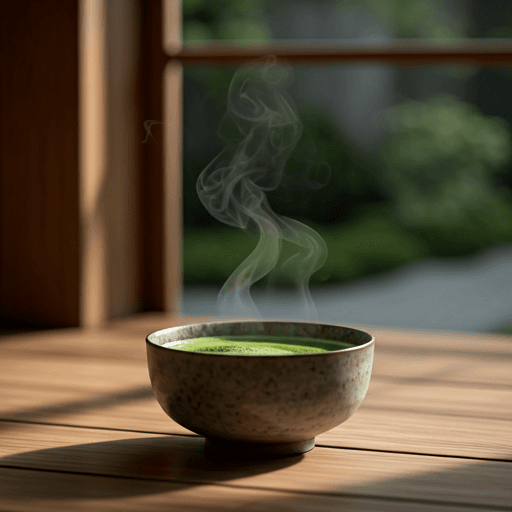
Want to know how to make gorse tea? Gorse tea is a light, gently sweet, caffeine-free infusion made by steeping the bright-yellow blossoms of gorse (Ulex europaeus) — the spiny evergreen shrub of Atlantic and Western Europe's heaths and coasts, also called furze or whin — in just-off-boil water for three to five minutes, until the liquid turns pale gold and carries a soft coconut aroma. The scent is the whole reward here, so pick clean flowers, steep briefly, and sip it warm.
This is a simple herbal tea in the truest sense: no leaves from the tea plant, no caffeine, just petals and hot water. Below is exactly how to gather, brew, and store it, plus the one rule that matters most — you use the flowers only.
What is gorse tea?
Gorse tea, sometimes called furze tea after one of the plant's old country names, comes from a dense, thorny evergreen shrub that blazes with coconut-scented yellow flowers across European heathland, moor, and coastal cliff. There is an old country saying that "when gorse is out of blossom, kissing is out of fashion," a wink at the fact that some gorse is nearly always in flower somewhere through the year, with a big flush in spring. Country folk have long gathered the blossoms for wild flower wines, cordials, and syrups, and a cup of the tea sits comfortably in that same tradition of using what the hedgerow gives.
In the cup, gorse flower tea is delicate. Expect a warm coconut-and-vanilla note, a whisper of honey, and a faintly green, pea-like floral edge underneath — gorse belongs to the pea and bean family, so that hint makes sense. It pours pale gold and softly aromatic, and it is best enjoyed as a fragrant novelty rather than a bold, tannic brew. If you like the airy character of elderflower tea or the soft apple-and-hay calm of chamomile tea, gorse will feel like a wilder cousin from the same floral corner of the shelf.
Use only the flowers
Here is the key point, stated plainly: for gorse tea you use only the flowers. The bright, coconut-scented blossoms are the edible, enjoyable part. Do not brew the spiny stems, the green seed pods, or the seeds — leave all of those on the plant. When you pinch a flower, you will often pull a little of the small green calyx behind it, which is fine, but you are aiming for a handful of clean petals and blooms, not woody or thorny material.
Working with gorse means working around serious spines, so long sleeves and a careful pinch-and-pull at the base of each flower will save your fingertips. Gather into a wide basket or tub rather than crushing the blooms in a pocket, since the aroma you are after fades fast once the flowers are bruised or heated too hard.
Foraging and identifying gorse
Only ever brew flowers you have identified with confidence and that are safe to pick. Gorse (Ulex species) is distinctive: a knee-to-shoulder-height shrub armoured with sharp green spines, carrying pea-shaped golden-yellow flowers and giving off that unmistakable warm coconut smell on a sunny day. That scent, together with the vicious thorns, makes a good sanity check when you are learning the plant.
Pick from clean, unsprayed bushes well away from busy roadsides, dog-walking verges, and any ground that may have been treated with weedkiller. Take a light hand — gather only a few flowers from each shrub, leave plenty for the bees, and follow any local rules on foraging. Give the blooms a gentle shake to evict any insects before you head home, and if you are ever unsure of an identification, do not brew it.
How to make gorse tea, step by step
Once you know how to make gorse tea, the whole thing takes about five minutes. This gorse tea recipe works for a single mug or a small pot; simply scale the flowers and water together.
What you need
- About 1 to 2 tablespoons of fresh gorse flowers per cup, or 1 to 2 teaspoons of dried gorse flowers.
- Around 200 to 250 ml (roughly 7 to 8 oz) of water per cup, heated to about 90 to 95 C (195 to 205 F) — just off the boil.
- Optional: a little honey to sweeten, or a thin slice of lemon to lift the floral notes. (Never give honey to infants under 12 months.)
| Flowers per cup | Water temperature | Steep time |
|---|---|---|
| 1-2 tbsp fresh flowers | ~90-95 C (195-205 F) | 3-5 minutes |
| 1-2 tsp dried flowers | ~90-95 C (195-205 F) | 3-5 minutes |
- Rinse the flowers. Give the fresh blossoms a quick, gentle rinse in cool water and shake off any lingering insects or grit.
- Add them to your cup or pot. Drop the flowers straight in, or use an infuser or small strainer basket if you would rather keep the cup clear.
- Heat the water to just off the boil. Bring water to a boil, then let it settle for 30 to 60 seconds to reach roughly 90-95 C. Water at a rolling boil can scorch the delicate aroma.
- Pour and cover. Pour the hot water over the flowers and cover the cup or pot with a saucer or lid. Covering traps the coconut-scented steam so it settles back into the brew instead of drifting off.
- Steep 3 to 5 minutes. Taste at the three-minute mark. Because the aroma is the whole point, a short steep keeps it bright; a long steep mostly adds a faint green bitterness rather than more flavour.
- Strain and finish. Strain out the flowers, then sweeten lightly with honey or add a slice of lemon if you like. Sip it warm, or let it cool and pour it over ice for a pale-gold floral iced tea.
The single most important tip: keep the steep short and the water just off the boil. Gorse's charm lives in its fragrance, and both a violent boil and a marathon steep chase that fragrance away. For more on getting flower and leaf infusions right in general, see our guide on how to brew herbal tea.
Storing dried gorse flowers
Fresh gorse flowers are best used the day you pick them, while the aroma is at its peak. To keep a supply, dry them: spread the blossoms in a single layer on a tray or sheet of paper in a warm, airy, shaded spot, or use a dehydrator on a low setting, until they are papery and crisp. Drying in shade rather than bright sun helps hold on to both colour and scent.
Once fully dry, store the flowers in a clean, airtight jar away from light, heat, and moisture, and use them within about six to twelve months for the best aroma. Label the jar with the date you dried them. Dried flowers give a slightly softer, more hay-like cup than fresh, so you may want a touch more per mug.
Is gorse tea safe to drink?
Treat gorse tea as an occasional, aromatic novelty rather than an everyday brew, and stick to the flowers only. Any gentle, feel-good associations people attach to floral teas are best held lightly — responses vary from person to person, and this is not medical advice. There are no verified health benefits to claim here, and gorse tea is not a remedy for anything; enjoy it simply because it tastes and smells lovely.
A few sensible cautions: make sure you have correctly identified the plant, use only clean, unsprayed flowers, and skip the stems, pods, and seeds entirely. If you are pregnant or breastfeeding, taking any medication, or managing a health condition, check with your own healthcare provider before trying a new botanical infusion. Anyone with allergies to flowering plants or pollen should introduce it cautiously. When in doubt, leave it out.
Brewed with a little care, gorse tea is a lovely way to taste the heathland — a pale-gold, coconut-scented cup that captures a wild European flower in hot water. Pick clean, steep short, and drink it fresh.