
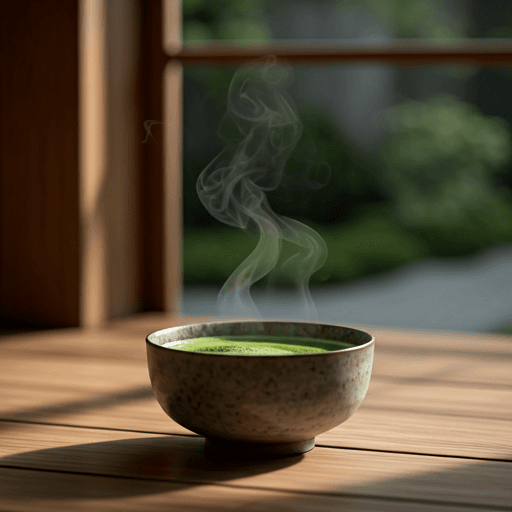
Learning how to make feverfew tea takes about ten minutes: steep roughly a teaspoon of dried feverfew leaves and flowers in just-off-boil water for five to eight minutes, strain, then sweeten to taste. Feverfew tea is a bitter, aromatic, caffeine-free infusion made from Tanacetum parthenium, a small white-flowered herb in the daisy family that has been grown in cottage gardens across Europe for centuries. Brewed correctly, it turns the water pale gold with a sharp, green, faintly medicinal edge.
Because that flavour is genuinely bitter, most people brew feverfew tea short, keep the herb measure light, and finish the cup with honey and a squeeze of lemon. Below is a simple, repeatable feverfew tea recipe, plus how to identify the plant, store it, and keep the drink gentle and occasional.
What Feverfew Tea Is
Feverfew tea is an herbal infusion, or tisane, made by steeping a plant other than the tea bush, so it carries no caffeine. If you want the full picture of how tisanes differ from true tea, our guide to what herbal tea is covers the basics. Here we will stay focused on the feverfew itself.
The plant, Tanacetum parthenium, is a hardy perennial with feathery, yellow-green leaves and clusters of small blooms that look like miniature daisies: white petals around a flat yellow centre. That family resemblance matters in the cup too. Feverfew belongs to the same Asteraceae clan as chamomile and yarrow, and it tastes a little like chamomile that has turned sharp and green: floral and aromatic at first, then distinctly bitter on the finish.
The name is a culture fact all by itself. "Feverfew" descends from older words tied to the plant's long folk use in European kitchen and physic gardens, where it was a familiar cottage-garden herb well before it became a garden-centre ornamental. Growers have valued its tidy mounds and long flowering season for generations, and a few leaves have traditionally been dried for winter tea.
Why Feverfew Tea Is So Bitter, and How to Tame It
Here is the key thing to understand before you brew: feverfew is bitter, and a heavy hand makes it unpleasant. The compounds that give the leaf its pungency come through quickly in hot water, so two small habits keep the cup drinkable.
- Go light on the herb. Start with about a teaspoon of dried feverfew per cup, or just a few fresh leaves, rather than piling it in. You can always steep a second, stronger cup once you know how your palate handles it.
- Sweeten and brighten. Honey rounds off the bitterness, and a squeeze of lemon lifts the green, herbaceous notes. A slice of fresh ginger or a little peppermint in the pot also softens the edge.
A shorter steep is also a gentler steep. Pull the leaf after five minutes for a mild, pale infusion, or leave it closer to eight for something stronger and more bitter.
Identifying and Sourcing Feverfew
If you grow your own, the single most important step is correct identification. Feverfew is easy to confuse with other daisy-family plants, so only pick from a plant you are certain of, ideally one you raised from labelled seed or bought as a named nursery plant. Harvest the leaves and flowers from clean, unsprayed ground, well away from roadsides and anything treated with garden chemicals, and rinse them before use.
If you would rather skip the guesswork, shop-bought dried feverfew is widely sold by herb suppliers as a loose dried herb or in tea bags. It gives you a consistent, correctly identified starting point, which is exactly what you want for a herb this bitter and this particular about who should drink it.
What You Need
This is a bare-bones feverfew leaf tea recipe. Amounts are per cup and easy to scale up for a small pot.
- About 1 teaspoon of dried feverfew (leaves and flowers), or 2 to 3 small fresh leaves
- 1 cup (about 240 ml) of fresh water, heated to roughly 90-95C / 195-205F
- Honey to taste (skip honey for anyone under 12 months old)
- A squeeze of lemon, optional
- Optional: a slice of ginger or a sprig of mint to mellow the bitterness
How to Make Feverfew Tea, Step by Step
- Measure the herb. Put about a teaspoon of dried feverfew, or a few fresh leaves, into a cup, tea infuser, or small teapot.
- Heat the water. Bring water just off the boil, to roughly 90-95C / 195-205F. It is fine to reach a rolling boil and then let it settle for about 30 seconds.
- Pour and cover. Pour the hot water over the herb and cover the cup with a saucer or lid. Covering keeps the aromatic oils in the cup instead of drifting off in the steam.
- Steep 5 to 8 minutes. Five minutes gives a mild, pale-gold cup; eight gives a stronger, more bitter one. Taste at five and decide.
- Strain. Lift out the infuser or pour the tea through a small strainer so no loose leaf ends up in the cup.
- Sweeten and sip. Stir in honey and lemon to taste, and drink it warm. Keep servings modest and occasional.
For more on technique that carries across every tisane, from water temperature to covering and timing, see our general guide to brewing herbal tea.
Feverfew Tea at a Glance
| Dried feverfew per cup | Steep time | What you get |
|---|---|---|
| 1 tsp (or 2-3 fresh leaves) | 5 minutes | Mild, pale gold, gentlest; best for a first taste |
| 1 tsp | 6-7 minutes | Balanced but clearly bitter; honey and lemon recommended |
| Slightly heaped tsp | 8 minutes | Strong and quite bitter; sweeten well and keep the pour small |
Storing Feverfew
Dried feverfew tea keeps best in an airtight jar or tin, away from light, heat, and moisture; a cupboard shelf is ideal, not a spot above the stove. Whole dried leaves and flowers hold their aroma longer than crushed ones, so store them loose and only break them up as you brew. Used well within a year, the herb stays fragrant; once it smells flat and hay-like it is past its best and worth replacing. If you dry your own, make sure the leaves are fully crisp before you jar them, since any trapped moisture invites mould.
Is Feverfew Tea Safe to Drink?
Feverfew is a potent botanical, so a few sensible cautions matter more here than with a mild herb. Responses vary from person to person, and none of this is medical advice; it is general information to help you drink it thoughtfully.
- Daisy-family allergies. Feverfew is in the Asteraceae (daisy) family. If you react to ragweed, daisies, marigolds, or chamomile, be cautious, as you may react to feverfew too.
- Fresh leaf can irritate the mouth. Chewing raw feverfew leaves is known to irritate the mouth and lips for some people; brewing and straining the tea avoids that direct contact.
- Not during pregnancy or breastfeeding. Feverfew is not considered suitable while pregnant or breastfeeding, so skip it entirely then.
- Keep it occasional. Treat feverfew tea as an occasional cup rather than an all-day drink, and keep servings small.
- Ask first if you take medication. If you are on any medication, blood thinners in particular, or have a health condition, check with your own healthcare provider before drinking it.
Made with a light hand and finished with honey, feverfew tea is an easy, old-fashioned garden infusion to keep in your rotation: bitter, aromatic, and best enjoyed now and then rather than every day.