
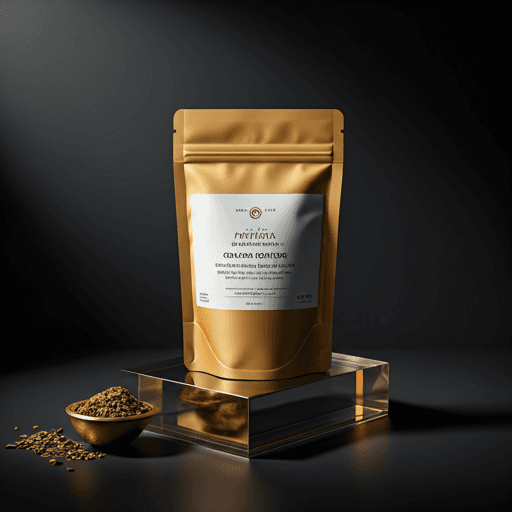
Here is how to make catnip tea: steep 1 to 2 teaspoons of dried catnip (Nepeta cataria, a member of the mint family and, yes, the same plant cats adore) in just-off-boil water for several minutes, kept covered, until the water turns pale gold-green with a soft, herbaceous, gently minty flavor. Strain, sweeten with a little honey and a squeeze of lemon, and sip it warm. Many people enjoy it as a mellow evening cup.
That is the whole method in a breath. Below is the longer version of this catnip tea recipe: what the drink actually tastes like, its long folk-tea history, the exact amounts, ordered steps, a chamomile bedtime blend to try, how to store the dried herb, and a light note on who might want to skip it.
What catnip tea is (and what it tastes like)
Catnip is a soft, gray-green perennial in the same broad family as peppermint, spearmint and lemon balm, and its leaves and flowering tops are what go into the cup. Brew them and you get a pale, gold-green infusion with a mellow, grassy-herbaceous character and a gentle minty coolness on the finish. It is softer and hayer than a bright peppermint tea, more like a light meadow-and-mint cup than a punchy one. That easygoing flavor is a big part of why Nepeta cataria tea has stayed a household favorite for so long.
Catnip has a genuinely long tradition as a folk tea across Europe and North America, where dried leaves were a common cupboard herb long before boxed tea bags existed. For centuries it was one of the everyday garden herbs people reached for when they wanted a warm, calming, caffeine-free cup in the evening, and it still turns up in herbal blends today. The friendly irony, of course, is that the very same herb that sends cats rolling and purring makes a quiet, relaxing drink for people. The compound that excites cats, nepetalactone, acts on them through smell in a way it simply does not on us, so there is nothing to worry about in your mug.
Because catnip is a herbal infusion rather than true tea from the Camellia sinensis plant, it is naturally caffeine-free, which is another reason it has long been an after-dinner pour. For the fuller primer on what counts as a tisane and how these leaf infusions differ from black or green tea, see our guide to what herbal tea is. For this recipe, use food-grade dried catnip sold for tea or tisanes rather than a product from the pet aisle, so you know it was grown and handled for people to drink.
What you'll need
The shopping list for catnip tea for humans is short, and most of it is probably in your kitchen already.
- About 1 to 2 teaspoons of dried catnip per cup (roughly 240 ml / 8 oz of water). Start with one teaspoon for a light cup and lean toward two for a fuller one.
- Fresh water, heated to about 90 to 95 C (194 to 203 F) — just off a full boil.
- Optional honey, which pairs nicely with catnip's soft, grassy sweetness. (Skip honey for infants under 12 months.)
- Optional lemon, a slice or a squeeze, to brighten and lift the cup.
- Optional partners: a spoon of dried chamomile flowers or a few fresh mint leaves to round it out, more on the chamomile blend below.
Gear is minimal: a cup or small teapot, a tea infuser or a fine strainer, and a lid or small saucer to cover the cup while it steeps. If you have fresh catnip from the garden, you can use it too — use about three times as much, since fresh leaves are mostly water.
How to make catnip tea, step by step
Start to finish this takes about ten minutes, most of it hands-off steeping time.
- Measure the catnip. Put 1 to 2 teaspoons of dried catnip into a cup or teapot, or into a tea infuser or strainer set over the cup.
- Heat the water. Bring fresh water to a boil, then let it settle for 20 to 30 seconds so it sits around 90 to 95 C. Water straight off a rolling boil can scorch delicate leaves and dull the flavor.
- Pour and cover. Pour the hot water over the catnip and immediately cover the cup or pot with a lid or saucer. Covering traps the volatile, gently minty aromatics that would otherwise drift off as steam.
- Steep 5 to 10 minutes. Let it steep, still covered, for 5 to 10 minutes. Five minutes gives a light, grassy cup; closer to ten pulls out a deeper, more herbaceous, slightly stronger infusion. Catnip rarely turns harshly bitter, but a shorter steep keeps it at its softest.
- Strain. Lift out the infuser or pour the tea through a fine strainer to catch the leaves, so the cup stays clean and smooth.
- Sweeten and serve. Taste, then stir in a little honey and add lemon if you like. Serve it warm — it is a natural fit for the end of the day.
The table below sums up the main choices at a glance. If you want the general mechanics of steeping leaves and flowers — water temperature, timing, straining and ratios — our guide on how to brew herbal tea goes deeper.
| Dried catnip per cup | Steep time | Note |
|---|---|---|
| 1 tsp | 5 minutes | Light, soft and grassy; the gentlest cup |
| 1.5 tsp | 6-8 minutes | Balanced, mellow and mildly minty |
| 2 tsp | 8-10 minutes | Fuller and more herbaceous, still smooth |
A catnip-and-chamomile bedtime blend
Catnip and chamomile are natural partners for a calming evening cup, and many people simply enjoy the way their flavors meet — catnip's soft mint against chamomile's honeyed, apple-like flowers. To make the blend, use about a teaspoon of dried catnip and a teaspoon of dried chamomile flowers per cup, then brew exactly as above: pour just-off-boil water over both, cover, and steep 5 to 10 minutes before straining. A little honey ties the two together beautifully. For the chamomile side on its own, see how to make chamomile tea, and if you want another gentle floral note in the mix, a small pinch of buds from our lavender tea guide rounds the blend out further. Keep the additions light so no single herb takes over.
Storing dried catnip
Dried catnip keeps its aroma best in an airtight jar or tin, away from heat, light and moisture — a cupboard shelf, not the windowsill above the stove. Kept that way, it holds good flavor for around six months to a year; you will know it is fading when a pinch no longer smells fragrant and minty. Buy or dry it in modest amounts so your supply turns over while it is still lively, and keep the lid tight between uses so the volatile oils that carry the flavor do not escape.
A light note on safety
Catnip is in the mint family and has been enjoyed as a mild, everyday tisane for generations, so for most people it is simply a pleasant, caffeine-free cup. A few practical points are still worth knowing. Catnip is traditionally avoided during pregnancy, so if you are pregnant it is best skipped. Responses to any herbal drink vary from person to person, and this is not medical advice, so if you are breastfeeding, thinking of offering it to a child, or taking any medication, check with your own healthcare provider before making it a regular habit. Keep any wellness expectations light: catnip has a long, gentle folk reputation as a soothing evening cup, and many people find it relaxing to sip, but treat it as a comforting drink to enjoy rather than a remedy. Made simply — a spoon of dried leaves, hot water, a cover and a few minutes — catnip tea is one of the easier and mellower herbal cups to make your own.