
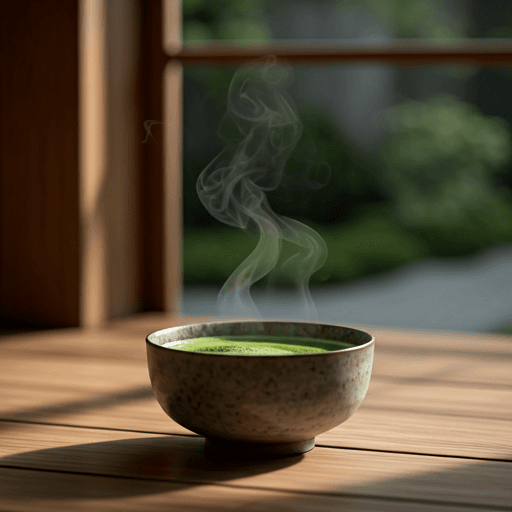
Want to know how to make calendula tea? Steep about 1 to 2 teaspoons of dried golden-orange calendula (pot marigold) petals in just-off-boil water, around 90 to 95C (194 to 203F), cover the cup, and let it sit for 5 to 8 minutes until the water turns a warm, sunny gold. Strain, sweeten to taste, and sip it warm or pour it over ice. Calendula tea is a mild, faintly bitter, slightly resinous-sweet, caffeine-free infusion made from the dried petals of Calendula officinalis — the bright orange-and-yellow, daisy-family flower long grown in European and Mediterranean kitchen gardens.
Below is the same calendula tea recipe with amounts, timings, a quick reference table, and the sourcing and safety notes worth knowing before you brew a cup.
What Calendula Tea Is
Calendula tea, also called pot marigold tea, is simply an infusion of dried calendula petals in hot water. The plant is the classic pot marigold, so named because for centuries cooks kept it in the kitchen garden and dropped its golden petals into pots of broth, rice and butter as a cheerful, peppery colouring and a humble garden alternative to saffron's golden tint. The petals also worked as a natural dye, tinting cloth and food a warm gold. That heritage runs deep through Mediterranean and European gardens, where the flower has been a familiar edible bloom for generations.
In the cup, calendula is gentle. The colour is its best feature: a clear, sunny amber-gold that looks like bottled sunshine. The flavour is soft and a touch bitter, with a faint resinous, honey-and-meadow note and a whisper of the peppery edge the petals carry. It is not a bold, aromatic tea like mint or a fruity one like hibiscus — it is quiet, floral and grassy. Because it is caffeine-free, it suits an afternoon or evening cup. For the wider background on flower and leaf infusions, see our guide to what herbal tea is.
One point of identification matters here: the true pot marigold, Calendula officinalis, is the edible flower used for tea. It is a different plant from the ornamental French and African marigolds (Tagetes) sold as bedding plants, which are grown for looks rather than the cup. When a recipe says calendula or pot marigold, it means the Calendula, not the Tagetes.
A Mild, Slightly Bitter Cup, and How to Round It Out
The key thing to expect is that calendula is mild with a genuine touch of bitterness. That is normal and part of its character, but it is easy to soften. A little honey brings out the flower's natural sweetness, and a squeeze of lemon lifts the whole cup and brightens the colour. Never give honey to children under 12 months.
Blending helps too. A pinch of chamomile — another daisy-family flower — plays beautifully alongside calendula and rounds off the edges, while a few leaves of mint add a cooling lift. Calendula's mellow gold also sits happily next to the soft, meadow character of yarrow tea if you like a more herbal, garden-y blend. Keep any blend gentle so the calendula still shows through.
Choosing the Right Calendula Petals
Use culinary Calendula officinalis petals, either shop-bought dried petals sold for tea and cooking, or blooms you have grown yourself and dried, as long as they are unsprayed. Avoid flowers from ornamental bedding displays or florist bouquets, which may have been treated and are not intended for eating. Dried petals are the usual form and give the cleanest, most consistent cup; whole dried flower heads work too, you will just use a little more.
For the brightest calendula flower tea, choose petals that keep their vivid orange-gold colour and a faint sweet-herbaceous smell. Dull, brownish, scentless petals are past their best and will make a flat cup.
What You'll Need
- About 1 to 2 teaspoons of dried calendula petals per cup (roughly 240 ml / 8 oz). Use the higher amount for a fuller cup, or whole dried flower heads if that is what you have.
- Fresh water heated to about 90 to 95C (194 to 203F) — just off the boil.
- Optional: honey or another sweetener, a squeeze of lemon.
- Optional: a pinch of chamomile or a few mint leaves to blend.
- A cup with a saucer or lid, or a small teapot, plus a strainer or an infuser.
How to Make Calendula Tea, Step by Step
- Measure the petals. Place 1 to 2 teaspoons of dried calendula petals into your cup, teapot or an infuser.
- Heat the water. Bring fresh water just off the boil, to about 90 to 95C (194 to 203F). If your kettle only boils, let it stand for 30 to 60 seconds before pouring.
- Pour and cover. Pour the hot water over the petals and cover the cup or pot. Covering keeps the warmth and the delicate aromatics in while it steeps.
- Steep 5 to 8 minutes. Let it infuse until the water turns a warm, sunny gold. A shorter steep, around 5 minutes, keeps the cup gentler and less bitter; a longer steep pulls more colour and a firmer, more bitter edge.
- Strain. Remove the infuser or strain the petals out so the tea does not keep getting stronger.
- Finish to taste. Sweeten with a little honey and add lemon if you like, then sip warm — or let it cool and pour over ice for a bright golden iced tea.
If you want to go deeper on temperatures, steep times and getting the most from flower and leaf infusions, our guide on how to brew herbal tea covers the general method.
Petal Amount, Steep Time and Notes
| Dried petals (per ~240 ml cup) | Steep time | Note |
|---|---|---|
| 1 teaspoon | 5 minutes | Gentle, pale gold, least bitter — a good starting point. |
| 1.5 teaspoons | 6 to 7 minutes | Balanced colour and flavour; the everyday cup. |
| 2 teaspoons | 7 to 8 minutes | Deeper gold, fuller and a touch more bitter; add honey and lemon. |
Water at about 90 to 95C (194 to 203F) throughout. Steep to taste rather than by the clock alone — pull the petals as soon as the colour and flavour suit you.
Serving and Storing
Serve calendula tea warm on its own, with honey and lemon, or as a blend. Over ice it makes a lovely, sunlit iced tea; brew it a little stronger than usual so it is not watered down by the melting ice, and add a citrus slice.
Store the dried petals in an airtight jar or tin, away from light, heat and moisture, and they will hold their colour and gentle flavour for many months. A cupboard shelf is fine; you do not need to refrigerate dried petals. Brewed tea is best enjoyed fresh, though you can keep a jug of the iced version cold for a day.
Is Calendula Tea Safe to Drink?
For most people, calendula tea is a pleasant, occasional cup rather than an everyday habit, and it is best kept that way. A few notes are worth knowing, and responses vary from person to person — this is general information, not medical advice.
Calendula belongs to the daisy or Asteraceae family, the same botanical group as ragweed, daisies, ornamental marigolds and chamomile. Anyone who is allergic or sensitive to those plants should be cautious, as they may react to calendula too. Calendula is also the true pot marigold and is traditionally avoided during pregnancy. If you are pregnant, breastfeeding, or taking any medication, ask your own healthcare provider before drinking it. As with any new botanical tea, start small and see how you feel.
We are talking about calendula only as a mild, enjoyable garden-flower tisane, in the same edible-flower spirit as chamomile and yarrow — not as a remedy. Enjoy it for its cheerful colour and quiet, honeyed flavour.