
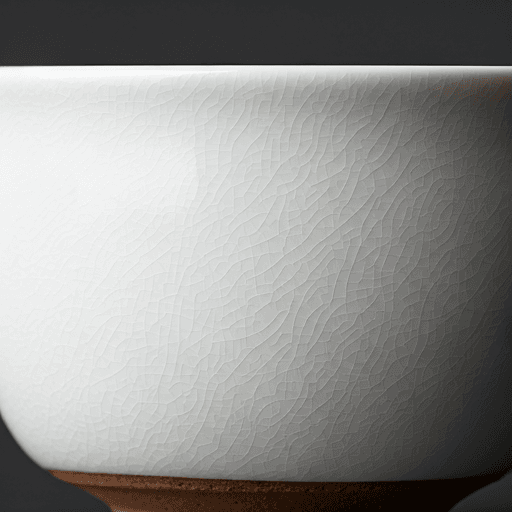
Glass tea cups are teacups made from heat-resistant glass -- often borosilicate, and frequently double-walled -- and they are loved for tea because they show off the color of the liquor, let you watch a blooming tea slowly open, and stay taste-neutral so they never muddy a delicate brew. This guide walks through the main types, explains why glass suits tea so well, weighs the trade-offs, and gives you a simple checklist for choosing a set that fits the teas you actually drink.
What are glass tea cups?
Glass tea cups are drinking vessels for tea made from clear, heat-resistant glass rather than porcelain, bone china, or stoneware. The good ones are almost always made from borosilicate glass, a formulation that contains boron and resists thermal shock far better than ordinary soda-lime glass. That matters because tea is poured hot: borosilicate can take near-boiling water without cracking, while cheap glass can craze or shatter when the temperature changes suddenly.
Beyond the material, glass teacups split into two broad builds. Single-wall cups are a single layer of glass, thin and elegant, and are often sold as handled cups or as glass cup-and-saucer sets. Double-wall cups have two layers with an insulating air gap between them, which keeps the outside cool to the touch while the tea stays hot inside and creates the illusion that the tea is floating. Both are non-porous, so they do not hold onto flavors or stains the way some materials can.
Why choose glass for tea
The single biggest reason is that you can see everything. Appreciating the color and clarity of a brew is part of the ritual, and glass puts it on full display -- the amber of an oxidized black, the pale gold of a green, the deep ruby of a hibiscus, the shifting hues of a fruit tisane. For anyone learning to read a tea by its liquor, a clear cup is a teaching tool.
Glass is also the natural home for a blooming (flowering) tea, where a hand-tied bundle of leaves unfurls to reveal a flower inside. Watching that happen through the wall of the cup is the entire point, and a solid porcelain cup hides it completely. Rolled oolongs that expand as they steep are just as satisfying to watch.
A few more reasons glass earns its place at the tea table:
- Neutral flavor. Glass adds nothing. Delicate greens, whites, and lightly scented teas taste exactly as intended, with no glaze or clay note in the way.
- Easy to clean. Because glass is smooth and non-porous, tea stains struggle to take hold. A rinse usually does the job, and cups stay clear over time.
- Cool to hold. A double-wall cup lets you cradle a hot tea without burning your fingers, and it will not sweat a puddle onto your desk when you fill it with iced tea.
- Understated and modern. Clear glass suits almost any setting and photographs beautifully, which is part of why cafes and tea rooms lean on it.
The trade-offs are real, though. Glass is more fragile than ceramic and will not forgive a hard knock. Thin single-wall cups also lose heat faster than a thick ceramic mug, so a small single-wall cup can cool quickly. And quality varies widely: only borosilicate reliably shrugs off thermal shock, so if a listing does not say what glass it is, treat that as a caution. Even with borosilicate, avoid genuine extremes, like pouring boiling water into a cup straight from the freezer.
Types of glass tea cups
There is no single "best" style -- the right one depends on how you drink. Here are the formats you will run into, with what each does well.
Double-walled borosilicate cups
The signature glass tea cup. Two layers of borosilicate with an air gap deliver insulation, a cool exterior, and the floating-tea look. They need no saucer, work for both hot and iced tea, and are the easiest style to live with day to day. Double wall glass tea cups are usually a little pricier than single-wall equivalents and slightly heavier, but they are the most forgiving.
Single-wall cups and glass cup-and-saucer sets
Thin, classic, and the closest glass gets to a traditional teacup. Single-wall glass shows color just as well and often comes as a matching glass cup-and-saucer set, which is a lovely option for afternoon tea and gifting. Read our cup-and-saucer sets guide for the pairing details. The catch is heat: with only one layer, the outside gets hot and the tea cools faster, so keep pours modest and drink while it is fresh.
Handled glass mugs for tea
A larger, handled glass mug bridges tea and coffee, giving you a bigger volume and a handle so you never touch a hot surface. Many are double-walled, and some ship with a stainless infuser and lid for brewing loose leaf right in the cup. If you also use glass for coffee, see our companion glass mugs guide, which covers latte and coffee mugs in more depth.
Glass cups paired with a pot or gaiwan-style set
For a more involved brew, matching glass cups with a glass teapot -- or a small glass gaiwan and fairness pitcher -- lets you brew and serve while watching leaves move through every step. Clear teaware is especially rewarding for multi-infusion sessions with oolong or pu-erh, where the liquor deepens cup by cup. A coordinated glass tea cup set with a pot makes a striking gift and a practical everyday brewer.
| Glass tea cup type | Best for | Note |
|---|---|---|
| Double-walled borosilicate cup | Everyday hot and iced tea; the floating look | Insulated, cool to hold, no saucer needed |
| Single-wall glass cup | Showing color; classic feel; lighter weight | Gets hot; tea cools faster |
| Glass cup-and-saucer set | Afternoon tea, gifting, a set table | Elegant but single-wall; handle with care |
| Handled glass mug (often double-wall) | Bigger servings; brewing with an infuser | Handle keeps fingers off hot glass |
| Glass cups with a pot or gaiwan set | Loose leaf and multi-infusion sessions | Watch leaves and liquor throughout |
What to look for in glass teacups
Once you know the style you want, these are the features that separate a cup you will keep from one that chips or cracks in a month.
- Borosilicate glass. This is the headline spec. It resists thermal shock, so hot tea will not crack it. If a product does not state the glass type, be cautious.
- Single vs double wall. Double wall for insulation, a cool exterior, and iced drinks that do not sweat; single wall for a thinner, lighter, more traditional feel.
- Size. Cups range from tiny 2 oz (about 60 ml) tasting cups for gongfu-style brewing up to 12-15 oz (roughly 350-440 ml) mugs. Match the size to the tea: small for concentrated multi-infusion teas, larger for everyday mugs.
- Handle vs handle-less. Handle-less cups look clean and let you feel the warmth, which suits double-wall builds; a handle is safer for hot single-wall cups and bigger servings.
- Dishwasher and microwave safety. Most borosilicate is microwave-safe and many are dishwasher-safe, but delicate double-wall cups often prefer hand washing. Check the maker's guidance.
- Infuser option. If you brew loose leaf, a cup or mug with a built-in stainless infuser and lid lets you steep and remove the leaves in one vessel.
- Whether it matches a pot or set. If you already own a glass teapot, buying cups from the same range keeps the look consistent.
How to choose the best glass tea cups for you
Work through this short checklist and the right cup usually becomes obvious.
- Start with the teas you drink. If you love blooming teas, unfurling oolongs, or brightly colored herbal and fruit teas, prioritize clear, uncluttered glass so you can watch the show. For plain daily black tea, looks matter less and a sturdy mug may win.
- Decide on insulation. Pick double wall glass tea cups if you want a cool exterior and slower cooling, or if you drink a lot of iced tea. Choose single-wall if you prefer a thin, classic cup and drink quickly.
- Size it to your habit. Small cups keep concentrated teas hot to the last sip and suit multi-infusion brewing; larger mugs suit long, casual drinking.
- Weigh durability. If cups will see heavy daily use or share a home with children, thicker double-wall borosilicate or a handled mug survives better than a fine single-wall cup and saucer.
- Set or singles? A coordinated glass tea cup set is ideal for entertaining and gifting; individual cups let you mix sizes for different teas.
You do not have to spend a lot to get good glass. Entry-level double-wall cups are widely available and perfectly serviceable, while premium sets add heavier borosilicate, tighter finishing, and matching pots. Cost tends to track wall thickness, brand, and whether a pot or infuser is included rather than any difference in how the tea tastes.
A note on brands
Plenty of well-known makers offer glass teaware, and it helps to recognize the names as factual examples rather than endorsements. Bodum is widely associated with double-wall borosilicate cups and glass teapots; Hario, a Japanese glassware maker, produces heat-resistant glass pots and cups favored for loose leaf; and general glassware brands like Libbey and JoyJolt make clear cups and mugs that work well for tea. Treat any brand as a starting point and judge the individual cup on the specs above -- glass type, wall construction, size, and safe-use guidance.
Caring for glass tea cups
Glass rewards a little care. Even borosilicate prefers gradual temperature changes, so warm a very cold cup with a splash of warm water before pouring boiling tea, and never move a hot cup straight onto a cold stone surface. Hand washing is gentlest for double-wall and fine single-wall cups, and it keeps them crystal clear. Skip abrasive scourers, which can scratch, and let cups cool before washing. Done right, good glass stays as clear as the day you bought it.
The bottom line
Glass tea cups turn a simple cup of tea into something you can watch as well as taste -- the color, the clarity, and, with a blooming tea, the flower opening in your hand. Choose borosilicate for safety with hot water, double wall for insulation, and a size that matches your favorite brews, and you will have teaware that earns its place every day. For the wider view across materials, browse our best tea cups buying guide, then let the teas you love guide the final choice.