
Choosing a cup and saucer set comes down to one simple idea: match the cup to the drink, then pick a material and finish you will actually enjoy holding. The saucer's job is humble but genuinely useful, as it catches drips, gives a teaspoon somewhere to rest, and holds a biscuit or a wrapped chocolate on the side. This guide organises cup and saucer sets by drink and size, explains what porcelain, bone china, stoneware and glass each bring to the cup, and ends with a short checklist for choosing the right saucer and cup set for espresso, coffee or tea.
It pairs with our broader guide to choosing coffee cups and mugs, which covers everyday mugs and capacities in more depth. Here the focus is the matched pairing, the small and often more formal vessels that come with their own little plate.
What a cup and saucer set is for
A cup and saucer set is a matched pair: a handled cup that sits in a shallow dish with a recessed ring, or "well," that keeps the cup from sliding. The format dates back to a time when hot drinks were poured from cup into saucer to cool, but today the saucer earns its place in three small ways. It catches the drips that run down the outside of a freshly poured cup. It gives the spoon a clean home after you stir. And it offers a ledge for a biscuit, a sugar cube or the tea bag you have just fished out. None of that is essential, but together it turns a quick drink into something that feels considered.
Because the saucer adds a note of formality, cup and saucer sets cluster around the smaller, more sociable drinks: espresso, cappuccino, a cup of tea, an after-dinner coffee, rather than the big takeaway mug you nurse at a desk. The first decision, then, is which drink you are buying for.
Cup and saucer sets by drink and size
Cup capacity is usually given in fluid ounces (oz) and millilitres (ml). Getting the size right matters more than any other single choice, because a drink served in the wrong volume never sits the way it should. Here are the main types, smallest first.
Espresso and demitasse cups (2-3 oz)
The smallest cup and saucer sets are built for espresso. A demitasse, French for "half cup," holds roughly 2 to 3 oz (60-90 ml), just enough for a single or double shot with its crema intact. Good espresso cups are thick-walled so the small volume of liquid does not turn cold in seconds, and many have a narrow, tulip-shaped bowl that concentrates the aroma and helps hold the crema together. Warm the cup before you pull a shot and the difference is easy to taste. If you are still getting to grips with the drink itself, our guide to espresso explains why the cup matters as much as the grind.
Cappuccino cups (5-6 oz)
A cappuccino cup holds about 5 to 6 oz (150-180 ml) and is wider and rounder than a demitasse. That extra width is deliberate: it gives the steamed milk and its cap of foam somewhere to sit, and it gives a barista room for latte art. The rounded inner bowl also helps the foam hold its shape. The same cup suits a flat white or a small latte. Go much bigger and a single shot of espresso gets lost in too much milk, which is why the cappuccino cup is sized the way it is.
Coffee cups and mugs with a saucer (7-10 oz)
Between the cappuccino cup and the full mug sits the everyday coffee cup, usually 7 to 10 oz (200-300 ml) and often sold as a "coffee cup and saucer" or a "breakfast cup." It handles a modest filter coffee, a flat white with room to spare, or a generous cup of tea. Some ranges scale this up to a mug-sized cup that still arrives with a saucer, bridging the gap between formal sets and the casual mug you would otherwise reach for.
Tea cups and saucers
Tea cups and saucers tend to be wider and shallower than coffee cups, with thinner walls and a more flared rim. The wide mouth lets the aroma rise and the tea cool to a drinkable temperature, which suits delicate black and green teas. A teacup usually holds around 6 to 8 oz (180-240 ml). Fine bone china is the classic choice here precisely because thin walls feel refined against the lip. If you take your tea loose-leaf, pair the set with our notes on how to brew loose-leaf tea so the cup is doing justice to the leaf.
Cafe au lait bowls
At the largest, most casual end are cafe au lait bowls: wide, often handle-less vessels of roughly 7 to 12 oz (200-350 ml) that you cradle in both hands, a French breakfast tradition for milky coffee you can dunk bread or a croissant into. Many come with a saucer; others stand alone. They are less about ceremony and more about a warm, generous morning drink.
The drink-to-cup-size table
Use this as a quick reference when you are matching a set to the drinks you make most. Capacities are common ranges, not strict rules, since makers vary and a cup is never filled to the brim.
| Drink | Cup size | Material lean |
|---|---|---|
| Espresso, ristretto, macchiato | 2-3 oz (60-90 ml) demitasse | Thick porcelain or stoneware to hold heat |
| Cappuccino, flat white, cortado | 5-6 oz (150-180 ml) | Porcelain or bone china, rounded bowl |
| Everyday coffee, breakfast cup | 7-10 oz (200-300 ml) | Porcelain or stoneware |
| Black or green tea | 6-8 oz (180-240 ml) | Bone china or fine porcelain, thin rim |
| Cafe au lait | 7-12 oz (200-350 ml) | Stoneware or porcelain bowl, often handle-less |
Materials and what they mean
What a cup is made of changes how it feels, how well it holds heat and how much care it needs. Four materials cover almost every cup and saucer set.
Porcelain
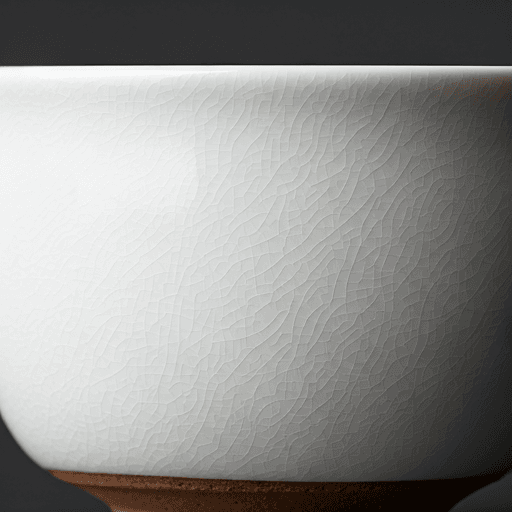
Porcelain is the workhorse of quality cup and saucer sets: a dense, hard, non-porous ceramic fired at high heat. It is bright white, retains heat well, resists staining and is more durable than it looks. Most cafe and home sets are porcelain for good reason, as it is refined enough for the table and tough enough for daily use, and much of it is dishwasher and microwave safe.
Bone china
Bone china is porcelain's finer cousin, made with bone ash that gives it a translucent, ivory-white body and a delicate, almost weightless feel. Counter-intuitively, that bone content also makes it surprisingly strong for its thinness, and it holds heat beautifully. It is the traditional choice for tea cups and saucers and for fine occasion sets, and it usually sits at the premium end. The trade-off is care: bone china is more delicate at the rim, and any gold or platinum banding rules out the microwave and often the dishwasher.
Stoneware
Stoneware is chunkier, heavier and more casual, with opaque, often earthy or matte glazes and thicker walls. It is very durable, hard to chip, keeps drinks warm thanks to its mass, and is usually dishwasher and microwave safe. If you want an everyday saucer and cup set with a relaxed, handmade look rather than a formal one, stoneware is the natural pick. Our guide to copper mugs and kettles covers another characterful material if you are drawn to metal drinkware instead.
Earthenware and glass
Earthenware is fired at lower temperatures, so it is more porous and a touch softer, which makes it rustic and affordable but more prone to chipping and best kept for casual use. Glass sits at the other extreme: a glass cup shows off a layered latte or a glowing tea, and double-walled glass insulates well and keeps fingers cool, though plain single-wall glass loses heat faster than ceramic. Each has its place, but neither is the default for a matched, formal set.
| Material | Feel | Heat retention | Care |
|---|---|---|---|
| Porcelain | Refined, sturdy | Good | Usually dishwasher and microwave safe |
| Bone china | Fine, translucent, delicate | Very good | Hand-wash; no microwave if gilded |
| Stoneware | Chunky, casual, heavy | Very good | Usually dishwasher and microwave safe |
| Earthenware | Rustic, softer | Moderate | Gentle wash; chips more easily |
| Glass | Shows the drink | Lower (single wall) | Check the maker; double-wall insulates |
How to choose a cup and saucer set
Once you know the drink and lean toward a material, run through this checklist before you buy:
- Match the size to the drink. A demitasse for espresso, a 5-6 oz cup for cappuccino, a 7-10 oz cup for everyday coffee, a wider 6-8 oz cup for tea. This single choice decides whether the drink sits right.
- Mind the wall thickness. Thick walls keep an espresso hot and feel sturdy in the hand; thin walls feel refined against the lip and suit tea and fine sets.
- Look at the shape. A narrow, tulip bowl concentrates aroma and protects crema, which is why it suits espresso; a wide, open bowl shows off foam and cools the drink faster, which suits cappuccino and tea.
- Check the handle. Hold it if you can. Your fingers should fit comfortably, and the cup should feel balanced rather than top-heavy when full.
- Check the saucer well. The recessed ring should hold the cup securely, with room left over for a spoon and a small biscuit.
- Confirm dishwasher and microwave safety. Plain porcelain and stoneware usually pass both; gilded or hand-painted bone china often does not, so read the base or the box.
- Think about set size and stackability. Sets come in pairs, fours, sixes or a full twelve. Stackable cups save cupboard space, but very thin rims are easier to chip when stacked, so handle fine china gently.
- Decide everyday versus occasion, matching versus mixing. A hard-wearing matched set earns its keep for daily use; a finer set or a deliberately mismatched collection of vintage cups suits guests and special pours.
On cost, treat it qualitatively rather than chasing a number. Entry-level stoneware and porcelain sets are inexpensive and built to take daily knocks. Mid-range sets add finer glazes, better balance and a more refined feel. Premium bone china and named makers cost more for the thinness, the translucency and the finish. Spend where it matters for how you will actually use the set, not where the label is shiniest.
Caring for a cup and saucer set
A little care keeps a set looking new, and it matters most for the delicate, decorative pieces.
- Hand-wash the fine pieces. Wash bone china and any cup with a gold, silver or hand-painted rim by hand in warm, mild soapy water. Dishwasher heat and harsh detergent dull metallic banding over time.
- Avoid thermal shock. Do not pour boiling water into a cold cup straight from a cold cupboard, as the sudden change can crack delicate ceramic and glass. Warm the cup with a little hot water first, especially fine china and single-wall glass.
- Stack with care. Slip a paper towel or a felt pad between stacked bone china cups and saucers so the rims and glaze do not scratch each other.
- Lift stains gently. Tea and coffee leave a tannin film over time. A soft paste of bicarbonate of soda and water, rubbed on and rinsed off, lifts it without scouring the glaze.
The takeaway
The best cup and saucer set is simply the one that fits the drink you make most and the way you like to use it, whether that is a thick-walled espresso pair, a wide bone-china teacup, or a sturdy everyday set in stoneware. Match the size first, choose a material you will enjoy holding, and let the saucer do its quiet job of catching drips and carrying a biscuit. From there, keep exploring drinks and brewing on the coffee hub and the tea hub.