
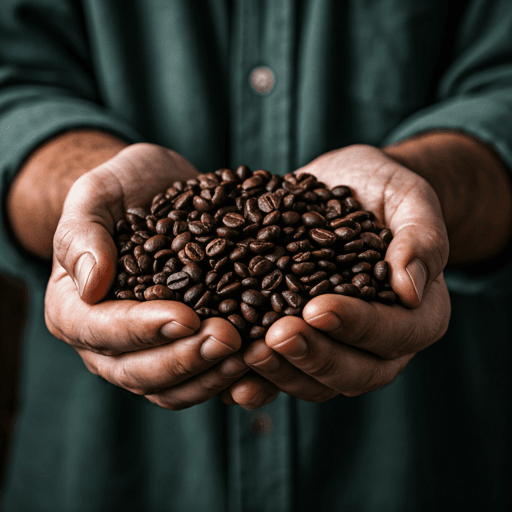
Flavored coffee is roasted coffee that has had flavorings added directly to the beans — usually flavoring oils, natural or artificial, sprayed onto the beans just after roasting so they smell and taste of things like French vanilla, hazelnut, caramel, mocha or pumpkin spice. It is real coffee with aroma added at the roaster, and it is different from flavoring your own cup with a syrup or spice. Below is how flavored coffee is made, why so many people enjoy it, what purists object to, and how to brew and store it without wrecking your gear.
What is flavored coffee?
Flavored coffee starts as ordinary roasted coffee — the same Arabica and Robusta beans you find in any bag (if you want the basics on the bean itself, see our guide to what coffee beans are). You may also see it written as "flavoured coffee," the British spelling of exactly the same thing. What makes it "flavored" is a coating of concentrated flavoring applied after roasting. The flavor sits on the surface of the bean and in its pores, so the moment you open the bag you get a hit of dessert-like aroma: think toasted nuts, vanilla custard, or warm spice.
You will see flavored coffee sold as whole flavored coffee beans and as pre-ground flavored ground coffee, in supermarket bags, single-serve pods, and bulk bins at coffee shops. The drink in the cup is still just brewed coffee — there is no sugar or dairy added to the beans themselves. The sweetness you perceive is almost entirely aromatic, a trick your nose plays on your tongue.
How flavored coffee is made
The process is surprisingly simple. After beans come out of the roaster — often while they are still warm so the flavor adheres better — they are tumbled in a large rotating drum while a measured dose of liquid flavoring is sprayed over them. Roasters typically use a small amount, on the order of a few milliliters per pound of beans, and tumble for roughly 15 to 30 minutes so every bean gets an even coat. The batch then rests so the flavoring can settle in before bagging.
The flavoring is not raw vanilla extract or melted caramel. It is a concentrated flavor compound dissolved in a food-grade carrier — commonly propylene glycol, a standard, food-safe flavor solvent. That carrier is what lets a tiny amount of flavor spread evenly and cling to the bean. Because the coating is an oil-based film, flavored beans look and feel slightly glossier or oilier than the same beans unflavored.
One open secret of the trade: flavoring is often — though not always — applied to more ordinary, lower-grade beans. A bold vanilla or hazelnut coat masks origin character, so there is little reason to spend a delicate, expensive single-origin lot on it. That is not a rule, and some specialty roasters do flavor good coffee carefully, but it explains why a lot of mass-market flavored coffee is built on workhorse blends rather than prized micro-lots.
Natural versus artificial flavorings
Flavored coffee splits into two broad camps, and the label usually tells you which you are getting.
- Natural flavorings are derived from real food sources — extracts and aromatic compounds pulled from fruits, nuts, spices, beans (vanilla), roots or herbs. "Natural flavor" on a bag means the aroma compounds originate from something edible, though they are still processed and concentrated.
- Artificial flavorings are synthesized in a lab to mimic those same notes. Common examples include ethyl vanillin for a vanilla note, compounds in the maltol/caramel family for caramel and maple, and various synthetic esters for nutty or fruity tones.
Neither is automatically better in the cup. Natural flavorings are not necessarily "healthier," and a well-made artificial flavor can taste cleaner and more consistent than a muddy natural one. The honest takeaway: read the label if the source matters to you, and judge by taste rather than by the word "natural" alone.
Popular flavored coffee flavors
A handful of flavors dominate the category worldwide. Here is what the most common ones actually taste like, and whether they tend to be built from natural or artificial compounds.
| Flavor | Tastes like | Natural or artificial? |
|---|---|---|
| French vanilla | Sweet, custardy, rounded vanilla — softer than plain vanilla | Both common; "French" implies a creamier profile |
| Hazelnut | Toasted, buttery nut with a hint of sweetness | Usually artificial (true hazelnut oil is costly) |
| Caramel | Burnt-sugar, toffee-like richness | Often artificial (maltol-family compounds) |
| Mocha / chocolate | Cocoa and dark-chocolate notes layered on coffee | Both; sometimes paired with real cocoa |
| Pumpkin spice | Cinnamon, nutmeg, clove and ginger warmth | Typically a natural spice blend or natural flavor |
| Irish cream | Creamy, vanilla-whiskey dessert note (non-alcoholic) | Usually artificial |
| Cinnamon | Warm, sweet-spicy bakery note | Often natural (cinnamon-derived) |
| Coconut | Tropical, creamy, slightly sweet | Both common |
Regional and specialty flavor traditions go further still — chicory blends, hazelnut-forward European styles and sweetened Vietnamese-style coffee each have their own following and their own characteristic profiles, layering local habits on top of the same basic idea.
Why flavored coffee is popular
The appeal is easy to understand. Flavored coffee delivers an inexpensive, repeatable treat: variety from a single brewer, a dessert-like aroma that fills the kitchen, and, if you drink it unsweetened, real flavor with essentially no added sugar or calories. The aroma does a lot of the work — your brain reads "vanilla" and "caramel" as sweet even when the cup is technically unsweetened and black.
It is also a low-stakes way into the hobby. Someone who finds black coffee too bitter often finds a hazelnut or French vanilla cup approachable, and from there gets curious about beans, grind and brewing. Flavor, in other words, is a friendly front door. Aroma is central to how we taste coffee at all — our explainer on coffee and aroma unpacks why your nose drives so much of the experience.
The downsides purists point to
Flavored coffee is not for everyone, and the criticisms are fair to know about.
- It masks the bean. A strong flavor coat covers the origin character, acidity and subtle notes that specialty drinkers chase. If you want to taste what a Colombian or Ethiopian coffee actually does, flavoring works against you.
- Quality varies widely. Because flavoring often rides on cheaper beans, the underlying coffee can be flat or stale. A great vanilla aroma cannot rescue a dull base.
- The oils gunk up your gear. This is the practical one. The flavoring film leaves residue inside grinders, hoppers and brewers. Over weeks it builds up, can turn rancid, and taints the next coffee you run through. Dark, oily roasts do this too, but flavored beans are among the worst offenders.
If you grind flavored coffee in the same burr grinder you use for everything else, that vanilla or hazelnut taste will haunt your next batch of plain coffee. Many enthusiasts keep a separate, dedicated grinder just for flavored beans for exactly this reason.
Flavored beans versus flavoring your cup
This is the distinction that trips people up. There are two completely different ways to get a flavored cup:
- Buy beans that are already flavored — the topic of this guide. The flavor is baked in at the roaster and you simply brew as normal.
- Flavor your own cup — add the flavor yourself after brewing, using syrups, creamers, spices, cocoa or extracts. This keeps your beans (and your grinder) plain, and gives you full control over how much flavor and sweetness goes in.
If you would rather keep your beans clean and flavor the cup, start with our guide to flavoring your coffee and the rundown of coffee syrups. You can also DIY-flavor plain beans at home — tossing whole beans with a split vanilla pod, a cinnamon stick or a few drops of extract in a sealed jar for a day or two will lend a gentle aroma without the heavy commercial oils. It is milder and less consistent than store-bought, but you control exactly what goes in.
How to brew and store flavored coffee
Brewing is the forgiving part. Flavored coffee works in essentially any method — drip machine, French press, pour-over or pod. Because you are usually drinking it for the aroma rather than nuanced extraction, immersion and drip methods that are easy and consistent suit it well. Use your normal coffee-to-water ratio; there is no need to adjust dose for the flavor.
Storage and cleaning matter more:
- Keep it airtight, cool and dark. The flavoring oils can oxidize and go rancid faster than plain coffee, so a sealed, opaque container away from heat and light protects both the aroma and the coffee.
- Buy in smaller amounts. Flavor fades over time, so a quantity you will finish in a few weeks beats a giant bag that dulls.
- Prefer whole beans where you can. Whole flavored coffee beans hold their aroma longer than pre-ground, which loses both coffee and flavor quickly once exposed to air.
- Clean your equipment more often. Wipe down hoppers and run a grinder-cleaning routine (grinder tablets, or a rice/plain-bean purge followed by a wipe) more frequently than you would for plain coffee. If you brew flavored coffee regularly, a dedicated grinder is the cleanest solution.
How to choose the best flavored coffee for you
There is no single "best" flavored coffee — the best one is the flavor you actually enjoy on a base you do not mind. A quick checklist:
- Pick the flavor first, then the base. Decide whether you want vanilla, nutty, caramel or spice, then look for a brand whose underlying roast you already like.
- Decide natural versus artificial. If the flavor source matters to you, read the label rather than trusting front-of-bag claims.
- Match it to your gear. If you only own one nice grinder and care about it, lean toward flavoring your cup instead, or keep a cheap second grinder for flavored beans.
- Buy fresh and small. Look for a roast date, choose whole bean when possible, and buy a size you will finish while it is still aromatic.
- Skip it for tasting origins. If your goal is to explore single-origin character, flavored coffee is the wrong tool — go unflavored.
The bottom line
Flavored coffee is exactly what it sounds like: real roasted coffee dressed up with added aroma, usually flavoring oils applied at the roaster. It is an easy, affordable, sugar-optional treat with genuine variety — as long as you go in clear-eyed about the trade-offs, store it well, and keep your grinder clean. If flavored beans feel like too much commitment for your equipment, flavoring your own cup gives you the same dessert notes with none of the residue. Either way, the next step is the same: start with coffee you genuinely like, and let the aroma do the rest.