
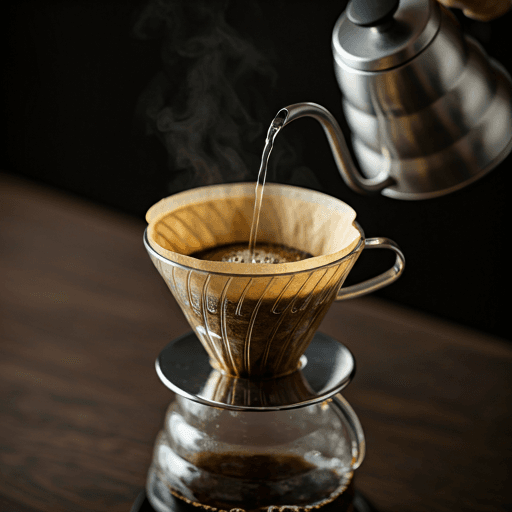
Coffee flavoring is simply any way you add taste and aroma to your coffee beyond the bean itself, from a splash of syrup to a pinch of cinnamon in the grounds. There is no single right method, and the best one depends on whether you want sweetness, spice, richness, or just a brighter cup. This guide is a hub: it surveys the main routes to flavored coffee, shows how to use each, and links the deeper how-tos when you want to go further on any one of them.
What coffee flavoring actually means
At its core, coffee flavoring falls into two camps. The first is adding flavor to the cup, after brewing, with syrups, extracts, spices, creamers, or natural add-ins you stir in. The second is buying or making flavored coffee beans, where the flavor is built into the grounds before you ever brew. Most people mix and match. A home setup might keep a bottle of vanilla syrup, a jar of cinnamon, and a tin of cocoa, then reach for whichever suits the morning. None of these require special equipment, and almost all of them work in hot coffee, iced coffee, and cold brew alike.
The main ways to flavor coffee at home
Here are the everyday coffee flavorings, what each does best, and how to add it without overdoing it.
Flavored syrups
Syrups are the cafe workhorse: a thin, pourable, flavored sweetener that dissolves instantly in hot or cold coffee. Vanilla, caramel, and hazelnut are the classics. A simple homemade syrup is nothing more than sugar plus water plus a flavor, simmered briefly, so it is easy and cheap to make your own. Start with about a tablespoon (15 ml) per cup and adjust. Branded bottled syrups in tall pump bottles, such as Monin, Torani, or DaVinci, are formulated to last far longer than a homemade batch and usually come in a sugar-free line too. For the deep dives, see our guide to caramel syrup for coffee and our explainer on what Monin syrup is.
Spices
Spices flavor coffee with almost no added sweetness or calories, which is why they are the go-to when you want aroma without sugar. Cinnamon is the obvious starting point; cardamom, nutmeg, ginger, and a little cocoa all pair beautifully with coffee. You can stir ground spice into the finished cup, but the cleaner method is to add it to the dry grounds before brewing, so the hot water extracts the spice oils gently and evenly. A scant quarter teaspoon per cup is plenty. Our cinnamon coffee guide covers that route in detail.
Extracts
Extracts are concentrated alcohol-based flavorings, and a little goes a very long way. A single drop or two of vanilla, almond, or peppermint extract per cup adds clear flavor with no sweetness of its own. Because they are so potent, extracts are easy to overdo, so add them by the drop and taste as you go. They are the cheapest way to mimic a flavored syrup without the sugar, and they keep almost indefinitely in the cupboard.
Flavored creamers
Creamers flavor and lighten at the same time, adding body and a milky sweetness along with the flavor. They come dairy and non-dairy, liquid and powdered, in flavors like French vanilla, caramel, and hazelnut. The trade-off is that flavored creamers, especially the sweetened ones, can carry a fair amount of added sugar, so check the label if that matters to you. Unsweetened and sugar-free versions exist. For the full picture, see our coffee creamers guide.
Flavored beans and ground coffee
Flavored beans bake the flavor into the coffee itself. They are made by tumbling freshly roasted beans in a mixer while flavoring oils are sprayed on, then letting the beans absorb the oils, typically around two to three pounds of flavoring oil per hundred pounds of beans. The appeal is convenience: you just brew as usual and the flavor is already there. The trade-offs are real, though. The flavoring oils can leave grinds pasty and gum up a grinder over time, the flavor can mask the quality of the underlying coffee, and stale beans soak up oil unevenly. Many people prefer to keep their good beans plain and flavor in the cup instead. Chicory, hazelnut, and the sweetened Vietnamese style are common examples of the genre.
Natural add-ins
Some of the best coffee flavorings are already in your kitchen. A thin strip of orange or lemon zest brewed with the grounds brightens the whole cup and plays especially well with lighter roasts. A tiny pinch of salt, stirred into harsh black coffee, tames bitterness without you tasting salt at all (if you can taste it, you used too much). Brown sugar or demerara adds a toffee-ish, molasses note instead of plain sweetness, and a spoon of unsweetened cocoa turns coffee into an easy at-home mocha. These add-ins are cheap, low-sugar, and endlessly tweakable.
Coffee flavoring methods compared
| Flavoring | How to add it | Notes |
|---|---|---|
| Flavored syrup | Stir about 1 tbsp (15 ml) into the finished drink | Adds flavor and sweetness; dissolves hot or cold; sugar-free lines exist |
| Spices (cinnamon, cardamom, nutmeg) | Add to the dry grounds before brewing, or stir a pinch into the cup | Aroma with almost no sugar or calories; start with a quarter teaspoon |
| Extracts (vanilla, almond, peppermint) | Add 1 to 2 drops per cup | Very potent and no sweetness; easy to overdo, so add by the drop |
| Flavored creamer | Pour to taste in place of milk | Adds body and milkiness; sweetened versions can be high in sugar |
| Flavored beans / ground | Brew as normal | Convenient but can gum up grinders and mask bean quality |
| Natural add-ins (zest, salt, cocoa, brown sugar) | Brew zest with grounds; stir the rest into the cup | Cheap, low-sugar, customizable; a pinch of salt cuts bitterness |
How to choose a coffee flavoring
- Want sweetness and flavor together? Reach for a syrup or a flavored creamer. Syrup keeps the coffee the same color; creamer lightens it.
- Want flavor without sugar? Use spices, a drop of extract, a strip of citrus zest, or unsweetened cocoa. These add aroma and depth with few or no calories.
- Want the easiest, no-measuring option? Flavored beans or ground coffee build it in, with the grinder and quality trade-offs noted above.
- Hot or iced? Syrups and extracts dissolve cleanly in cold drinks where granulated sugar will not; spices are best brewed into the grounds rather than dusted on iced coffee.
- Watching added sugar? Lean on spices, extracts, and zest, choose sugar-free or unsweetened syrups and creamers, and remember that piling on syrup or sweetened creamer adds real calories fast.
A note on sugar, calories, and caffeine
It is easy to turn a near-zero-calorie black coffee into a dessert. A couple of pumps of syrup, a generous glug of sweetened creamer, and a cocoa-and-sugar finish stack up quickly, so if you flavor for taste rather than indulgence, favor the unsweetened routes. Spices, extracts, and citrus zest give you flavor with almost no calories, and most syrups and creamers offer a sugar-free version. None of this changes the caffeine: your coffee carries the same caffeine whether you flavor it or not, since the flavorings themselves add none.
The bottom line
Flavoring your coffee at home comes down to a handful of simple tools: a syrup for sweetness, spices and extracts for aroma, a creamer for body, and natural add-ins like zest, salt, and cocoa for cheap, low-sugar tweaks. Start small, taste as you go, and keep the option you reach for most within arm's reach of the kettle. From here you can dive into any single route, whether that is a caramel syrup, a jar of cinnamon, or a richer creamer, and build the cup you actually want.