
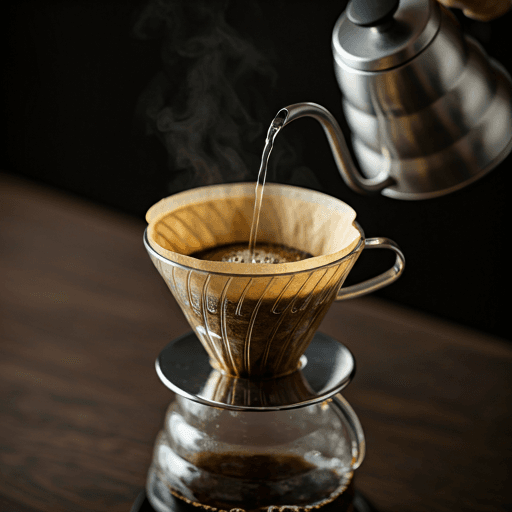
Coffee aroma is the smell of coffee, and it is also most of what we call coffee flavor. Roasting builds hundreds of volatile aromatic compounds inside the bean, and when you brew, those compounds lift on the steam and reach your nose two ways: directly as you sniff the cup, and from the back of your throat as you sip. That is why a fresh cup smells extraordinary and a stale one tastes flat. This guide explains where coffee aroma comes from, how to describe it, and how to keep more of it in every cup.
What is coffee aroma?
Aroma is the scent given off by the volatile compounds in roasted and brewed coffee. It matters far more than most people realize, because the tongue only detects five basic tastes: sweet, sour, salty, bitter and umami. Everything else you experience as "flavor" actually arrives through your nose. When a coffee tastes floral, fruity, nutty or chocolatey, you are smelling it, not tasting it.
Your nose reads coffee in two ways. Orthonasal smell is what you get when you lean over the cup and inhale before drinking. Retronasal smell happens while you swallow, when warm vapors travel up the passage at the back of your throat into your nasal cavity. Retronasal aroma is the bigger driver of perceived flavor. The easy proof: pinch your nose while you sip and a complex coffee collapses into plain bitterness and acidity. Let go, and the flavor floods back. We taste with our noses.
Why coffee smells so good: the chemistry of aroma coffee
Raw green coffee barely smells like coffee at all. It is grassy, vegetal and dense. Heat is what transforms it. As beans roast, two browning reactions do the heavy lifting. The Maillard reaction pairs amino acids with sugars once the bean climbs past roughly 150°C, and caramelization breaks the bean's own sugars down. A related step called Strecker degradation produces fragrant aldehydes. Together they spin out an enormous family of brand-new molecules.
Freshly roasted coffee contains more than 800 identified aromatic compounds, though only a few dozen do most of the work your nose notices. Pyrazines give roasty, nutty and toasted-bread notes. Furans lend caramel and sweet warmth. Sulfur compounds, especially a thiol called 2-furfurylthiol, supply that savory, unmistakable "fresh coffee" punch. Aldehydes add fruitiness, and guaiacols bring smoke and spice. This rich chemistry is exactly what people mean when they talk about a great "aroma coffee": a coffee prized as much for how it smells as for how it tastes. The roast itself is where most of it is created, so it helps to understand what coffee roasting does to a bean.
The coffee aroma wheel: how to describe what you smell
Professional tasters lean on an aroma and flavor wheel, a circle of descriptors that runs from broad families in the center to specific notes around the rim. You do not need formal training to use it. Start broad, then narrow down. Is the smell more fruity or more roasty? If fruity, is it citrus, berry or stone fruit? Naming a smell makes it easier to notice and remember.
Most everyday coffee aromas fall into a handful of families:
- Floral - jasmine, rose, honeysuckle. Common in light, high-grown coffees.
- Fruity - berry, citrus, stone fruit, dried fruit.
- Nutty and cocoa - almond, hazelnut, chocolate.
- Caramel and sweet - brown sugar, honey, vanilla, malt.
- Roasted - toast, smoke, dark chocolate, ash at the extreme.
- Spicy - clove, cinnamon, pepper.
- Earthy and herbal - cedar, tobacco, fresh-cut grass.
Roast level tilts the balance. Light roasts keep more of the delicate floral and fruity notes that reveal where a coffee grew, which is why they dominate the specialty coffee world. Darker roasts trade those top notes for deep roasted, chocolatey and smoky aromas created by the roast itself.
What drives coffee aroma in the cup
Aroma is not fixed at the farm. It is shaped at every stage, from variety and roast to how recently you ground the beans. A few factors matter most.
Origin and variety
Where coffee grows, the species and the processing method all seed the aroma. Arabica grown at altitude tends to be more floral and fruity; robusta is earthier and more bitter. Natural-processed coffees often smell jammy and wine-like, while washed coffees smell cleaner and brighter.
Roast level
Roast is the single biggest lever. Lighter roasts preserve fragile origin aromatics; darker roasts replace them with roasty, bittersweet character. Push too far and you mostly smell smoke.
Freshness and degassing
Roasting traps carbon dioxide inside the bean. For a week or two afterward the coffee slowly off-gases that CO2, carrying aroma with it, which is why a fresh bag smells loudest and why a roaster's degassing valve puffs when you press it. After the peak, those reactive aroma compounds bond with oxygen and fade. Most whole beans are at their best within a few weeks of roasting.
Grinding
Grinding is where aroma escapes fastest. A whole bean has a small surface area, so it holds its scent for weeks. Grind it and the surface area explodes, releasing a burst of fragrance and then staling within minutes. Pre-ground coffee is convenient but loses aroma almost immediately, so grinding right before you brew is the highest-impact habit you can build. Our guide to how to grind coffee beans covers the grind sizes for each method.
Storage and brewing
Oxygen, light, heat and moisture are the four enemies of aroma. Each one speeds staling. Brewing matters too: water around 90 to 96°C pulls aromatics into the cup, while water that is too cool under-extracts and water off the boil can scorch them.
| Factor | Effect on aroma | Practical takeaway |
|---|---|---|
| Origin and variety | Sets the base palette - floral, fruity, earthy | Read the bag's origin and process notes |
| Roast level | Light keeps delicate notes; dark adds roasty, smoky tones | Match roast to the aromas you enjoy |
| Freshness / degassing | Aroma peaks then fades as CO2 vents and oxygen creeps in | Buy small, use within a few weeks |
| Grinding | Releases aroma fast; ground coffee stales in minutes | Grind just before brewing |
| Storage | Oxygen, light, heat and moisture strip aromatics | Keep beans airtight, cool and dark |
| Brew temperature | Right heat carries aroma; too hot or cool distorts it | Brew around 90-96°C (195-205°F) |
How to keep your coffee's aroma
You cannot add aroma back once it is gone, but you can slow the loss. A short checklist covers almost everything:
- Buy whole bean. Beans hold their aroma far longer than pre-ground coffee.
- Grind fresh. Grind only what you are about to brew, ideally seconds before.
- Store airtight and in the dark. Keep beans in an opaque, sealed container away from heat and the stove. See our guide to airtight coffee storage containers for what to look for.
- Buy in smaller amounts. A two-week supply beats a giant bag that goes flat before you finish it.
- Mind the water. Use fresh, filtered water just off the boil so the aromatics survive the brew.
One more tip: do not store beans in the fridge, where moisture and food odors get in. A sealed container in a cool, dark cupboard does the job.
The takeaway
Coffee aroma is not a bonus on top of flavor; it is most of the flavor. The smell is built in the roaster, carried by hundreds of fragile volatile compounds, and lost quickly to time, oxygen and a stale grind. Buy fresh whole beans, grind them just before brewing, store them well, and most of that incredible scent ends up where it belongs - in your cup and on your nose. From here, it is worth exploring how roast level and grind shape what you smell, and tasting a few coffees side by side to train your nose.