
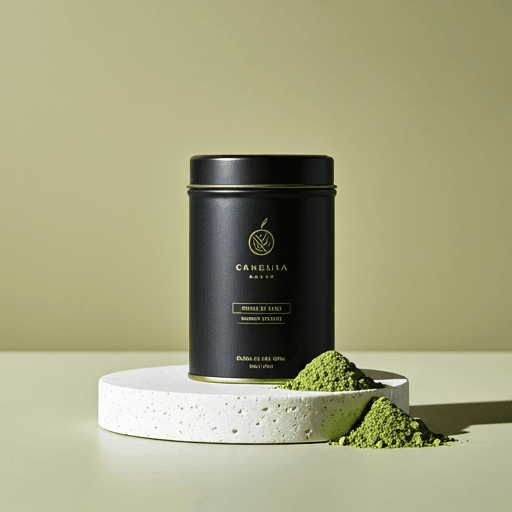
Does moringa tea have caffeine? No — a plain cup of moringa tea is naturally caffeine-free. It is a herbal tea, or tisane, brewed from the dried leaves of the moringa tree (Moringa oleifera, often nicknamed the drumstick tree), not from the caffeinated tea plant Camellia sinensis. Because the leaf itself contains no caffeine, a straightforward cup of moringa tea carries essentially none.
That single fact is what separates moringa from the true teas — green, black, oolong and white — which all come from Camellia sinensis and do contain caffeine. Moringa only borrows the word "tea." Botanically it is a herbal infusion, and like most herbal infusions it starts out caffeine-free. For the bigger picture of what counts as a herbal tea in the first place, see our guide to what herbal tea is.
Does moringa tea have caffeine? The short answer
Is moringa tea caffeine free? Yes. The drink is made by steeping dried moringa leaves — or a fine green moringa leaf powder — in hot water. Those leaves come from a tree native to parts of South Asia and now grown across the tropics, a completely different plant from the tea bush. Since the caffeine in a cup of ordinary tea comes from Camellia sinensis, and moringa contains none of that plant, there is simply no caffeine to brew out.
You will see moringa sold as loose dried leaf, in tea bags, and as a bright green powder stirred into water or milk. None of those forms adds caffeine on its own. The colour and the fresh, grassy aroma can resemble green tea, but the resemblance stops well short of the caffeine.
Caffeine in moringa tea: why the cup reads essentially zero
The caffeine in moringa tea is best described as negligible — close enough to nothing that it is normally labelled "caffeine-free." Caffeine is a compound that only certain plants make naturally: the tea bush, the coffee plant, cacao, yerba mate and guarana among them. The moringa tree is not one of them, so its dried leaf has nothing meaningful to contribute to your mug. That is why the moringa tea caffeine content sits comfortably alongside other true tisanes such as chamomile, peppermint, rooibos and hibiscus, rather than alongside green or black tea.
If you want the wider view of which leaves carry caffeine and which do not, our overview of whether tea contains caffeine lays out the Camellia sinensis versus herbal split, and shows why the naturally uncaffeinated tisanes sit well apart from the true teas.
Why it is caffeine-free even though it is sold as an "energizing" drink
Here is where the confusion usually creeps in. Moringa is frequently marketed as an "energy" tea, a "green boost," or a coffee alternative, which makes it sound as though it ought to be caffeinated. It is not. Whatever freshness or lift people describe after a cup, it is not a caffeine hit, because there is no caffeine present to deliver one.
In other words, "coffee alternative" here means an alternative ritual — a warm green cup you can reach for instead of coffee — not a caffeinated stand-in. We are not making any health claims about what moringa does or does not do; how the drink is discussed in a wellness context belongs in our separate guide to moringa tea and its talked-about benefits. Responses vary from person to person, and this is general information rather than medical advice.
The one caveat: always check the label on blends
Pure moringa is caffeine-free, but blends are where an exception can sneak in. Some products mix moringa with ingredients that do contain caffeine — most commonly green tea or black tea (both Camellia sinensis), or plants like yerba mate and guarana. Any of those additions would bring caffeine along with them, so a "moringa green tea" blend is not the same as plain moringa.
The fix is simple: read the ingredient list. If the only botanical named is moringa (Moringa oleifera) leaf, you can treat the cup as caffeine-free. If you spot tea, matcha, mate, guarana, kola nut or a vague "natural energy blend," assume there may be some caffeine and check with the maker if the exact amount matters to you. Amounts vary widely between products, so treat any figure you see as a rough guide.
A quick comparison: moringa, green and black tea
Because moringa looks green and is called a "tea," it helps to see the caffeine contrast at a glance. The figures below are broad, per-cup approximations that vary with the leaf, the amount used and the steep time.
| Tea type | Made from | Typical caffeine per cup |
|---|---|---|
| Moringa (herbal) | Moringa oleifera leaves | None — naturally caffeine-free |
| Green tea | Camellia sinensis | About 20-45 mg (varies) |
| Black tea | Camellia sinensis | About 40-70 mg (varies) |
The takeaway: green and black tea sit in the caffeinated column because they share the same source plant, while moringa sits in the caffeine-free column with the herbal tisanes.
What moringa tea is actually like
Flavour-wise, moringa tea is mild, distinctly green and a little earthy — grassy and vegetal, a bit like a light, gentle green tea but without the brisk, sometimes astringent edge that caffeine-bearing green tea can have. Steeped weak it is soft and leafy; pushed stronger it turns greener and more herbaceous, occasionally with a faint bitterness that a slice of lemon or a touch of honey rounds off nicely.
The powder and the whole leaf can taste slightly different, and how you brew it changes the cup a fair bit. We keep the step-by-step to its own guide — see how to make moringa tea for water temperature, timing and leaf-to-water tips.
Caffeine-free is not the same as decaf
It is worth clearing up one more point of confusion. Moringa tea being caffeine-free is not the same thing as a "decaf" tea. Decaffeinated green or black tea starts as a caffeinated Camellia sinensis leaf and has most of its caffeine stripped out by a process, usually leaving a small trace behind. Moringa never had caffeine to begin with — nothing is removed, because there was nothing there to remove. So while a decaf true tea may still carry a few milligrams, a pure moringa infusion has none by nature. Both are low-caffeine choices, but only moringa is caffeine-free from the start.
Who drinks moringa tea, and when
Because it has no caffeine, moringa tea tends to appeal to people who want a warm, green cup without the buzz: anyone cutting back on caffeine, those who find coffee or strong tea disrupts their sleep, and drinkers who simply like a mellow herbal infusion. The absence of caffeine also makes it an easy anytime choice — a mid-afternoon cup that will not linger into the evening, or a relaxed drink close to bedtime when a caffeinated tea might keep you up.
Plenty of people rotate it through the day alongside other tisanes, treating it much as they would chamomile or rooibos: a caffeine-free option to reach for when green or black tea would be too much.
A light note on safety
Moringa leaf tea is widely enjoyed as an everyday drink, but bodies differ, and this article is about caffeine rather than health advice. If you are pregnant or breastfeeding, taking any medication, or simply unsure whether moringa suits you, it is worth a quick word with your own healthcare provider before making it a habit — some sources suggest extra caution with moringa root and bark (as opposed to the leaf) and during pregnancy. Responses vary from person to person, and none of this is medical advice.