
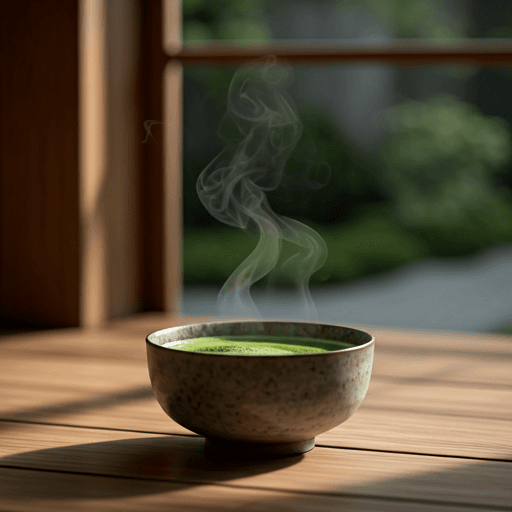
If you are winding down with a warm, ruby-colored cup and wondering, does elderberry tea have caffeine, here is the short answer: no. A plain cup of elderberry tea is naturally caffeine-free. It is a herbal tea, or tisane, brewed from the dark berries, and sometimes the flowers, of the elder tree (Sambucus nigra) rather than from the caffeinated tea plant, so it carries essentially none of its own.
That single fact answers most of the question, but there is one label trap worth knowing about, plus a small safety point that is specific to elderberries. Here is the full picture.
Does Elderberry Tea Have Caffeine? The Short Answer
The short answer is no, and the reason is botanical rather than about how you brew. A pure elderberry infusion is caffeine-free because of what it is made from. Elder berries, and the elderflowers sometimes blended in with them, do not naturally contain caffeine, so nothing in the cup can add it. When a box is labeled simply as elderberry tea and lists only elderberries — perhaps with elderflower, hibiscus, cinnamon or other fruit and herbs — you can treat it as a caffeine-free drink.
If you want the wider background on what actually counts as a herbal tea in the first place, and why a tisane sits in a different category from black or green tea, see our guide to what a herbal tea really is.
The Caffeine in Elderberry Tea, Explained
The caffeine in elderberry tea, or rather the lack of it, comes down to a single plant. True tea — black, green, white, oolong and pu-erh — all comes from the leaves of Camellia sinensis, and that plant naturally produces caffeine. Elderberry tea uses none of those leaves. Instead it is an infusion of elder fruit, which belongs to a completely different plant that simply does not make caffeine. No Camellia sinensis means no meaningful caffeine.
Brewing does not change this either. With black or green tea, a longer steep pulls more caffeine into the cup. With elderberry there is essentially no caffeine in the berries to begin with, so steeping it longer or making it stronger only deepens the color and the tartness — it will not build up a caffeine kick the way an over-steeped black tea can.
Why Fruit and Herbal Teas Are Naturally Caffeine-Free
Herbal and fruit teas are, strictly speaking, not tea in the botanical sense. They are tisanes: infusions of berries, flowers, leaves, roots, bark or spices from plants other than Camellia sinensis. Elderberry, hibiscus, chamomile, peppermint, rooibos and ginger all fall into this group. Because none of these plants produce meaningful caffeine, the drinks brewed from them start out caffeine-free.
The same holds whether your cup is made from the berries, the flowers, or a mix of both. Elderberry and elderflower come from the same plant, and neither part makes caffeine, so an elderflower-forward blend is just as caffeine-free as a berry-only one. For a fuller look at which drinks carry caffeine and roughly how much, our explainer on which teas contain caffeine breaks it down, and if you are specifically after cups with none, the roundup of caffeine-free teas covers the whole category.
The One Caveat: Blends and Berry-Flavored Teas
Here is where people get caught out. The word elderberry on the front of a package does not always mean the drink is caffeine-free. Some products are berry-flavored black or green teas — that is, real Camellia sinensis tea with elderberry flavor or bits of dried fruit added. Those absolutely contain caffeine, because the base is caffeinated tea. Others are wellness or energy blends that deliberately add ingredients such as yerba mate or guarana, both of which are naturally caffeinated.
The fix is simple: read the ingredient list. Exact numbers vary by brand and by how you brew, so treat the table below as a general contrast rather than a precise measurement.
| Type of "elderberry" tea | Caffeine? |
|---|---|
| Pure elderberry herbal tea (tisane) | None to negligible — caffeine-free |
| Berry-flavored black tea | Yes — from the black tea base |
| Berry-blended green tea | Yes — from the green tea base |
In other words, the pure elderberry version is the caffeine-free one; a blend that adds real tea, yerba mate or guarana is not.
How to Be Sure Your Cup Is Caffeine-Free
A quick glance at the packaging is usually all it takes to tell the two apart:
- Check the ingredient list first — only berries, flowers, herbs, fruit or spices means caffeine-free.
- Watch for the words black tea, green tea, white tea or oolong, since any of these adds caffeine.
- Look out for yerba mate and guarana in energy or wellness blends, as both are naturally caffeinated.
- If something is sold as a berry-flavored tea rather than a herbal tea or tisane, assume it has a caffeinated base until the label says otherwise.
A Safety Note Unique to Elderberry
Elderberries come with a quirk that most herbal ingredients do not: raw or unripe elderberries, along with the leaves, bark and stems of the elder plant, contain natural compounds that can cause nausea or an upset stomach if eaten as they are. This is exactly why commercial elderberry teas use berries that have been properly ripened, dried and prepared — that processing is what makes them pleasant and gentle to drink. It is a good reason to stick with a reputable, food-grade product rather than foraging and brewing raw berries yourself. This is general information about the plant, not medical advice, and individual responses vary.
What Elderberry Tea Tastes Like
Flavor-wise, elderberry tea is easy to enjoy. Brewed from the dark berries, it steeps into a deep purple-red cup with a tart, fruity, slightly tangy character and a mild natural sweetness, a little like a gentle mixed-berry infusion. Blends often lean on hibiscus, cinnamon, ginger or citrus to round it out. It takes well to a spoonful of honey and works served hot or poured over ice. If you want to explore its flavor and the traditions around it in more depth, see our guide to what elderberry tea is known for.
Who Chooses It, and When
Because a pure elderberry infusion has no caffeine, it slots easily into moments when a caffeinated drink would not. Many people reach for it in the evening, before bed, or simply as an anytime warm cup that will not interfere with sleep. It is also a common pick for anyone cutting back on caffeine, or who just prefers a fruity herbal drink to green or black tea. Since it is naturally caffeine-free, you can enjoy a second cup late in the day without the usual concern about staying wired.
A Quick Word on Wellness and Safety
Elderberry has a long folk history, but this article is only about caffeine rather than health outcomes, so we will keep it light. If you are pregnant, breastfeeding, taking any medication, managing a health condition, or simply unsure whether elderberry tea suits you, check with your own healthcare provider before making it a regular habit. Responses vary from person to person, and none of this is medical advice — just a straightforward look at what is, and is not, in your cup.