
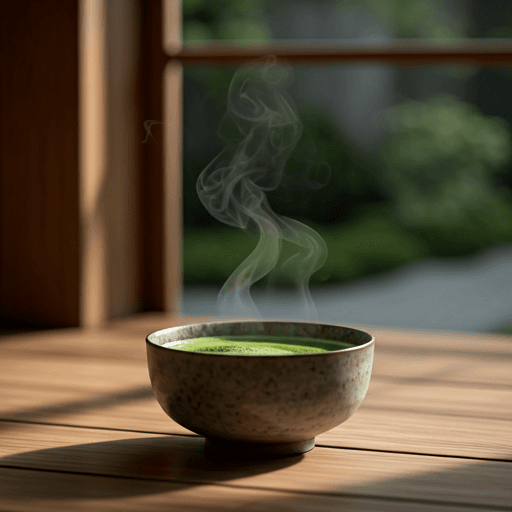
Cui Yu oolong (翠玉, "Jade") is a modern Taiwanese cultivar — Tea Research and Extension Station selection TTES No. 13 — bred to give an intensely floral, lightly oxidised, ball-rolled green oolong with a fresh magnolia-and-gardenia perfume. It is the less-famous sibling of Jin Xuan, the celebrated milk-oolong cultivar (TTES No. 12), and was released alongside it in 1981. Where Jin Xuan leans soft and creamy, Cui Yu leans high, wild and aromatic.
That single fact is the whole story of this tea: Cui Yu is not an ancient bush or a mountain legend but a purpose-bred plant, engineered in a state breeding programme to be vigorous, productive and unmistakably fragrant. The result is one of Taiwan's most floral everyday oolongs.
What is cui yu oolong?
Cui Yu is a variety of the tea plant (Camellia sinensis), not a processing style. The finished tea is a lightly oxidised, tightly rolled oolong in the "green oolong" tradition — the same broad family that includes high-mountain teas like Alishan oolong. If you want the full picture of how oolong sits between green and black tea, and what light oxidation actually does, see our guide to oolong tea. Here we stay on what makes this one cultivar distinctive.
The name is worth pausing on. Cui Yu (also romanised Tsui Yu) translates roughly to "jade" or "emerald," which is why almost everyone sells it in English as jade oolong. The name points at the tea's jade-green rolled pellets and its pale, greenish-gold liquor — not, confusingly, at any single growing region. This is a cultivar name first and foremost.
A bred cultivar, not a wild bush: the 1981 release
The distinctive thing about Cui Yu is how deliberately it was made. In the decades after the mid-twentieth century, Taiwan's Tea Research and Extension Station (TRES, historically the Taiwan Tea Experiment Station) ran a long breeding programme to develop cultivars that were productive, fragrant and suited to the island's climate. Two of its selections were formally released together in 1981: TTES No. 12, which the world came to know as Jin Xuan, and TTES No. 13, Cui Yu.
Both were bred by crossing established Taiwanese lines; sources commonly credit Cui Yu's parentage to the Yingzhi Hongxin cultivar crossed with a station-bred selection, though exact records vary and the fine detail is best treated as approximate. What is not in doubt is the intent: these were modern, catalogued cultivars — each carries a TRES number — chosen for yield and aroma. Cui Yu is sometimes listed as Tai Cha No. 13 or by its old code 2029.
Cui Yu turned out to be vigorous and to give clearly better yields than the older Qing Xin (Chin-hsin) bushes it competed with. But it also proved demanding. Its stems hold a lot of moisture and the plant is sensitive to cold, so it does poorly at high altitude and is grown almost entirely at lower and mid elevations. Over the years many farmers drifted toward hardier, higher-yielding cultivars, and Cui Yu slipped from the spotlight — it remains widely planted and is often cited as one of Taiwan's most consumed fragrant oolongs, but it is a little harder to find from Western vendors than its siblings.
Cui Yu vs Jin Xuan: same birthday, different soul
Because they were released together, Cui Yu and Jin Xuan are constantly confused — and the difference is the most useful thing to learn about either. They are different cultivars: Cui Yu is TTES No. 13, Jin Xuan is TTES No. 12. Jin Xuan is the one famous for a naturally soft, milky, buttery note (the cultivar behind so-called milk oolong). Cui Yu goes the other way: less creamy, far more floral, with a bright magnolia-and-gardenia lift that many drinkers find almost perfumed.
Put simply: if Jin Xuan is the smooth, rounded one, Cui Yu is the high, aromatic one. Both are extremely fragrant lowland cultivars, which is exactly why they are so often grouped together, sometimes alongside the hardy four seasons oolong (Si Ji Chun) as a trio of Taiwan's accessible, floral, ball-rolled oolongs.
What cui yu oolong tastes like
Brewed light, Cui Yu opens with a big floral nose — magnolia and gardenia are the classic descriptors, sometimes with a touch of orchid, lilac or lily-of-the-valley and a green, springlike freshness. The liquor is pale gold to greenish-yellow, the body light-to-medium and smooth, with a clean, slightly sweet finish and little to no astringency when brewed well. It reads as juicy and floral rather than roasted or nutty, because most Cui Yu is made in the low-oxidation, unroasted green-oolong style (roughly 15–25% oxidation).
Like all true tea it contains caffeine — a moderate amount — and the rolled pellets reward multiple short infusions: try around 90–95°C (195–205°F), a generous pinch of leaf, and rising steep times across four or five infusions. As a cultivar it also gets made occasionally into black tea, which turns the florals toward honey and stone fruit, but the floral green oolong is what Cui Yu is known for.
Cui Yu at a glance
| Attribute | Detail |
|---|---|
| Cultivar name | Cui Yu / Tsui Yu (翠玉, "Jade") |
| Also sold as | Jade oolong, Taiwan jade oolong |
| Cultivar code | TTES No. 13 (Tai Cha No. 13; old code 2029) |
| Released | 1981, by Taiwan's TRES breeding programme |
| Sibling cultivar | Jin Xuan / milk oolong (TTES No. 12), released the same year |
| Style | Lightly oxidised, ball-rolled "green" oolong (~15–25%) |
| Grown | Taiwan's lower and mid elevations (cold-sensitive) |
| Aroma | Magnolia, gardenia, high florals; fresh and green |
| Body & finish | Light-to-medium, smooth, clean sweet finish |
| Caffeine | Contains caffeine (moderate) |
| Brew guide | ~90–95°C (195–205°F), short rising steeps, 4–5 infusions |
How it compares to its neighbours
Among Taiwan's floral, ball-rolled oolongs, Cui Yu occupies the most aromatic corner. Against Jin Xuan it trades creaminess for a wilder floral top note. Against Si Ji Chun (four seasons), which is prized for growing and cropping almost year-round, Cui Yu is fussier and more elevation-limited but often more perfumed. And against high-mountain teas such as Alishan or Lishan — grown far higher, at cooler temperatures, usually from Qing Xin bushes — Cui Yu is a lowland cultivar: brighter and more overtly floral, but without the thick, cooling, high-altitude body those mountain oolongs are famous for. It is less a rival to the great gao shan (high-mountain) teas than an approachable, fragrant everyday cup in its own right.
The bottom line
Cui Yu is a Taiwanese oolong cultivar with a clear identity: TTES No. 13, "Jade," bred and released in 1981 as the floral counterpart to Jin Xuan's creamy milk oolong. It grows at lower elevations, it is fussy and cold-sensitive, and it rewards you with one of the most openly perfumed cups Taiwan makes — all magnolia, gardenia and clean green sweetness. If you have only ever met Taiwanese oolong through milk oolong or high-mountain teas, a good jade oolong is the fragrant, floral other half of the story.