
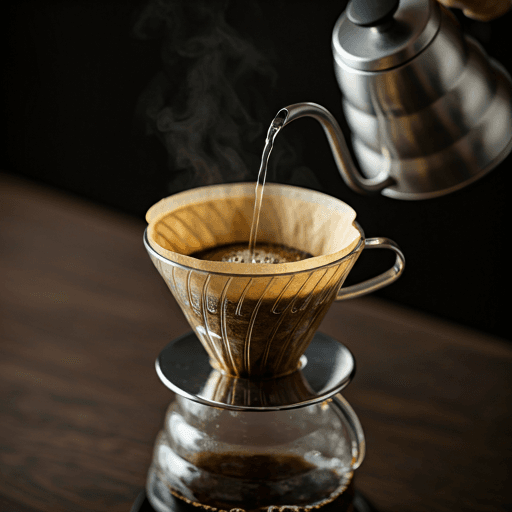
Cuban coffee is strong, dark moka-pot coffee whipped with sugar into a thick, pale foam called espuma, then poured back into the brew so the foam rises to the top. The single sweet shot is known as a cafecito (or cafe cubano), and the whole trick is beating the very first, most concentrated drops of coffee into the sugar. This guide is the hands-on recipe: what you need, the step-by-step method, the espuma technique, and the wider drink family.
It looks like magic in a tiny cup, but a cafecito is genuinely easy to make at home. You do not need an espresso machine. A humble stovetop moka pot, a spoon and a little patience are enough. Below is exactly how to make Cuban coffee, plus a quick ratio table and the variations worth knowing.
What is Cuban coffee?
Cuban coffee comes from Cuba, where strong, sweet coffee is a daily ritual served in small shots. At its core it is espresso-style coffee, traditionally brewed in a stovetop moka pot, sweetened so heavily that the sugar is whipped into a creamy caramel-colored foam rather than just stirred in. That foam is the espuma, and it is what sets a cafecito apart from a plain sweetened espresso.
This page owns the recipe and the technique. If you want the full story of the drink, its names and the ventanita (walk-up window) culture around it, our companion explainer on cuban espresso and cafecito covers all of that. For the underlying shot itself, see espresso explained.
What you need
The beauty of this Cuban coffee recipe is that the kit is minimal and the ingredients are pantry staples.
- A stovetop moka pot — the traditional tool. A 3-cup or 6-cup aluminum moka pot is ideal for one to a few cafecitos.
- Dark-roast coffee, finely ground — a fine, espresso-style grind. Traditional Cuban-style brands such as Cafe Bustelo or Pilon are finely ground dark roasts made for exactly this.
- Sugar — plain white granulated sugar, and traditionally a generous amount. Start with about a teaspoon or two per shot and adjust to taste.
- A small sturdy cup and a spoon — a metal or thick ceramic cup you can beat against, plus a teaspoon to whip the espuma. A demitasse or small espresso cup (about 2 to 3 oz) is the classic serving size.
How to make Cuban coffee (cafecito), step by step
The method has one moment that matters above all others: catching the first dark drops of coffee and beating them into the sugar. Everything else is straightforward moka-pot brewing.
- Fill the base with water. Pour fresh water into the bottom chamber up to the level of the safety valve — no higher. The valve must stay clear.
- Add the coffee. Fill the metal filter basket with fine dark-roast coffee. Level it off but do not tamp or press it down; a packed basket can choke the flow and over-pressurize the pot.
- Add sugar to your cup. Put your sugar (a teaspoon or two per shot) into the small serving cup or a separate measuring cup. This is where the espuma is built.
- Assemble and heat gently. Screw the pot together, set it on the stove over medium heat, and leave the lid open so you can watch. Do not rush it with high heat — a slower brew gives a richer, less bitter shot.
- Catch the first drops. As the pot starts to gurgle, the first coffee out is the darkest and most concentrated. Spoon roughly the first teaspoon or so of this coffee straight onto the sugar in your cup, then move the rest of the pot off the heat for a moment if needed so you do not lose those drops.
- Whip the espuma. Beat the sugar and that first hot coffee vigorously with a spoon. In a minute or two it turns from wet grains into a pale, thick, caramel-colored paste — light brown and almost foamy. You genuinely cannot over-beat it, so keep going until it is creamy.
- Finish brewing. Return the pot to low heat and let it finish. Take it off the moment the top chamber is full and it starts to splutter — you do not want it to boil hard.
- Combine. Slowly pour the rest of the hot coffee into the cup over the espuma, stirring gently. The foam loosens and rises to float on top as a glossy, tan crema. Serve at once, while it is hot and foamy.
The espuma technique, in one line
Whip the first drops while they are hottest and most concentrated, beat the sugar to a pale creamy paste before the rest of the coffee goes in, and pour gently so the foam rises rather than collapses. That is the whole secret to a proper cafecito.
Cuban coffee recipe at a glance
| Element | What to use | Why |
|---|---|---|
| Coffee | Dark roast, fine espresso grind | Bold, concentrated base that stands up to sugar |
| Brewer | Stovetop moka pot | The traditional tool; makes thick espresso-style coffee |
| Sugar | About 1-2 tsp white sugar per shot | Whipped with coffee to make the espuma foam |
| Espuma coffee | The first ~1 tsp of brew | Hottest and most concentrated, so it whips best |
| Heat | Medium, then low; never a hard boil | Avoids a bitter, sputtering, over-extracted shot |
| Serving | Small 2-3 oz demitasse cup | Cafecito is an intense little shot, not a mug |
The Cuban coffee drink family
Once you can make a cafecito, you can make the whole family — they are all built on the same sweet espuma shot. These are quick definitions; the full cultural rundown lives in our companion cafecito explainer.
- Cafecito (cafe cubano) — the sweet single shot with espuma. The starting point for everything else.
- Colada — a larger batch of cafecito served in a foam cup with a stack of tiny plastic thimble cups, meant to be shared around a group.
- Cortadito — a cafecito "cut" with a little steamed or warm milk, roughly half coffee, half milk. Smoother and slightly milder.
- Cafe con leche — mostly hot or steamed milk with a shot of Cuban coffee stirred in, usually with the espuma sweetness. A breakfast drink, often with toast for dunking.
Tips for the best cafecito
- Grind fine and roast dark. A fine grind and a dark roast give the concentrated, full-bodied coffee the style depends on. Pre-ground Cuban-style coffee is made for this.
- Whip while it is hottest. The first drops carry the most sugar-dissolving heat and the most coffee oils, so beat them immediately for the lightest, creamiest espuma.
- Do not let it boil hard. Pull the pot off the heat as soon as it gurgles and the upper chamber fills. A pot left to boil and sputter turns bitter and burnt.
- Loosen a stiff espuma. Some make the foam with the first drops alone; if it feels stiff, a few extra drops of coffee whip it into a silkier paste.
- Serve small and fresh. Cafecito is meant to be a quick, intense shot. Pour it the moment it is combined, before the foam settles.
Is Cuban coffee strong? A note on caffeine
Yes — this is real coffee, so a cafecito carries normal caffeine. Because it is brewed dark and concentrated in a moka pot and served as a small shot, it tastes (and hits) intensely, but the caffeine in a single demitasse is in the same ballpark as a shot of espresso rather than a giant mug. The heavy sugar is for flavor and the foam, not a stimulant. If you are watching your intake, treat one cafecito like one espresso shot.
Keep exploring
A cafecito is one of the most rewarding small rituals in coffee: a stovetop pot, a spoonful of sugar whipped to a foam, and a tiny cup that wakes you right up. Once you have the espuma down, try a cortadito or a cafe con leche, or branch out into the wider world of espresso-based drinks. Our guides on types of coffee drinks and how to make espresso at home are good next stops.