
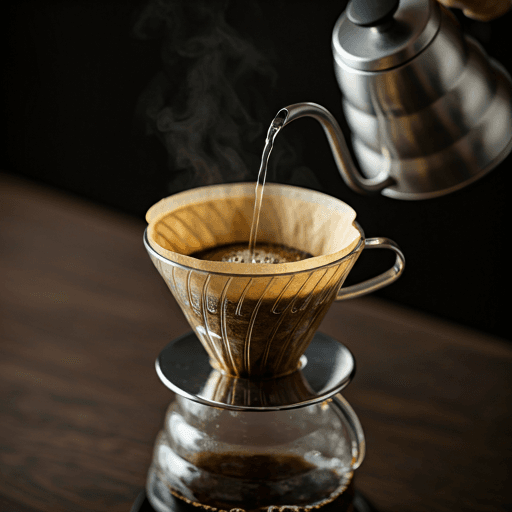
Set a glass of cold brew next to a mug of drip coffee and you are looking at two very different roads to the same bean. The whole cold brew vs drip coffee question comes down to two simple levers: water temperature and time. Cold brew steeps coarsely ground coffee in cold or room-temperature water for hours, then filters it. Drip coffee sends hot water through a medium grind in a paper or metal filter in a few minutes. Same coffee, opposite methods, and two cups that taste worlds apart.
The short answer
Put simply: cold brew is a long cold steep that tastes smooth and mellow, while drip is a quick hot brew that tastes bright and lively. Cold brew soaks coarse grounds in cool water for roughly 12 to 24 hours and produces a low-acid, naturally sweet, concentrated coffee that is usually served cold. Drip coffee drips near-boiling water through a filter bed in three to five minutes, giving a clean, aromatic hot cup you drink right away.
That is the headline. If you want the full ground-up definitions and step-by-step methods, we keep those on dedicated pages: what cold brew coffee is and what drip coffee is. This guide stays focused on how the two stack up side by side, so you can pick the one that fits the day.
Cold brew vs drip coffee: how each is made
The difference between cold brew and drip coffee starts at the very first step and never really lets up. Both are non-espresso ways to make coffee, so neither needs a pump or high pressure, yet almost every other variable diverges. Here is what changes across the two methods.
Water temperature
This is the defining split. Cold brew uses cold or room-temperature water, so the grounds are never heated. Drip coffee relies on hot water, ideally somewhere around 90 to 96 C (about 195 to 205 F), poured or dripped over the bed. Temperature drives how fast and how completely flavour, acid and caffeine dissolve out of the coffee, which is the root reason the two cups end up so different in the glass.
Grind size
Cold brew wants a coarse grind, closer to raw sugar or coarse breadcrumbs, because the grounds sit in water for a long time and a fine grind would over-extract and turn muddy or bitter. Drip coffee uses a medium grind, roughly the texture of table salt, matched to its short contact time. Grind size and brew time always move together: long steeps take a coarser grind, quick brews take a finer one.
Brew time
Time is the other big lever. Cold brew is a patience game: most recipes steep for about 12 to 24 hours, often in the fridge or on the counter. Drip coffee is done in minutes, usually three to five, as hot water passes through the grounds and drains into the pot below. One method is measured in hours, the other in minutes.
Equipment
Drip coffee typically comes from an automatic drip machine or a manual pour-over cone fitted with a paper or metal filter. Cold brew needs little more than a jar, a steeping vessel or a dedicated cold brew maker, plus a fine filter or cloth to strain the grounds out at the end. Neither method calls for the specialised, pressurised gear an espresso setup demands, which keeps both approachable at home.
Flavour and acidity
Because hot water pulls out more of the acidic and aromatic compounds, drip coffee tends to taste bright, crisp and aromatic, with the lively acidity and floral or fruity notes many single-origin coffees are prized for. It is the cup that fills the kitchen with aroma the moment it brews, and it shows off a bean's character while it is fresh.
Cold brew, steeped without heat, generally extracts fewer of those sharp acids, so it usually comes across as smoother, rounder and often naturally sweeter, with mellow chocolate or nutty tones. Its body can feel a touch heavier and silkier too. Many people who find hot coffee too sharp reach for cold brew for exactly this reason, though how acidic or sweet a cup feels varies with the beans, roast level, ratio and your own palate, so treat these as general tendencies rather than fixed rules.
If your real question is how cold brew compares to a plain glass of iced coffee rather than to hot drip, that is a slightly different match-up, and we break it down in cold brew vs iced coffee.
Is cold brew stronger than drip? The caffeine question
The honest answer to "is cold brew stronger than drip" is that it depends on how you serve it. Cold brew is often made as a concentrate using a high coffee-to-water ratio, so straight from the jar it can taste and feel very strong. But that concentrate is usually diluted with water, milk or ice before you drink it, which brings the strength back down. So the caffeine in your actual glass depends on the ratio you brew at and how much you cut it afterwards.
Drip coffee is not diluted after brewing, so its strength comes down to your dose of grounds and your cup size. A standard mug of drip and a well-diluted cold brew can land surprisingly close on caffeine. Any milligram figures floating around online are broad averages, so hedge them: exact caffeine varies with the beans, grind, ratio and brew length. If you are watching your intake for sleep, caffeine sensitivity, pregnancy, breastfeeding or a medication, ask your own healthcare provider, since responses vary and this is not medical advice.
For the espresso side of the strength debate, where a small pressurised shot changes the maths entirely, see cold brew vs espresso, which handles that comparison directly.
Hot versus cold: serving and convenience
Serving temperature is a practical fork in the road. Drip coffee is built to be enjoyed hot and fresh, ideally within an hour of brewing before it turns flat and stale. It is fast on demand: grind, brew and drink in under ten minutes, which suits a busy morning or an office routine where you want a cup right now.
Cold brew flips the convenience equation. It takes half a day to make, but once brewed it keeps well in the fridge for several days, so a single batch can cover a whole week of glasses over ice. It is almost always served cold, though some people warm the concentrate with hot water for a mellow, low-acid hot cup. In short, drip rewards spontaneity while cold brew rewards planning ahead, and knowing which mode you are in often decides the method for you.
Cold brew vs drip coffee at a glance
This table sums up where the two methods part ways, from the water you start with to the glass you finish in.
| Attribute | Cold brew | Drip coffee |
|---|---|---|
| Water temp | Cold or room temperature | Hot, about 90 to 96 C (195 to 205 F) |
| Brew time | About 12 to 24 hours | About 3 to 5 minutes |
| Grind | Coarse | Medium |
| Acidity | Lower, smoother, often sweeter | Brighter, crisper, more aromatic |
| Served | Usually cold, often diluted | Usually hot and fresh |
Which one should you choose?
Neither method wins outright; they simply suit different moods and moments. Choose drip coffee when you want a hot cup quickly, love aroma and brightness, or want to taste the character of a particular single-origin bean at its most vivid. Choose cold brew when you prefer a smooth, low-acid, easy-sipping glass, like batch-brewing ahead for the week, or find that hot coffee sits a little harshly with you.
Plenty of people keep both in rotation: drip for the fast hot morning cup and a jar of cold brew waiting in the fridge for warm afternoons. Once you understand that the entire cold brew vs drip coffee difference comes down to temperature and time, you can pick whichever fits the day, and even brew the same bag of beans both ways to see how one roast can taste like two entirely different coffees.