
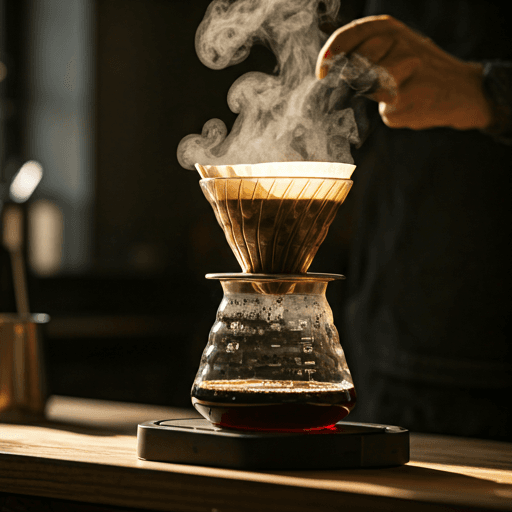
Good coffee and bakery pairings come down to three simple ideas: match the strength of the coffee to the richness of the bake, balance bitter against sweet, and echo flavours that already belong together. Get those right and a plain croissant or a square of brownie can make an ordinary cup taste deliberate. Below is how to choose what to eat with your coffee, plus the classic combinations that have stood the test of time.
This is a pairing guide, not a recipe. If you want to bake the cake itself, the coffee and walnut cake recipe is a separate read. Here we focus on the match between cup and counter.
The three principles behind coffee and bakery pairings
You do not need a tasting certificate to pair well. Nearly every great combination follows one of three patterns. Learn these and you can improvise with whatever is on the cafe counter.
1. Match intensity
The biggest mistake is a mismatch in weight. A bold dark roast or a shot of espresso has the body to stand up to rich, dense, buttery, or chocolatey bakes. A light filter coffee or a delicate pour-over is easily flattened by a heavy chocolate torte, but it sings next to something airy and fruity. Think of it like volume: you want the coffee and the pastry talking at the same level, so neither shouts over the other.
2. Balance sweetness
Most baked goods are sweet, and coffee is naturally bitter, so the two are built to balance. A bitter espresso resets your palate between bites of a sugary pastry, which is why tiny strong coffees and very sweet treats are a worldwide habit. The flip side is acidity: a bright, juicy coffee can cut through a fatty, creamy bake the way a squeeze of lemon lifts a rich dish. Pair a high-acidity coffee with cheesecake or a custard tart and the tartness keeps the richness from feeling heavy.
3. Complement flavours
The third move is to echo notes that are already in the cup. Nutty, chocolatey, caramel-leaning coffees love bakes built on the same flavours: hazelnut, almond, toffee, dark chocolate. Bright, fruity coffees with berry or citrus notes flatter fruit Danishes, lemon cakes, and berry muffins. You are not adding a contrast here; you are doubling down on a flavour both items share, so the pairing tastes harmonious rather than busy.
Classic coffee and bakery pairings, and why they work
Here are the combinations baristas reach for again and again. None of these is a rule, but each one is a reliable starting point.
- Espresso + biscotti or almond cantuccini. Cantucci, the twice-baked almond biscuits from Tuscany, are deliberately hard and dry. Dunking them in a short, intense espresso softens the crunch and the bitter coffee balances the sweet, nutty biscuit. A textbook intensity-and-sweetness match.
- Cappuccino or latte + a buttery croissant. Milky, mellow coffees mirror the soft, laminated butter of a croissant. Neither overpowers the other, and the foam and flaky layers share the same gentle, comforting register. An almond croissant adds a nutty echo that suits a milk-based drink even more.
- Dark roast + chocolate cake or a brownie. Roasty, bittersweet coffee and deep cocoa speak the same language. The coffee's bitterness keeps a fudgy brownie from cloying, while the chocolate softens the roast. Caramel slices and sticky toffee work here too.
- Filter or pour-over + a fruit Danish or lemon cake. A lighter, brighter coffee with lively acidity lifts the fruit and cuts the buttery pastry. The citrus or berry in the bake meets the fruit notes in the cup, so the two reinforce each other.
- Cold brew + a sticky cinnamon roll. Cold brew is smooth, low in acidity, and faintly sweet, which makes it a calm counterweight to a warm, spiced, sugar-glazed bun. The coffee stays in the background and lets the cinnamon shine.
- Flat white + banana bread. Silky microfoam over a strong espresso base suits dense, lightly spiced, nutty bakes like banana bread or carrot cake. The drink is rich enough to keep up without burying the flavour.
- Black filter or americano + a plain scone or shortbread. When the bake is simple butter and crumb, an unsweetened black coffee lets it shine. Clean and uncomplicated on both sides.
Coffee and bakery pairing table
Use this as a quick reference when you are standing at the counter deciding what to eat with coffee.
| Coffee style | Bakery match | Why it works |
|---|---|---|
| Espresso / ristretto | Biscotti, cantuccini, dark chocolate | Intense, bitter coffee stands up to crisp, sweet, nutty bites; dunking softens the biscuit |
| Cappuccino / latte | Butter or almond croissant | Milky, mellow coffee mirrors soft, buttery, flaky pastry |
| Dark roast filter | Chocolate cake, brownie, caramel slice | Roasty, bittersweet notes echo cocoa and caramel and balance the sugar |
| Light / medium pour-over | Fruit Danish, lemon drizzle, berry muffin | Bright acidity cuts richness and lifts fruit flavours |
| Cold brew | Cinnamon roll, sticky bun | Smooth, low-acid, faintly sweet coffee balances spiced sugar |
| Flat white | Banana bread, carrot cake | Silky milk and espresso suit dense, nutty, lightly spiced bakes |
| Americano / black filter | Plain scone, shortbread | Clean, unsweetened coffee lets simple butter and crumb shine |
The coffee bakery and the coffee-and-cake ritual
Pairing is not only about flavour chemistry. Half the pleasure is the ritual. Walk into almost any good coffee bakery and the smell of fresh pastry is part of the draw, sitting right beside the smell of coffee. The pastry counter, sometimes tucked into the coffee corner bakery at the front of a shop, is where a lot of these pairings get invented on the spot: you order a drink, something in the glass case catches your eye, and a combination is born.
Some cultures have turned this into a named tradition. In Sweden, fika is the daily pause for coffee and a sweet bite, usually shared with other people and never rushed. The cinnamon bun is practically the national pastry of the fika table. The idea travels well: across the world, a coffee and a slice of cake is shorthand for slowing down, catching up, and taking a real break. The pairing is as much social as it is culinary.
One useful note to avoid confusion: American-style "coffee cake" is a streusel-topped crumb cake that contains no coffee at all. It is named for being eaten with coffee, not for being made with it. That makes it a perfect pairing partner rather than a coffee-flavoured bake. A British coffee and walnut cake, by contrast, actually tastes of coffee. Both belong on the pairing menu, just for different reasons.
How to build your own pairing
Once the principles click, you can pair anything. Run through this short checklist when you are not sure what to eat with your coffee:
- Weigh the cup. Is your coffee light and bright or dark and heavy? Match a delicate bake to a delicate coffee, and a rich bake to a strong one.
- Find the dominant flavour. Chocolate, caramel, and nut go with deeper roasts; fruit and citrus go with brighter coffees.
- Decide contrast or echo. Use bitterness or acidity to cut a sweet, rich bake, or echo a shared note for harmony. Either works; just choose one on purpose.
- Think about texture. Dry, crunchy bakes (biscotti, shortbread) love to be dunked; soft, creamy bakes pair better with a coffee you sip alongside.
- Mind the milk. Milk-based drinks soften and round out, so they flatter spiced and buttery bakes; black coffee keeps everything crisp and lets subtle flavours through.
If you are still learning the drinks themselves, the types of coffee drinks guide is a handy companion. Knowing the difference between a flat white and a cappuccino makes the pairing choices above far easier to picture.
The takeaway
Coffee and bakery pairings reward a little intention and almost no fuss. Match intensity, balance sweet against bitter, and echo a shared flavour, and you have a working method rather than a memorised list. The classics are a great place to start, but the best part is wandering up to a counter, looking at what is fresh that day, and trusting the principles to guide you. Next time you order, give it a moment of thought, and let the pause itself be part of the pleasure.