
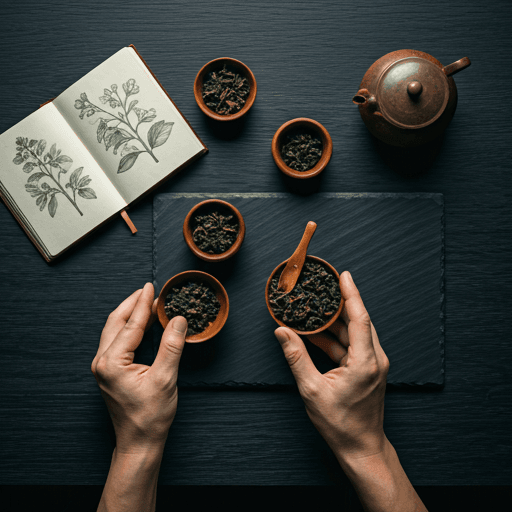
Chrysanthemum tea is a caffeine-free floral infusion made by steeping dried chrysanthemum flowers in hot water. Known as juhua (菊花) and long popular in Chinese tea culture, it pours a pale gold color with a light, sweet, honey-like floral taste. Traditionally it is valued as a cooling, calming drink, and below we cover what it is, how to make it, its commonly cited benefits, and who should be careful with it.
A quick note before we begin: this is general information, not medical advice. Chrysanthemum tea is a pleasant everyday drink, not a treatment. If you have a health condition, are pregnant, take regular medication, or have plant allergies, consult a clinician before adding any herbal tea to your routine.
What is chrysanthemum tea?
Chrysanthemum tea is a tisane, which means it is an herbal infusion rather than a true tea from the Camellia sinensis plant. Because it contains no leaves from that plant, it is naturally caffeine-free. The flowers most often used are small white or yellow cultivars (often sold as hangbaiju or gongju), picked and dried for brewing. Good dried flowers look like closed or half-open buds; fully opened blooms are pretty but have usually lost much of their aroma and flavor.
In Chinese tea culture, chrysanthemum is one of the classic floral tisanes, sitting alongside flowers like osmanthus and jasmine. It can be enjoyed on its own, blended with green or pu-erh tea, or paired with goji berries and a little rock sugar. When it is blended with green tea, remember that the green tea brings its own caffeine, so the cup is no longer caffeine-free.
If you are new to flower- and herb-based brews in general, our guide to herbal tea explains how tisanes differ from true teas, and our overview of Chinese tea places chrysanthemum within the wider world of green, white, oolong, black, and dark teas.
How to make chrysanthemum tea
Brewing is simple and forgiving. The flowers are delicate, so use water that is just off the boil rather than a rolling boil, which can scald them and turn the cup bitter.
- Measure the flowers. Use roughly a small handful (about 5 grams, or 8 to 10 dried buds) for a small pot or two cups of water.
- Rinse, optionally. A quick splash of hot water over the flowers, poured off after a few seconds, rinses away dust. This step is optional.
- Heat the water. Aim for water just under boiling, around 195 to 205°F (90 to 96°C).
- Steep. Pour the water over the flowers and let them steep for about 3 to 5 minutes. The longer it sits, the deeper and more herbal it tastes.
- Sweeten lightly, if you like. A little rock sugar or honey rounds out the flavor. A few goji berries added to the pot are a traditional pairing that lends a gentle sweetness.
- Re-steep. Quality dried flowers can be topped up with hot water for two or three more infusions.
It is lovely hot, and equally good chilled over ice in warm weather, when its cooling reputation feels most fitting.
Chrysanthemum tea benefits, traditionally and today
Most of chrysanthemum tea's reputation comes from traditional Chinese medicine, where it is classed as a cooling herb used to "clear heat." In that framework it is traditionally taken to soothe tired or strained eyes, ease headaches and dizziness, and calm the kind of "heatiness" associated with hot weather or stress. These are traditional uses, not proven medical outcomes, so it helps to hold them lightly.
From a modern standpoint, chrysanthemum flowers contain plant compounds such as flavonoids and other antioxidants, and the flowers also supply small amounts of eye-friendly carotenoids like lutein. Early and limited research suggests these compounds may have antioxidant activity, but the evidence in people is thin, and you should not expect a cup of tea to deliver concentrated effects. What chrysanthemum tea reliably offers is a warm, caffeine-free, low-calorie drink with a calming ritual, which is a genuine benefit in itself.
Here is a quick reference to the main aspects of chrysanthemum tea.
| Aspect | What to know |
|---|---|
| What it is | A caffeine-free tisane of dried chrysanthemum flowers (juhua), traditional in Chinese tea culture. |
| Taste and color | Pale gold; light, sweet, honey-like floral flavor that deepens the longer it steeps. |
| Caffeine | Naturally caffeine-free on its own; blends with green or other true tea carry that tea's caffeine. |
| Traditional uses | Cooling, calming drink; traditionally taken for tired eyes, headaches, and to "clear heat." |
| Modern view | Contains antioxidant plant compounds; human evidence is early and limited. No cure or disease claims. |
| Common pairings | Rock sugar, honey, goji berries; sometimes blended with green or pu-erh tea. |
| Main cautions | Daisy/ragweed-family allergy; ask a clinician in pregnancy; honey not for infants under one. |
Caffeine and who should be cautious
On its own, chrysanthemum tea is caffeine-free, which makes it a good choice in the evening or for anyone limiting caffeine. Just remember that any blend pairing it with green tea, oolong, or pu-erh will carry that true tea's caffeine, so check the label if a caffeine-free cup matters to you.
A few groups should take care:
- Allergy sufferers. Chrysanthemum belongs to the Asteraceae (daisy) family, which also includes ragweed, marigold, and chamomile. If you react to those plants, you may react to chrysanthemum, so approach it cautiously or skip it.
- Pregnancy and breastfeeding. There is not enough reliable evidence on chrysanthemum tea here, so avoid large amounts and check with a clinician first.
- Infants. If you sweeten with honey, never give honey to a child under one year old.
- People on medication or with health conditions. As with any herbal tea, mention it to your clinician if you take regular medicines.
To say it plainly once more: this is general information, not medical advice. Enjoy chrysanthemum tea as a drink, and consult a clinician for anything health-related.
How it compares to other floral and herbal teas
Chrysanthemum sits in a family of caffeine-free floral and herbal infusions, each with its own character. Tart, ruby-red hibiscus tea is bright and sour where chrysanthemum is soft and sweet. Apricot-scented osmanthus and fragrant jasmine are other floral classics worth exploring, each leaning more perfumed than chrysanthemum's gentle honey note. If you want to understand where all of these fit relative to green, black, and oolong, our breakdown of the types of tea is a good map.
The bottom line
Chrysanthemum tea is one of the easiest, most soothing tisanes to keep on hand: caffeine-free, gently sweet, and steeped in centuries of Chinese tea tradition. Brew a few dried flowers in just-off-boil water, sweeten lightly if you like, and enjoy it hot or iced. Treat the traditional benefits as the cultural wisdom they are rather than medicine, mind the daisy-family allergy note, and you have a calming cup to return to again and again. From here, you can wander deeper into the world of floral and herbal infusions and find the next caffeine-free cup worth steeping.