
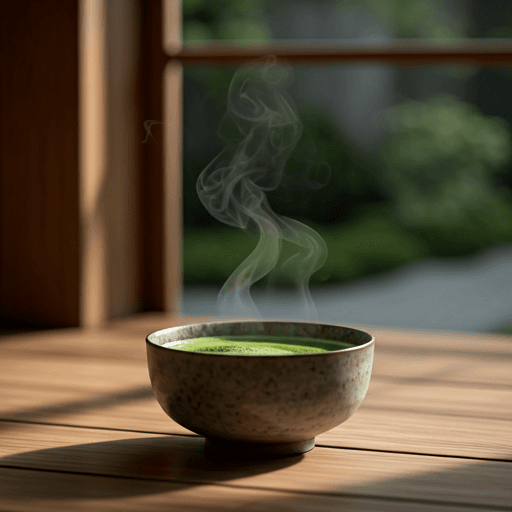
Chinese tea is tea grown, made, and enjoyed in the Chinese tradition, and because China is the birthplace of the tea plant it is also the original source of nearly every true tea on earth. All real tea comes from one evergreen shrub, Camellia sinensis, first cultivated in China thousands of years ago. What turns that single plant into green, white, oolong, or dark tea is not the leaf but the processing, and Chinese tea makers were the first to master every step of it.
This guide explains what Chinese tea actually is: the six traditional categories, a handful of famous teas worth knowing by name, the gongfu way of brewing, and how to steep each type so it tastes its best.
What is Chinese tea?
Chinese tea refers to teas produced in China from the leaves of Camellia sinensis, classified by how the fresh leaf is handled after picking. The defining variable is oxidation (sometimes loosely called fermentation), the natural browning that happens when leaf cells are bruised and exposed to air, much like a sliced apple turning brown. Heat the leaf early and you lock in a fresh, green character. Let it oxidise fully and you get a dark, malty cup. Everything in between is a deliberate choice by the maker.
That single idea, controlling oxidation, gives rise to the six families of Chinese tea. They are not six different plants; they are six different ways of treating the same leaf. For the wider, country-neutral picture of how tea is sorted worldwide, see our overview of the main types of tea, and for the botany behind it all, read about the tea plant itself.
The six categories of Chinese tea
China organises tea into six classes, traditionally named by the colour of the finished leaf or liquor. They run roughly from least oxidised to most, with dark tea standing slightly apart because it is microbially fermented rather than simply oxidised.
| Category | Oxidation | Famous example | Character in the cup |
|---|---|---|---|
| Green (lucha) | None (heat-fixed) | Longjing (Dragon Well) | Fresh, grassy, nutty, light |
| White (baicha) | Very light, mostly withered and dried | Silver Needle (Baihao Yinzhen) | Delicate, sweet, hay and melon |
| Yellow (huangcha) | Light, with a slow "sealed yellowing" step | Junshan Yinzhen | Mellow, smooth, less grassy than green |
| Oolong (wulong) | Partial, roughly 10-85% | Tieguanyin, Da Hong Pao | Floral to roasted, complex, layered |
| Black / red (hongcha) | Full | Keemun, Lapsang Souchong | Malty, robust, sometimes smoky |
| Dark (heicha) | Fermented and aged | Pu-erh | Earthy, deep, smooth, often aged |
Green tea
Green tea is heated soon after picking, by pan-firing or steaming, to halt oxidation and preserve the leaf's fresh green flavour. China's most celebrated green is Longjing (Dragon Well) from West Lake in Hangzhou, prized for its flat, jade-coloured leaves and chestnut sweetness. Greens are the everyday tea of much of China.
White tea
White tea is the least handled of all: young buds and leaves are simply withered and dried, with no firing or rolling. Silver Needle (Baihao Yinzhen) from Fujian is made of plump downy buds and tastes soft and faintly sweet. Because it is so gentle, white tea rewards careful, lower-temperature brewing.
Yellow tea
Yellow tea is the rarest of the six. It begins like a green tea but adds a slow, gentle "sealed yellowing" step (men huang), where the warm, damp leaves rest under cloth or paper. That mellows the grassy edge and gives a smoother, rounder cup. Junshan Yinzhen is the classic example. Genuine yellow tea is increasingly hard to find, even within China.
Oolong tea
Oolong (wulong) is partially oxidised, anywhere from about 10% to 85%, which is why no two oolongs taste alike. Light, floral styles such as Tieguanyin from Anxi sit near the green end, while roasted Wuyi "rock" oolongs like Da Hong Pao are darker and toastier. Oolong is the showpiece of Chinese tea craft, and we cover it in depth in our oolong tea guide.
Black tea (called red tea in China)
What the world calls black tea, China calls red tea, or hongcha, after the reddish colour of the brewed liquor. It is fully oxidised, giving a bold, malty cup. Keemun from Anhui is smooth and wine-like; Lapsang Souchong from Fujian is famously smoke-dried over pinewood. China invented black tea, and these styles helped shape global tea taste.
Dark tea (heicha and Pu-erh)
Dark tea, or heicha, is set apart by true microbial fermentation and ageing, not just oxidation. The most famous is Pu-erh from Yunnan, sold as loose leaf or pressed into cakes and bricks. It comes in two forms: raw (sheng), which matures slowly over years, and ripe (shou), which is fermented faster to reach a smooth, earthy depth. Good Pu-erh can be aged like wine.
Famous Chinese teas worth knowing
A short shortlist of names you will meet again and again:
- Longjing (Dragon Well) - the benchmark Chinese green, flat-leaved and sweet.
- Silver Needle (Baihao Yinzhen) - the premium white, all buds and downy fuzz.
- Tieguanyin (Iron Goddess of Mercy) - the classic floral oolong from Anxi.
- Da Hong Pao (Big Red Robe) - a prized roasted rock oolong from the Wuyi cliffs.
- Keemun - an elegant black (red) tea, a backbone of many breakfast blends.
- Lapsang Souchong - the smoky pinewood-dried black tea.
- Pu-erh - the aged, fermented dark tea from Yunnan.
Gongfu cha: the Chinese way of brewing
The most distinctive Chinese tea ritual is gongfu cha, which translates roughly as "making tea with skill." Instead of one long steep, you use a lot of leaf, a little water, and many short infusions, drawing out the tea's character cup by cup. The leaves are brewed in a small gaiwan (a lidded bowl) or a tiny clay teapot, then poured into a sharing pitcher and served in cups that hold only about 30-70 ml.
The point is control and attention. Small vessels and short steeps let you taste how a tea changes from the first infusion to the fifth or tenth, and they keep strong teas from turning bitter. A common starting ratio is roughly 5 grams of leaf per 100 ml of water, with the first steeps lasting only 10-20 seconds and each later one extended a little. Many people give compressed or tightly rolled teas a quick "rinse" (a few seconds of hot water poured off) to wake the leaves before the first real infusion.
How to brew Chinese tea well
You do not need a full ceremony to brew Chinese tea properly. Whether you use a gaiwan or a simple mug and a strainer, two things matter most: good loose leaf and the right water temperature. Delicate green and white teas scorch in boiling water, while oolong, black, and dark teas need real heat to open up.
| Tea type | Water temperature | Notes |
|---|---|---|
| Green | 75-85°C (167-185°F) | Off the boil; too hot turns it bitter |
| White | 80-85°C (175-185°F) | Gentle heat, slightly longer steeps |
| Yellow | 80-85°C (175-185°F) | Treat like a mellow green |
| Oolong | 90-95°C (194-203°F) | Hotter for roasted styles like Da Hong Pao |
| Black / red | 90-95°C (194-203°F) | Bold and forgiving |
| Dark / Pu-erh | 95-100°C (203-212°F) | Full boil; rinse the leaves first |
A few simple habits go a long way:
- Start with loose leaf. Whole leaves unfurl and re-steep far better than dust in a bag.
- Mind the temperature. Let the kettle cool a minute or two for green and white tea.
- Keep early steeps short. You can always steep longer; you cannot un-bitter a cup.
- Re-steep good leaf. Quality Chinese tea gives several infusions, each a little different.
For the full technique with any whole-leaf tea, see our walkthrough on how to brew loose leaf tea.
Caffeine and the "herbal" question
All six categories are true teas from Camellia sinensis, so all contain caffeine. The amount varies with the tea and how you brew it rather than following a tidy colour rule, though lightly steeped greens and whites tend to feel gentler than a strong, long-steeped black or Pu-erh. Brewing temperature, leaf quantity, and steep time all push caffeine up or down.
Many drinks sold as "Chinese tea" are not tea at all but herbal infusions, or tisanes, made from flowers, roots, or other plants. Chrysanthemum (juhua), a caffeine-free floral infusion, is a classic example often enjoyed for its cooling, mellow character. These are worth exploring on their own terms, but they sit outside the six true-tea categories.
Where to go from here
Chinese tea is less a single drink than a whole library, six families built from one plant and centuries of craft. The best way in is to taste across the categories: a fresh green, a floral oolong, an aged Pu-erh, and notice how processing alone reshapes the same leaf. Brew it patiently, steep it more than once, and let each infusion teach you something. From here, branch into the oolong guide, the tea-plant story, or the wider world of tea types, and keep tasting your way around the cup.