
Order a milky coffee in a cafe in Spain and then again in France, and you will likely be handed two cups that look almost identical. The cafe con leche vs cafe au lait question comes up precisely because both names literally translate to "coffee with milk," and both are built from roughly equal parts strong coffee and hot milk. The real difference is not the idea behind the drink, but the coffee base underneath and the tradition each one grew out of. Get those two things straight and the rest falls into place quickly.
Cafe con leche vs cafe au lait: the short answer
Both drinks combine coffee and hot milk in close to a one-to-one ratio, finished with only a thin layer of foam rather than the thick cap you find on other milk-based coffees. The quickest way to tell them apart is the coffee itself. A cafe con leche usually leans on espresso or very strong stovetop coffee, while a cafe au lait is classically built on brewed or drip coffee. That single choice shapes how bold, how smooth, and how concentrated each cup tastes. Almost everything else about them, from the ratio to the minimal foam, is remarkably similar, which is exactly why they are so easy to confuse.
Are cafe con leche and cafe au lait the same drink?
They are close relatives rather than the same drink. If someone asks whether cafe con leche is the same as cafe au lait, the honest answer is that they share a concept, coffee cut with an equal measure of hot milk, but they come from different coffee cultures and usually different coffee bases. Spain and its wider sphere gave us the espresso-leaning con leche, while France gave us the drip-based au lait. Swap the milk into a foamier, larger drink and you drift toward a latte instead. So the two are siblings in the same family of milky coffees, each with its own accent, rather than two names for one recipe.
What each drink is
Cafe con leche
Cafe con leche is common across Spanish and Latin American coffee traditions, and it is generally made with espresso or a small measure of very strong coffee, then topped up with hot or lightly scalded milk. In many homes the coffee comes from a stovetop moka pot rather than a machine, but the character stays the same: a concentrated coffee base softened by warm milk. The milk is usually heated until it steams and poured in without much frothing, so the drink reads as smooth and rounded rather than airy. It is a fixture of the morning table, often taken with something to dunk. For the full story on the drink itself, the standalone guide goes deeper than a comparison can.
Cafe au lait
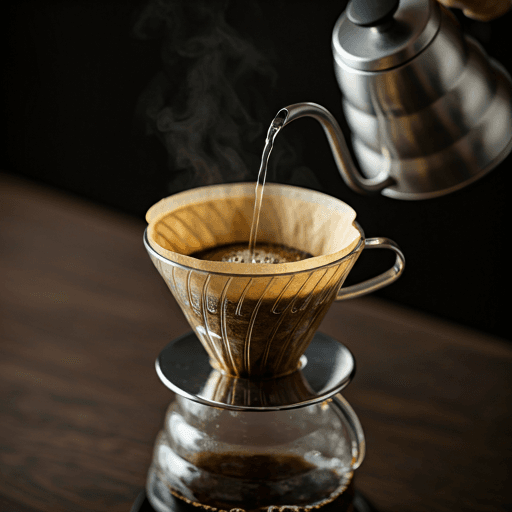
Cafe au lait is the French classic, and it traditionally starts from brewed coffee rather than espresso, though plenty of cafes use strong coffee or even espresso as the base. It is often served in a wide, bowl-like cup that is easy to cradle in both hands, especially at breakfast, where a slice of bread or a croissant might be dipped straight into it. Like its Spanish cousin, it pairs coffee with an equal or near-equal measure of hot milk and keeps foam to a minimum. Origins and exact recipes vary from region to region and cafe to cafe, so it helps to treat all of this as general patterns rather than strict rules.
Here is how the two compare at a glance:
| Attribute | Cafe con leche | Cafe au lait |
|---|---|---|
| Coffee base | Espresso or very strong stovetop coffee | Brewed or drip coffee, sometimes strong coffee |
| Milk | Hot or lightly scalded milk, little foam | Hot or steamed milk, little foam |
| Tradition | Spanish and Latin American | French |
| Strength | Often bolder and more concentrated | Often smoother and milder |
The difference between cafe con leche and cafe au lait in the cup
Once you taste them side by side, the difference between cafe con leche and cafe au lait becomes clearer. Because cafe con leche usually starts from espresso or very strong coffee, it tends to taste bolder, with a more concentrated, slightly bittersweet coffee note pushing through the milk. Cafe au lait, built on brewed or drip coffee, often tastes smoother and milder, with a gentler, more mellow flavor. These are tendencies rather than guarantees. A strong pot of drip coffee can rival an espresso base for intensity, and a heavy pour of milk can soften either cup considerably. How dark the roast is and how much milk you add will move the flavor as much as the brewing method does, so the same drink can land quite differently from one kitchen to the next.
The milk in each cup
Milk is where these two drinks are most alike. Both use hot milk, heated until steaming and stirred straight in, with little or no foam on top. That sets them apart from a latte, which is defined by a layer of silky microfoam and a larger proportion of steamed milk. In a cafe con leche or a cafe au lait, the goal is a warm, milky, comforting cup rather than a foamy one, which is part of why both are breakfast favorites. If you steam the milk to a light foam, you are still within the spirit of either drink, but the classic versions stay flatter and creamier. Whole milk gives the richest result, though any milk you like will work.
Caffeine in cafe con leche and cafe au lait
Caffeine depends almost entirely on the coffee base, so it is hard to pin to a single number. A cafe con leche built on a single or double shot of espresso carries roughly whatever caffeine those shots hold, while a cafe au lait made from a mug of brewed coffee draws its caffeine from the volume of coffee poured. As a rough idea, one espresso shot and a modest cup of drip coffee can land in a broadly similar range, but the exact figures shift with bean type, roast, grind, and brew strength. If you are watching your intake or are sensitive to caffeine, treat these as loose estimates and ask your own healthcare provider about anything health related. Responses vary from person to person, and this is not medical advice.
How they relate to a latte
Both drinks sit near a latte on the menu, but they are milkier in feel and far less foamy. A cafe latte uses espresso with a large volume of steamed milk and a defined foam layer, which gives it that soft, rounded coffee-shop texture. A cafe con leche shares the espresso base but keeps the milk flatter and the ratio closer to even, so it often reads as more coffee-forward. If you want a deeper look at where the Spanish drink and the espresso classic part ways, the cafe con leche and latte comparison breaks that down in detail.
Which one should you choose?
Comparing cafe au lait vs cafe con leche really comes down to the coffee you are in the mood for. Pick a cafe con leche when you want a bolder, espresso-driven cup with the coffee still clearly in charge under the milk. Reach for a cafe au lait when you want a mellower, drip-based bowl of coffee and milk that feels gentle and easygoing, the kind of thing to linger over at the breakfast table. Neither is better than the other; they are simply two regional answers to the same wish for coffee softened with hot milk. And because so much comes down to the coffee you brew and the milk you pour, you can nudge either cup in whatever direction suits your morning.