
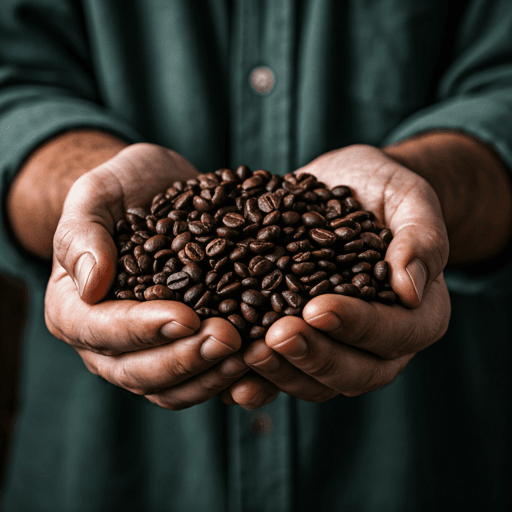
The honest answer to "what are the best coffee brands?" is that it depends on what you want from a cup — there is no single winner. The best coffee brands for you are the ones that roast the style you like, ship it fresh, and fit how you brew. This guide sorts the coffee world into clear categories, names well-known brands as factual examples (no rankings, no endorsements), and gives you a simple way to judge any brand so you can find coffee worth buying anywhere in the world.
Why "best coffee brands" is the wrong question to start with
Asking for the "best coffee brand" is a bit like asking for the best restaurant. The answer changes with your taste, your budget, and the occasion. A brand that makes a brilliant dark espresso blend might make a mediocre light single-origin, and the most famous name on the shelf is rarely the freshest. So instead of chasing a label, it helps to understand the categories that the coffee market falls into — then pick the one that matches your habits.
Most coffee you can buy falls into four broad groups: big global and supermarket roasters, specialty or third-wave roasters, single-serve and pod brands, and instant or ready-to-drink brands. Each group has different strengths. Once you know which group fits your life, picking a brand within it gets much easier. If you want a deeper foundation first, our explainer on what coffee beans actually are pairs well with this guide.
The big global and supermarket roasters
This is the coffee most people grow up with: widely distributed, consistent, and easy to find. The first wave of mass-market coffee was built on pre-ground, vacuum-packed cans — brands like Folgers and Maxwell House in the US still anchor that tradition. The second wave brought fresher, bagged coffee from cafe-style names such as Starbucks (its at-home grocery range) and Peet's. European roasters like Italy's Lavazza and Illy sit in this tier too, known for darker, espresso-leaning blends sold worldwide.
What you get from this category is reliability and availability. The same blend tastes roughly the same every time, and you can buy it almost anywhere. The trade-off is freshness and transparency: these are large-batch products built for long shelf life, so you will rarely see a roast date, and the coffee is usually a blend rather than a traceable single farm. For everyday drip or a familiar morning cup, that consistency is genuinely valuable. If you mostly want a dependable house coffee, this tier does the job.
Specialty and third-wave roasters
Third-wave coffee treats coffee like wine or craft beer — something with origin, vintage, and craft. Specialty roasters source higher-grade green beans (the Specialty Coffee Association uses a 100-point scale, with 80+ counting as "specialty"), roast in small batches, and print real detail on the bag: the farm or cooperative, the region, the altitude, the variety, and the processing method. In the US, names like Blue Bottle, Stumptown, Counter Culture, and Intelligentsia helped define this movement; nearly every country now has its own equivalents.
This is where the phrase "best coffee in the world" usually points, because the quality ceiling is highest here. The trade-off is that these brands cost more and the lighter roasts can taste unfamiliar if you grew up on dark, bitter blends. The honest secret of this category: a famous national specialty brand is not automatically better than a small local roaster down the road. In fact, a nearby roaster often wins on the one thing that matters most — freshness — because the bag was roasted days, not weeks, ago. For how to evaluate the beans themselves, see our companion guide on choosing good coffee beans.
Single-serve and pod brands
Pods trade some quality and freshness for speed and zero mess. Two systems dominate: Nespresso (Original and the larger Vertuo capsules) and Keurig's K-Cup. Crucially, "K-Cup" is a Keurig trademark, but many other brands make K-Cup-compatible pods — so the brand on the pod is not the same as the machine maker. The same is true for the wide world of Nespresso-compatible capsules. If convenience is your priority, the "best" pod brand is the one whose roast profile you enjoy in a system you already own. Look for reusable or recyclable pod options if waste matters to you, and remember that a refillable pod lets you use any fresh-ground coffee you like.
Instant and ready brands
Instant coffee has quietly improved. Beyond the familiar supermarket jars from brands like Nescafe, a wave of freeze-dried specialty and organic instants now offers a noticeable step up in flavor while staying cheap per cup and ultra-portable. Instant is the right tool for travel, the office drawer, or a fast cup with no equipment — not for chasing peak flavor. If you are curious how the granules are even made, our instant coffee explainer breaks it down.
How the categories compare at a glance
| Category | Best for | Main trade-off |
|---|---|---|
| Big global / supermarket roasters | Consistency, wide availability, familiar everyday coffee | Rarely fresh-dated; blends over traceable single farms |
| Specialty / third-wave roasters | Highest quality ceiling, origin transparency, distinctive flavor | Costs more; lighter roasts can feel unfamiliar |
| Local independent roasters | Freshness, asking questions in person, supporting nearby craft | Smaller range; you have to find one near you |
| Single-serve / pod brands | Speed, no mess, repeatable cups | Lower freshness and quality; pod waste unless reusable |
| Instant / ready brands | Travel, office, no equipment, low cost per cup | Lowest flavor ceiling of the four |
How to judge any coffee brand
Once you know your category, judge brands on the things that actually predict a good cup — not on marketing or fame. These signals work for any brand in any country.
- Roast date, not "best by." A printed roast date is the single best sign of a quality-focused brand. Coffee is at its best roughly 5 to 18 days after roasting and stays good for a few weeks; a vague "best by" date months away usually means shelf life was prioritized over flavor.
- Sourcing and traceability. Labels that name the farm, cooperative, region, altitude, and processing method show the producer values transparency and ethical sourcing. A bag that just says "100% Arabica" tells you very little.
- Whole-bean availability. Ground coffee starts losing aroma the moment it is exposed to air. Brands that offer whole beans (and let you grind fresh) almost always taste better.
- Match to your brew method. A coffee labeled for espresso, filter, or cold brew is dialed for that method. Buy to suit how you actually make coffee, not the other way around.
- Taste, then trust. The real test is the cup in front of you. If a brand consistently pleases your palate at a price you are happy with, that is your best coffee brand — regardless of its reputation.
Your quick how-to-choose checklist
- Decide your category: everyday consistency, specialty quality, pod convenience, or instant portability.
- Within that category, prefer brands that print a roast date.
- Check the label for real origin detail (farm, region, process).
- Buy whole bean if you have a grinder; buy to match your brew method.
- Before defaulting to a famous name, look for a local roaster — fresher beans often beat a bigger brand.
- Buy a smaller bag first, taste it, and let your own cup decide.
The takeaway on finding coffee worth buying
There is no universal "best coffee brand," and that is good news — it means the best coffee is within reach of almost any budget and habit. Pick the category that fits your life, lean on freshness and transparency to judge the brand, and let your own palate make the final call. More often than not, the freshest "best" coffee is roasted close to home, so it is worth checking who roasts near you before you settle on a label. From here, dig into how to choose great beans or explore the wider world of coffee on our coffee hub.