
Drive west out of San Salvador toward the Guatemalan border and the land climbs into a green spine of volcanoes. This is the Apaneca-Ilamatepec range, a chain of forested peaks and cloud-wrapped ridges that stretches across the departments of Santa Ana, Ahuachapán, and Sonsonate. It is the largest and most celebrated coffee region in El Salvador, a small country that grows an unusually large share of the world's remaining heirloom Bourbon. If you have ever tasted a Salvadoran coffee that was sweet, round, and gently chocolatey rather than loud and fruit-forward, there is a good chance it came from these slopes. Apaneca is where the country's coffee identity is most concentrated — and most worth understanding.
Where Apaneca Sits
The Apaneca-Ilamatepec mountain range runs through the western third of El Salvador, taking its name partly from the small highland town of Apaneca and partly from Ilamatepec, the Indigenous Nahuat name for the Santa Ana Volcano — the country's tallest volcano. The region gathers together the coffee lands of three departments: Santa Ana in the north, Ahuachapán along the western frontier, and Sonsonate to the south toward the Pacific. Estimates vary, but this single range is generally credited with producing more than half of El Salvador's coffee, which makes it the beating heart of the national crop rather than one origin among many.
Elevation here is generous. The best coffee farms sit roughly between 1,000 and 2,000 meters above sea level, with the town of Apaneca itself perched around 1,400 meters. Cool nights, frequent cloud cover, and the shelter of surrounding volcanic cones slow the cherries as they ripen, and that unhurried maturation is a big part of why the cup tends toward sweetness and balance rather than sharp intensity. For the wider national picture, our guide to Salvadoran coffee sets Apaneca alongside the country's other ranges.
Volcanic Soil and the Shade Canopy
Everything about Apaneca traces back to fire. The range is studded with volcanoes — Santa Ana (Ilamatepec), Izalco, and the Cerro Verde complex among them — and centuries of ash have built deep, fertile, well-draining soils known as Andisols. These young volcanic soils are loose, mineral-rich, and quick to shed water, which suits coffee's dislike of soggy roots while feeding the trees the nutrients they need at altitude.
Just as important is the shade. El Salvador is one of the most densely populated countries in the Americas and has lost much of its original forest, yet the vast majority of its coffee — by most accounts around 95 percent — is grown under a canopy of taller trees rather than in full sun. On the Apaneca ridge, those shaded coffee groves double as some of the last significant stands of forest in the country. Much of the range falls within the Apaneca-Ilamatepec Biosphere Reserve, recognized internationally for exactly this reason: the coffee and the ecosystem are effectively the same landscape. Shade slows ripening, protects the soil, and shelters migratory birds, all while nudging the cup toward the mellow sweetness the region is known for.
A Living Reservoir of Bourbon
Here is the detail that makes Apaneca genuinely special to coffee people. Across most of Central America, farmers spent the late twentieth century replacing old, low-yielding, disease-prone trees with hardier modern hybrids. El Salvador, for a mix of economic and historical reasons, largely did not — and so it kept its Bourbon. Bourbon is thought to still account for a majority of the country's plantings, a share that is remarkable anywhere in the world today.
That makes the Apaneca range something close to a living museum of old Bourbon coffee genetics. Bourbon descends from trees carried in the nineteenth century from the island then called Bourbon (today Réunion) in the Indian Ocean, and it is prized for a rounded, sweet, chocolate-and-caramel cup. It is also stubborn to farm: modest yields and real vulnerability to leaf rust are precisely why so many other origins abandoned it. The farms of western El Salvador that held on are now sitting on something scarce, and specialty roasters increasingly seek them out for it.
The Salvadoran Trio: Bourbon, Pacas, and Pacamara
Apaneca is dominated by three closely related varieties, two of which the country can genuinely call its own. Bourbon is the backbone. Pacas is a natural dwarf mutation of Bourbon, reportedly identified on a family farm belonging to the Pacas family around the mid-twentieth century; it keeps much of Bourbon's sweetness while growing on a shorter, more compact tree that is easier to tend and a little more productive. Pacamara is the showpiece — a cross of Pacas and the giant-beaned Maragogipe, developed within El Salvador, famous for enormous beans and a wild, layered cup that can swing from herbal and savory to intensely sweet and fruity.
| Variety | Lineage | Bean & tree | Typical cup |
|---|---|---|---|
| Bourbon | Heirloom, from Réunion via the 1800s | Standard bean; tall, low-yielding, rust-prone | Sweet, round, chocolate and caramel, soft fruit |
| Pacas | Natural mutation of Bourbon | Standard bean; compact dwarf tree | Bourbon-like sweetness, clean and balanced |
| Pacamara | Pacas × Maragogipe, bred in El Salvador | Very large bean; distinctive | Complex, aromatic, can be herbal to fruit-forward |
You will also find Catuaí, Catimor, and a slowly growing set of exotic and African varieties as farmers experiment, but the Bourbon-Pacas-Pacamara trio remains the signature of the region and the reason its coffees taste the way they do.
What Apaneca Tastes Like
If you want a mental shorthand, think comfort rather than fireworks. A classic washed Apaneca Bourbon leans on brown-sugar and milk-chocolate sweetness, a soft caramel body, and a gentle, forgiving acidity — often described as apple, red grape, or stone fruit rather than the searing citrus of a high-grown East African coffee. It is the kind of cup that reads as smooth and balanced across a wide range of brew methods, which is part of why Salvadoran coffee has long been popular for blends and everyday drinking as well as single origins.
Pacamara lots break that mold on purpose. Because the variety is so expressive, a well-processed Pacamara from the range can deliver bright tropical fruit, floral top notes, or a savory, almost herbal complexity that surprises people expecting a mild Central American. That range — dependable sweetness from the Bourbons and Pacas, adventure from the Pacamaras — is a good summary of what a curious drinker can find across a single ridge.
From Cherry to Cup: Processing in the Region
Historically, the great majority of Apaneca's coffee has been fully washed, and washed processing remains the default. Ripe cherries are depulped, fermented to loosen the fruit mucilage, then washed clean and dried, usually on patios or raised beds. This is the method that best showcases the region's core virtues — clarity, clean sweetness, and that soft acidity — which is why it became the standard. Our overview of washed process coffee explains the mechanics in more depth.
Over the past couple of decades, though, many producers have added honey and natural lots to their offering, especially for competition micro-lots and Pacamara. Leaving some or all of the fruit on the bean during drying pushes the cup toward heavier body and riper, jammier sweetness. A honey-processed Bourbon or Pacamara from Apaneca can taste noticeably rounder and more syrupy than its washed sibling from the same farm, which is one reason it pays to read a bag's label rather than assume.
Reading and Brewing an Apaneca Coffee
When you see an Apaneca or Apaneca-Ilamatepec coffee, a few cues help you set expectations. Look for the variety (Bourbon, Pacas, or Pacamara), the process (washed, honey, or natural), and, if the roaster provides it, the altitude — higher-grown lots tend to be denser and a touch more acidic. As a mostly sweet, chocolatey origin, Apaneca handles a medium roast beautifully; a lighter roast will let a good Bourbon's soft fruit and a Pacamara's aromatics show through, while pushing too dark buries the very sweetness the region is famous for.
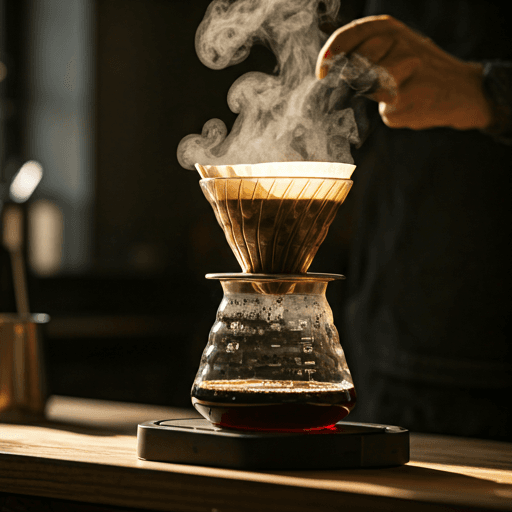
In the cup, these coffees are wonderfully unfussy. A pour-over or a well-dialed drip will highlight the clarity and caramel sweetness of a washed Bourbon; a Pacamara rewards a slightly finer focus on aroma and a cooler final sip, where its complexity tends to open up. And because balance is the region's calling card, Apaneca also makes a genuinely pleasant espresso and a dependable base for milk drinks — forgiving enough for a home routine, interesting enough to keep exploring.
Why Apaneca Matters
It is easy to file El Salvador under "mild Central American" and move on. Apaneca is the argument against doing that. In one compact volcanic range you have deep Andisol soils, near-universal shade growing woven into a protected biosphere, and — most unusually of all — a national commitment to old Bourbon that has turned the country into a living reservoir of genetics much of the coffee world let slip away. Add the two varieties El Salvador gave the world in Pacas and Pacamara, and you have an origin that is at once comforting to drink and quietly important to the future of the crop. The next time an Apaneca coffee crosses your path, it is worth slowing down for.