
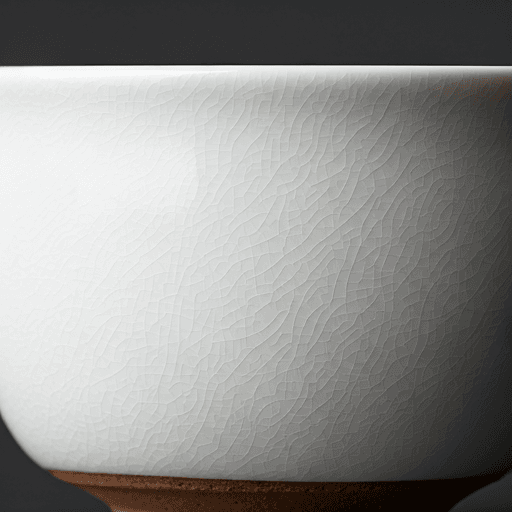
Zhi Lan Xiang ("Orchid Fragrance," 芝兰香) is one of the classic aroma-types of Phoenix (Feng Huang) Dancong oolong, a family of intensely aromatic teas grown in the Phoenix Mountains around Chaozhou in Guangdong, China. It is prized for a pure, high, cool orchid-flower aroma carried over a smooth, honeyed body — the elegant, restrained end of the dancong aroma spectrum. If Mi Lan Xiang is the crowd-pleasing honey note and Ya Shi Xiang the loud one, zhi lan xiang is the quiet aristocrat: clean florals, a creamy middle, and a long sweet aftertaste tasters call hui gan.
What is zhi lan xiang?
Zhi Lan Xiang is not a separate kind of tea so much as a named aroma-type within Fenghuang Dancong. Dancong (单丛, "single bush") is a Guangdong tradition of oolongs sorted by the flower or fruit their scent most resembles, with each type traditionally tied to a particular cultivar and then picked, oxidised and roasted to bring that aroma forward. If the whole single-bush idea is new to you, our guide to Fenghuang Dancong oolong is the place to start; this article stays on the one aroma-type. Like every dancong, it is an oolong — partially oxidised, sitting between green and black tea — and if that category is unfamiliar, our oolong tea explained overview covers the basics: leaf that is bruised and allowed to oxidise part-way, then fixed with heat and, here, finished over charcoal.
The name itself is the whole promise. In classical Chinese, zhi lan (芝兰) is a long-standing byword for noble, fragrant plants — the irises and orchids invoked for centuries to signal refinement and high character — and xiang (香) simply means "fragrance." So zhi lan xiang is, in effect, "orchid fragrance," and the tea is judged first and last on how truly and how gracefully it delivers that orchid note.
Where it grows: the Phoenix Mountains of Chaozhou
All true Phoenix oolong comes from one compact corner of the map: the Phoenix Mountains (Fenghuang Shan) in the hills above Chaozhou, in eastern Guangdong. The most prized high ground is Wudong Mountain, where old gardens sit roughly 1,000–1,400 m (about 3,300–4,600 ft) up in near-constant mist, on weathered granite soils. That elevation and cloud cover slow the leaf, concentrate aromatics and give the best dancong its cool, mineral lift — the local counterpart to Wuyi's "rock rhyme," here called shan yun, "mountain resonance."
Age matters as much as altitude. The Chaozhou tradition prizes old trees, and its most celebrated dancong is propagated from ancient mother plants, some said to be centuries old. Older, taller bushes (lao cong) are believed to give deeper, more resonant aromatics and a thicker body, and a good deal of well-made Zhi Lan Xiang is drawn from mature trees rather than young, low-planted rows. As always with tea folklore, exact ages and pedigrees are often more story than certificate, so it is wise to treat dramatic "ancient tree" claims with a little friendly skepticism.
The orchid benchmark of the dancong spectrum
Here is the one thing to remember about zhi lan xiang. In the mid-twentieth century, Chaozhou growers formalised a roster known as the Ten Famous Aroma Types (十大香型, shi da xiang xing) — dancong sorted by scent, running from honey-orchid through gardenia, magnolia, osmanthus, almond, ginger-flower and more. Zhi Lan Xiang is the orchid entry on that list, and among aficionados it is treated as the orchid benchmark of the whole spectrum.
What sets it apart from its neighbours is restraint. Where Mi Lan Xiang ("honey orchid") leads with a thick, sweet honey note and Ya Shi Xiang — the famous "duck shit" tea, in fact a gardenia-leaning type from the Huang Zhi Xiang line — pushes a loud, high floral, Zhi Lan Xiang is cooler and more composed: a clean, wild-orchid fragrance that sits toward the back of the nose rather than shouting from the front. Drinkers often call it the connoisseur's dancong precisely because it rewards patience. It opens slowly, shifts through several distinct facets over many infusions, and trades instant impact for length and finesse.
What zhi lan xiang tastes like
Expect a clear, golden-to-amber liquor and an aroma that reads as fresh orchid over a warm, toasty sweetness from the charcoal finish. On the palate, a well-made Zhi Lan Xiang is smooth and faintly creamy, with stone-fruit sweetness — think peach and nectarine — a light honeyed body, and a fine mineral thread underneath. Most dancong of this type is medium-oxidised and charcoal-roasted, so there is a gentle roasted warmth framing the florals rather than dominating them. Lighter-roast (qing xiang) versions keep the orchid brighter and more perfumed, while deeper roasts trade some of that lift for body, depth and a longer shelf life.
The signature is the finish. Good Zhi Lan Xiang carries a long, sweet returning aftertaste (hui gan) and a cooling, throat-filling aromatic that lingers well after you swallow. Any astringency should be brief and resolve quickly into sweetness; dancong can turn harsh and bitter if it is over-leafed or steeped too long, which is more a brewing issue than a fault of the leaf.
Zhi Lan Xiang at a glance
| Attribute | Detail |
|---|---|
| Tea type | Oolong (partially oxidised), charcoal-roasted |
| Chinese name | Zhi Lan Xiang (芝兰香) — "Orchid Fragrance" |
| Family | Fenghuang (Phoenix) Dancong; one of the Ten Famous Aroma Types |
| Origin | Phoenix Mountains (Fenghuang Shan), Chaozhou, Guangdong, China |
| Prime area | Wudong Mountain, roughly 1,000–1,400 m, weathered granite soils |
| Signature aroma | Pure, cool "wild orchid" — the restrained end of the dancong spectrum |
| Oxidation / roast | Medium oxidation; light (qing xiang) to deeper charcoal roast |
| Flavor notes | Orchid florals, peach/nectarine, honey, creamy body, mineral lift |
| Aftertaste | Long, sweet hui gan; cooling shan yun ("mountain resonance") |
| Brewing | Gongfu style, 95–100°C, short infusions; good for 10+ steeps |
| Caffeine | Moderate; varies with leaf, quantity and brewing |
How it compares to its dancong siblings and neighbours
The clearest contrasts are inside the dancong family itself. Mi Lan Xiang is the sweet, approachable one — honey-forward and the most widely sold, an easy first dancong — while Zhi Lan Xiang is the more delicate, floral-led step up. Huang Zhi Xiang and its famous offshoot Ya Shi Xiang both lean gardenia: bigger, brighter and more overtly perfumed, where Zhi Lan Xiang stays cool and restrained. All of them share the same granite terroir and the single-bush philosophy; they differ mainly in cultivar and in which scent the maker chooses to chase.
Step outside Guangdong and the comparison sharpens. Anxi Tieguanyin, from southern Fujian, is the greener, jade-coloured, lightly oxidised style of oolong — floral in a fresh, lilac-bright way rather than the roasted, orchid-and-fruit register of dancong. Our guide to Tieguanyin, the Iron Goddess oolong lays out that lighter tradition, and a cup of each set side by side shows just how wide the single word "oolong" really stretches.
How to brew zhi lan xiang
Dancong rewards a gongfu approach: a small vessel (a gaiwan is ideal), a generous pinch of leaf, water just off the boil (around 95–100°C / 203–212°F), and a series of short, quick infusions. A brief rinse wakes the twisted leaves; then steep in short bursts — a few seconds at first, lengthening as the session goes — and a good Zhi Lan Xiang will give a dozen or more rounds, unfolding from bright orchid toward deeper fruit and honey. The one firm rule is to keep the early steeps short: this leaf turns bitter fast when over-steeped, and the reward for restraint is that clean, floral hui gan. For ratios and timings across roast levels, see our companion guide on how to brew oolong tea.
On caffeine and wellness: like all tea from Camellia sinensis, Zhi Lan Xiang contains caffeine, generally in a moderate range that shifts with the leaf, how much you use and how you brew — roasting does not meaningfully remove it. Any calming or uplifting effects people describe can differ from person to person; responses vary, and this is general information, not medical advice.
The bottom line
Zhi Lan Xiang is the orchid benchmark of Phoenix Dancong — the elegant, restrained member of Chaozhou's Ten Famous Aroma Types, grown on the misty granite of the Phoenix Mountains and finished over charcoal. It trades the instant sweetness of Mi Lan Xiang for finesse: a pure, cool orchid fragrance, a smooth honeyed body and a long, sweet hui gan that keeps unfolding infusion after infusion. Brew it gently, give it your attention, and let the orchid come to you.