
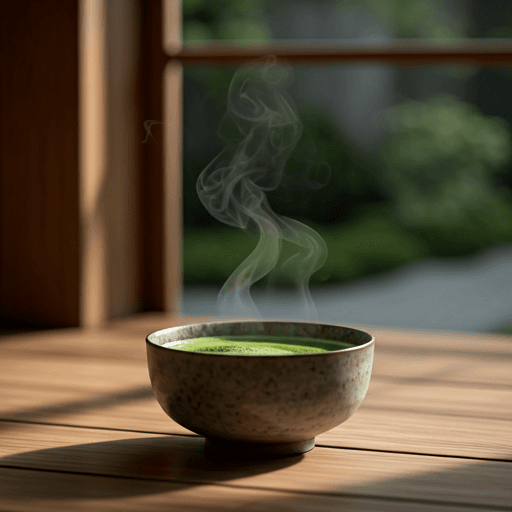
Yingde black tea — known in Chinese as 英德红茶, or "Ying Hong" — is a boldly modern red tea from the city of Yingde in northern Guangdong, in southern China. Unlike the centuries-old classics of the tea world, its reputation was built almost from scratch in the mid-20th century, and its rich, malty, cocoa-sweet cup quickly turned a young growing region into one of the country's benchmark black-tea origins. If you have ever enjoyed a smooth Chinese black tea that stands up cheerfully to a splash of milk, there is a good chance the celebrated Ying Hong No. 9 cultivar was somewhere behind it.
What is yingde black tea?
Yingde black tea is a fully oxidized black tea — what Chinese tradition calls hong cha, literally "red tea," for the bright red-amber colour of the liquor — grown and processed in and around Yingde, a hilly, subtropical district roughly 100 kilometres north of Guangzhou. It is made largely from broad, vigorous large-leaf plants descended from Yunnan stock, and its finest expressions are dark, tightly twisted leaves flecked with soft golden tips. In the cup it pours a clear, glowing red, carrying flavours of malt, cocoa, honey and roasted sweet potato with very little of the harsh astringency some black teas show.
What makes it distinctive is that it is a genuinely modern origin. While tea has grown in the wider Yingde area for centuries, the tea we now call yingde black tea was deliberately developed in the mid-20th century as a state project to expand China's black-tea exports beyond older heartlands. In that sense it is a close cousin, in spirit, to Dian Hong from Yunnan — another southern Chinese black tea whose story begins in the 20th century rather than the misty past.
A modern origin story: Yingde in the 1950s
The modern Ying Hong story is usually traced to 1951, when a state-owned enterprise commonly referred to as the Yinghong Overseas Chinese Tea Farm was established in the district. This was not simply a plantation. It functioned as a research and cultivation base, systematically trialling tea plants and building what became one of the richer living collections of tea varieties in the region.
A pivotal step came in the mid-1950s, when large-leaf plant material from Yunnan was introduced to Yingde to see whether the sturdy, tannin-rich southern bushes prized for black tea would thrive in Guangdong's warm, humid hills. They did. Successful trial production, commonly dated to 1959, established the region's modern identity and showed that Yingde could make a bright, brisk, aromatic black tea of its own — one leaning more toward fragrance and sweetness than sheer strength. Through the 1950s and 60s this young origin took on real economic weight, because black tea was among China's important export commodities in that era, and early Ying Hong was shipped to markets well beyond its home province.
Ying Hong No. 9: the signature cultivar
If Yingde is the place, Ying Hong No. 9 (英红九号) is the plant that made its name. Breeders at the Tea Research Institute of the Guangdong Academy of Agricultural Sciences began the work around 1961, isolating a set of individual clonal plants from the introduced Yunnan large-leaf population. The bush that became this cultivar is commonly reported to have originally carried the trial code Yingcha No. 17, before it was renamed within the "Yinghong" (Yingde red-tea) series as No. 9 — a number that also happens to carry auspicious associations in Chinese culture. It was recognised as a provincial improved variety in 1986 by Guangdong's crop-variety appraisal committee.
The cultivar is prized for its early budding, long growing season and unusually large, elliptical leaves — often measured at roughly 14 centimetres long — which are rich in the compounds that give a full-bodied black tea. That heritage is why so many descriptions of yingde black tea emphasise a thick, almost creamy body and a deep, sweet aroma rather than a thin or sharp brew. Ying Hong No. 9 is now treated as a benchmark Guangdong black, and much of the region's premium output is single-cultivar tea from these bushes.
Flavor profile: malt, cocoa, and golden tips
Poured well, yingde black tea is a study in warmth and sweetness. The dry leaf is dark and glossy with golden tips; the wet leaf shows a tender, reddish-bright colour. The liquor is a clear, bright red, and the flavour is where the tea earns its following: a base of rich malt, a distinct cocoa or dark-chocolate note, honeyed and caramel sweetness, and — in many lots — a comforting suggestion of roasted sweet potato. Higher grades often add floral and ripe-fruit accents, with tasters mentioning lychee, maple syrup and a woody undertone.
Crucially, the mouthfeel tends to be smooth and velvety with low astringency, and the sweet, malty aftertaste lingers. Those qualities are what put yingde black tea in the conversation with the world's great everyday black teas. Below is a snapshot profile of the tea at a glance.
| Attribute | Yingde black tea (Ying Hong) |
|---|---|
| Chinese name | 英德红茶 (Yīngdé hóngchá) / "Ying Hong" |
| Type | Fully oxidized black tea (hong cha) |
| Origin | Yingde, northern Guangdong, southern China |
| Signature cultivar | Ying Hong No. 9 (large-leaf, Yunnan-descended) |
| Modern development | State project from the 1950s; trial production commonly dated to 1959 |
| Dry leaf | Dark, twisted, often golden-tipped |
| Liquor | Bright, clear red-amber |
| Flavor notes | Malt, cocoa, honey, caramel, roasted sweet potato; low astringency |
| Milk-friendly | Yes — holds its flavour in milk tea |
How yingde black tea compares with its Chinese siblings
It helps to place yingde black tea within the wider family of Chinese teas. China's most famous black teas span very different eras and styles: some are historic, some modern, some smoky, some sweet. The table below sets Ying Hong beside two well-known reference points.
| Tea | Origin & era | Character |
|---|---|---|
| Yingde black tea | Guangdong; modern (from the 1950s) | Malty, cocoa, honeyed, smooth; milk-friendly |
| Dian Hong | Yunnan; modern (often dated to 1939) | Big golden-tipped leaf; malty, peppery-sweet, robust |
| Keemun | Anhui; developed in the 1870s | Refined, wine-like, floral "Keemun aroma," lighter body |
The closest kinship is with Dian Hong: both are large-leaf, golden-tipped southern black teas born in the 20th century, both malty and forgiving to brew. By contrast, classic Keemun is older, more delicate and more perfumed, prized for a subtle floral-fruity fragrance rather than the frank cocoa-and-malt richness of a good Ying Hong. Tasting the three side by side is one of the clearest ways to understand how broad the "black tea" label really is.
Brewing yingde black tea
Yingde black tea is refreshingly easy to brew well, which is part of its charm. As a rough starting point, use around 3 to 4 grams of leaf per 200 millilitres of water. Because it is fully oxidized, it likes near-boiling water — roughly 90 to 95°C (about 195–205°F).
- Everyday Western style: steep 3–4 grams for about 3 to 4 minutes, taste, and adjust. The low astringency gives you a comfortable margin before it turns bitter.
- Gongfu style: use more leaf in a small vessel and steep in short, repeated infusions of 10 to 30 seconds, extending as you go. A quality Ying Hong will give many fragrant, sweet steepings, with the malt and cocoa evolving cup to cup.
- Water: fresh, filtered, near-boiling water flatters the sweetness; over-boiled or hard water can flatten the aroma.
Does yingde black tea take milk?
Yes — and this is one of its signature strengths. Because Ying Hong No. 9 delivers so much natural body, malt and sweetness, the tea does not disappear when you add milk the way a more delicate black tea might. It keeps its cocoa-caramel backbone in a milky cup, which is why it is a popular base for milk tea as well as a satisfying clear brew. If you like a rounded, dessert-like cup, a small pour of milk suits it; if you want to appreciate the floral and fruit top notes, drink it clear.
Caffeine and everyday character
As a fully oxidized black tea made from robust large-leaf plants, yingde black tea sits at the fuller end of the caffeine spectrum for tea. Figures are often cited around 40 to 70 milligrams per cup, but this varies a great deal with leaf grade, how much you use, water temperature and steeping time — treat any single number as an approximation rather than a fixed value. A shorter steep yields a gentler cup; a long, hot steep with plenty of leaf pulls more.
Many people enjoy black tea as part of a balanced routine, and it may offer a mild lift and a moment of calm ritual. That said, this is general information, not medical advice — if you are sensitive to caffeine, are pregnant, or manage a health condition, it is worth moderating your intake and checking with a qualified professional. For most drinkers, the appeal is simpler: a warm, sweet, low-astringency cup that is hard to brew badly. To keep exploring the wider world of leaf, you can browse more origins and styles across our tea guides.
Why yingde black tea matters
Yingde black tea is a reminder that "tradition" in tea is still being written. In a matter of decades, a deliberate program of research and cultivar breeding turned a promising corner of Guangdong into a recognised black-tea origin with a distinctive voice — smooth, malty, cocoa-sweet and dependable. Anchored by the Ying Hong No. 9 cultivar, it earns its place both as an accessible everyday brew and as a benchmark for what modern Chinese black tea can be.