
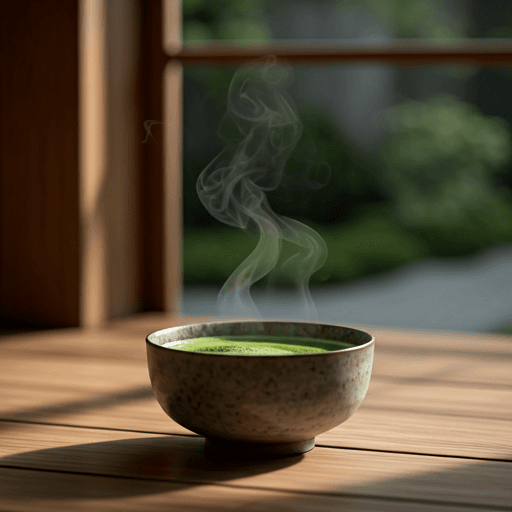
Loose leaf tea is tea sold as whole or large, unbroken leaves rather than the crushed "dust and fannings" packed into most standard tea bags. Because the leaves stay intact, they can unfurl fully in hot water and release more of the plant's aromatic oils, which gives a fuller, fresher cup that you can often steep more than once. It is the same tea plant, Camellia sinensis, behind almost all bagged tea, so the real difference is the grade of leaf and the room it has to move.
If you have only ever brewed from a paper sachet, switching to whole leaves is the single biggest change most drinkers notice in the cup. Here is what loose leaf tea actually is, why leaf size matters, the types you can buy loose, how it compares with bags, and the small amount of kit you need to get going.
What loose leaf tea actually is
Loose leaf tea is dry tea leaves sold loose in a caddy, tin or pouch and measured out by the spoon, rather than pre-portioned into paper or mesh sachets. The pieces are typically whole leaves or large fragments, and many are twisted, rolled or curled so they visibly open up as they rehydrate. Watch a good oolong or a hand-rolled green tea in a glass and you will see tight little pellets or wiry strands relax back into recognizable leaves, sometimes with whole buds and stems attached.
This is a world away from the fine particles in a typical grocery tea bag. Those are graded as "dust" and "fannings" — the small, broken bits left over when leaves are cut down for fast, cheap brewing. They are still real tea, but they have far less surface texture and far more exposed edges, which changes how they taste. If you want the underlying botany, our primer on what tea leaves are covers how one plant becomes every style of tea.
Why the leaf grade matters
The reason whole leaf tea tastes different comes down to room to expand. When a large leaf steeps, water flows around and through it slowly, drawing out a broad, layered set of flavors and aromatics in balance. Broken dust, by contrast, has enormous exposed surface area, so it dumps its color, caffeine and tannins into the water very fast. That is handy for a quick, strong, one-note brew, but it can also turn bitter or flat if it sits too long.
Whole leaves also hold on to more of the tea's volatile oils and delicate top notes, the parts responsible for a green tea's fresh-grass lift or a black tea's malt and stone-fruit character. Because those compounds are less battered by cutting and less oxidized by exposure, a well-kept loose leaf tends to taste rounder and more aromatic. The finer points of grading — orange pekoe, tips, whole versus broken — get their own treatment in our guide to tea bags vs loose leaf.
The types you can buy loose
Almost every category of tea is available as loose leaf, and buying loose is often the only way to get the higher grades of each. The main families you will find include:
- Black tea — fully oxidized, bold and brisk; think Assam, Ceylon, Darjeeling and Keemun.
- Green tea — unoxidized and fresh; Japanese sencha and gyokuro, or pan-fired Chinese styles like dragon well.
- Oolong — partly oxidized and often rolled into tight pellets that reward re-steeping.
- White tea — minimally processed buds and young leaves, soft and subtly sweet.
- Pu-erh and other dark teas — aged and fermented, earthy, sometimes sold as pressed cakes.
- Herbal tisanes — chamomile, peppermint, rooibos, hibiscus and fruit blends, which are not technically "tea" but are widely sold loose.
Loose format is also where you find single-origin lots, seasonal harvests and blends with visible whole botanicals — dried flowers, citrus peel or spices — that simply will not fit through a standard bag. To see how the whole family fits together, browse our overview of types of tea explained.
Loose leaf tea vs tea bags
The clearest way to weigh loose leaf tea vs tea bags is side by side. Neither is universally "right" — they simply trade flavor depth for convenience in opposite directions.
| Feature | Loose leaf tea | Standard tea bags |
|---|---|---|
| Leaf grade | Whole or large, unbroken leaves | Broken "dust and fannings" |
| Flavor & aroma | Fuller, rounder, more nuanced | Faster, stronger, more one-note |
| Re-steeping | Often two to five infusions | Usually one and done |
| Convenience | Needs a pot, basket or infuser | Grab-and-go, no gear, easy cleanup |
Pyramid and "whole leaf" bags sit somewhere in between: they give bigger leaves room to open while keeping the tidy, single-serve format. They are a genuine upgrade on flat paper bags, though they still cannot re-steep as generously as loose leaf from a pot.
Cost and value: why loose can go further
Loose leaf tea can look more expensive by weight at first glance, but the amount on the shelf rarely tells the whole story. A good loose tea is usually a higher grade to begin with, and many styles — especially oolong and pu-erh — re-steep several times, so a single spoonful can make two, three or more cups across a session rather than a single mug. Measured by the cup you actually drink, the gap narrows and often closes.
There is also less packaging waste, since you are buying leaves by weight instead of individually wrapped sachets, and you control the strength precisely by adjusting how much leaf you use. For occasional drinkers the trade-off may still favor bags; for anyone brewing daily and re-steeping, loose leaf tends to earn its keep. We deliberately avoid ranked "best value" picks here — value depends on how you actually brew.
The kit: what you need to brew it
One reason people hesitate is the assumption that loose leaf demands a cabinet of gear. It does not. Because the leaves float free, you only need a way to give them space to expand and then separate them from the water. In practice that means one of a few simple tools: a teapot with a built-in strainer, a basket or "deep" infuser that drops into a mug, or a traditional gaiwan — a lidded Chinese brewing bowl — for those who like short, repeated steeps.
The one thing to avoid is a tiny, cramped mesh ball that squeezes the leaves into a knot; whole leaves need to tumble to brew evenly. Beyond that, hot water and a timer are enough. We are keeping the method light on purpose here — for water temperatures, steeping times and leaf-to-water ratios by tea type, follow our step-by-step guide to how to brew loose leaf tea.
Is loose leaf tea always better?
No — and it is worth saying plainly. Loose leaf generally wins on flavor, aroma and the pleasure of watching leaves unfurl, but bags win decisively on convenience. When you want a fast cup at a desk, tea while traveling, or a no-cleanup brew for a crowd, a good bag is the sensible choice. Many committed tea drinkers keep both: loose leaf for a slow morning or an afternoon with time to spare, and bags for everything else.
The right answer is about the moment, not a hierarchy. Loose leaf rewards a little attention with a noticeably better cup; bags trade some of that depth for speed and simplicity. Neither is a mistake.
The takeaway
Loose leaf tea is simply tea in its more complete form — whole, unbroken leaves that get the space to open up, share their oils and give a fuller, re-steepable cup. It asks for a spoon, a strainer and a couple of extra minutes, and in return it turns a routine mug into something worth slowing down for. Start with one style you already enjoy in bags, brew it loose, and taste the difference for yourself.