
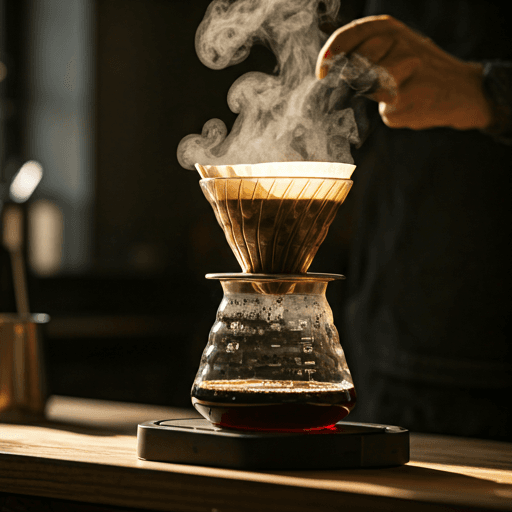
A mocha is an espresso drink that blends three things: a shot of espresso, chocolate (cocoa powder, chocolate syrup, or melted chocolate), and steamed milk, usually finished with whipped cream. Think of it as a chocolate-flavored latte. The chocolate is what separates a mocha from every other milk-and-espresso drink, and it is why this is the gateway coffee for people who say they do not like coffee.
Below we break down the standard build and ratios, the difference between hot and iced, white mocha versus dark, and where the curious name actually comes from. There is a simple home recipe at the end.
What is a mocha, exactly?
A cafe mocha, also called a mocha latte, is essentially a latte with chocolate added. The core is the same as any milk-based espresso drink: a base of espresso, then steamed milk, then a thin layer of foam. The chocolate is stirred into the espresso first so it dissolves into a smooth, glossy base before the milk goes in.
Because the chocolate adds sweetness and body, a mocha tastes richer and more dessert-like than a plain latte. It is sweeter than a cappuccino and far more indulgent. The whipped cream on top is traditional but optional; many cafes serve it with a dusting of cocoa instead. The espresso underneath still matters: a well-pulled shot keeps the drink from tasting like flat hot chocolate, so the coffee and the chocolate are meant to balance each other rather than one drowning out the other.
How a mocha compares to other espresso drinks
| Drink | What's in it | Flavor |
|---|---|---|
| Mocha | Espresso + chocolate + steamed milk + foam | Sweet, chocolatey, dessert-like |
| Latte | Espresso + lots of steamed milk + thin foam | Mild, milky, smooth |
| Cappuccino | Espresso + equal milk + thick foam | Bolder, foamier |
| Caramel macchiato | Milk + espresso + vanilla + caramel | Sweet, caramel-forward |
If caramel is more your speed than chocolate, the caramel macchiato follows a similar idea with a different flavor.
The standard mocha build and ratios
There is no single legal recipe for a mocha coffee, but most cafes and home baristas land near these proportions per serving:
- 1 to 2 shots of espresso (about 30 to 60 ml) as the base.
- 1 to 2 tablespoons of chocolate — cocoa powder, chocolate syrup, or melted chocolate.
- Steamed milk to fill the cup, roughly 150 to 220 ml depending on cup size.
- A thin layer of foam, plus optional whipped cream on top.
A common cafe ratio is roughly equal parts espresso, chocolate, and milk in a smaller cup, with more milk in a larger one. A classic, more intense version leans on more chocolate and espresso with just a splash of milk, which drinks almost like a thin hot chocolate spiked with coffee. The beauty of a mocha latte is that you can dial the chocolate up or down to taste. As a rough guide, start with one tablespoon of chocolate per shot of espresso, taste, and add more only if you want it sweeter — it is far easier to add chocolate than to take it out.
Dark chocolate vs milk chocolate vs white mocha
The chocolate you choose changes the whole drink:
- Dark chocolate or unsweetened cocoa gives a deeper, slightly bitter cafe mocha coffee that balances the espresso.
- Milk chocolate or sweetened syrup makes it softer and sweeter, the most common cafe style.
- White chocolate creates a white mocha — no cocoa solids, so it is creamier, sweeter, and lighter in color, with a vanilla-like edge.
Hot mocha vs iced mocha
A hot mocha follows the build above with steamed milk. An iced mocha uses the same ingredients but cold: dissolve the chocolate into the warm espresso first (chocolate will not melt into cold milk), let it cool slightly, then pour over ice and top with cold milk. Stir well, because chocolate likes to settle at the bottom.
For a frostier, blended version, the chocolate, espresso, milk, and ice go in a blender — closer in spirit to a blended frappe-style iced coffee than to the layered iced drink. Whichever way you go, give an iced mocha a good stir halfway through; the chocolate that sinks to the bottom is the best part.
Where does the name "mocha" come from?
Here is the twist: the name has nothing to do with chocolate originally. "Mocha" comes from Al-Makha (also spelled Mokha), a port city on the Red Sea coast of Yemen. From roughly the 16th to the 18th century, Al-Makha was one of the most important coffee ports in the world — for a long stretch, much of the coffee leaving the Arabian Peninsula passed through it.
The coffee tied to that trade had a naturally rich, chocolatey, slightly winey flavor, so European drinkers began linking the word "mocha" with that chocolate-coffee taste itself. Around the turn of the 20th century, as solid eating chocolate became popular, cakes and drinks that paired chocolate with coffee borrowed the name — an early "chilled mocha" recipe combining coffee, milk and cocoa appeared in the 1920s. That is how a Yemeni port lent its name to the chocolate espresso drink we order today.
How to make a mocha at home
You do not need a fancy machine. If you have espresso or strong coffee, hot milk, and cocoa, you have a mocha.
Ingredients (one serving)
- 1 to 2 shots of espresso (or about 60 ml of very strong brewed coffee)
- 1 to 2 tablespoons cocoa powder or chocolate syrup
- 1 to 2 teaspoons sugar, to taste (skip if using sweet syrup)
- About 150 to 200 ml milk (dairy or plant-based)
- Optional: whipped cream and a pinch of cocoa to finish
Steps
- Add the cocoa (and sugar) to your mug. Pour in the hot espresso and stir until you have a smooth, glossy chocolate paste with no lumps.
- Heat the milk until steaming. Froth it if you can — a frother, a French press pumped up and down, or a whisk all work.
- Pour the steamed milk into the chocolate-espresso base, holding back the foam with a spoon, then spoon the foam on top.
- Finish with whipped cream and a dusting of cocoa if you like. Stir before drinking so the chocolate stays evenly mixed.
For an iced mocha, do step one with hot espresso, let it cool, then pour over ice and top with cold milk.
Quick tips for a better mocha
- Dissolve chocolate in the hot espresso first. This is the single biggest fix for a grainy or watery mocha.
- Use real cocoa or good syrup, not just sugar. Bitter cocoa keeps the drink from turning into candy.
- Match the milk to your cup. More milk for a mellow, latte-like mocha; less for a bold, chocolate-forward one.
- Don't oversweeten. Espresso has its own pleasant bitterness — let it through.
A mocha is the friendliest drink on the espresso menu: coffee for chocolate lovers and chocolate for coffee lovers. Once you are comfortable with the build, the same skills carry straight over to a plain latte or a cappuccino — just leave out the chocolate and play with the milk. Keep exploring, and your home cafe gets better with every cup.