
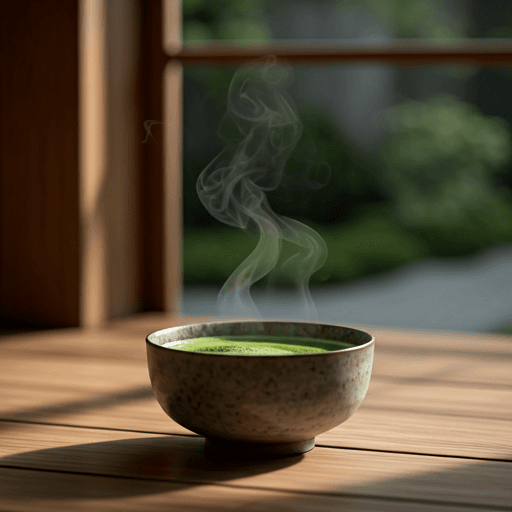
A cuppa is British and Commonwealth slang for a cup of tea — short for "cup of" — so when someone asks if you fancy a cuppa tea, they are offering you a small ritual, not just a drink. Across the United Kingdom, Ireland, Australia and New Zealand, a cuppa means comfort, welcome and a pause in the day: the brew you put on for a guest at the door, the thing you reach for when the news is grim, the break that quietly divides a working morning from an afternoon.
This guide covers what the word means, where it comes from, what "builder's tea" is, how the everyday version is made, and why a cuppa carries so much cultural weight — plus why it is not the same thing as "high tea" or "afternoon tea."
What a Cuppa Really Means
The cuppa meaning is refreshingly literal: it is a lazy, affectionate contraction of "a cup of," with the drink itself left unsaid because everyone already knows what you mean. Say "a cuppa" and, unless the context clearly points to coffee, people assume tea — hot, usually black, usually with milk. It is one of those words that does the work of a whole sentence.
You will hear it everywhere in daily British life. "Fancy a cuppa?" is a standing offer of hospitality. "I'll put the kettle on" is the practical half of the same gesture. "Give us a cuppa" is a request; "just having a quick cuppa" is a socially acceptable excuse to stop and sit down. The phrase spread with British tea culture, so it is equally at home in Dublin, Melbourne and Auckland as it is in Manchester or London.
Regional cousins add colour. In much of Northern England a cup of tea is simply a "brew." Older slang — "char" or "cha" — borrows from the Chinese word for tea and turns up in phrases like "a cup of char." But "cuppa" is the one that travelled furthest and stuck.
"Builder's Tea": The Everyday Cuppa
If a cuppa has a default flavour, it is builder's tea: a strong, no-nonsense mug of black tea with milk, named for the hearty brew traditionally drunk by builders and tradespeople to power through a working day. It is made in a mug rather than a delicate cup, brewed strong enough to "stand your spoon up in," lightened with a generous splash of milk and often sweetened with a spoon or two of sugar.
There is nothing fussy about it. The leaf is usually a robust everyday black blend — the sort of thing sold in a box of a hundred tea bags — rather than a rare single-estate leaf. For the fuller story of the leaf itself, see our explainer on what black tea is; the workhorse blend behind most builder's brews is covered in our guide to English breakfast tea, which is engineered to be brisk and to take milk well.
How a Classic Cuppa Is Made
You do not need a ceremony to make a proper cuppa. The everyday method is quick and forgiving. Here is the shape of it, with the deeper technique deferred to our fuller brewing guides.
What you need: a mug (or a warmed teapot for more than one), a black tea bag or a couple of teaspoons of loose black leaves, freshly boiled water, milk, and sugar if you like it.
- Fill the kettle with fresh cold water and bring it to a rolling boil — black tea wants water at or just off the boil, hotter than you would use for green or white tea.
- Pour the water straight over the tea bag or leaves in the mug or pot.
- Let it brew for about two to four minutes. Shorter gives a lighter, gentler cup; longer draws out more colour, strength and tannin — the difference between a "milky" cuppa and a strong one.
- Lift out the bag or strain the leaves, add a splash of milk to taste, stir in sugar if wanted, and drink while it is hot.
That is genuinely all there is to the daily version. For the full method, ratios and variations, including how to scale it up to a warmed pot for a table of guests, see how to make tea.
Milk First or Milk Last?
No article about a cuppa is complete without the great milk debate. Do you pour the milk in first, then the tea — or the tea first, then the milk? It sounds trivial; it is anything but. As George Orwell wrote in his 1946 essay "A Nice Cup of Tea," it is "one of the most controversial points of all," with "two schools of thought" in practically every household.
The "milk in first" camp has a historical excuse: on cheaper or thinner cups, cold milk was thought to cushion the china against a sudden hit of boiling tea and reduce the risk of cracking. The "milk in last" camp — Orwell's own position — argues that pouring the tea first lets you see the colour and add exactly the right amount of milk, rather than guessing. There is no winner here, only a good-natured standoff that resurfaces at every kitchen table.
The Culture of the Cuppa
What lifts a cuppa above ordinary refreshment is everything it stands in for. It is the reflex response to bad news: when something goes wrong, someone will invariably say "I'll put the kettle on," and a hot cup is pressed into the hands of whoever needs steadying. The cuppa is a small act of care that fills the space where words fail.
It also structures the day. The "tea break" is a recognised pause in workplaces, homes and building sites alike — a legitimate reason to down tools and reset. And it is the language of welcome: offering a guest a cuppa is the near-automatic first move of British and Irish hospitality, the equivalent of "come in, sit down, you're among friends." Declining one can feel almost like declining the friendliness itself. In an office, a "tea round" — making a batch for everyone nearby — is a quiet piece of social glue.
A Cuppa Is Not "High Tea" or "Afternoon Tea"
One common mix-up is worth clearing up. A cuppa is the humble, everyday cup you make a dozen times a day. "Afternoon tea" and "high tea" are different, more formal things entirely. Afternoon tea is a mid-afternoon spread of dainty sandwiches, scones and cakes served with a pot of tea — a genteel, upper-class ritual by origin. "High tea," despite sounding fancy, historically meant a heartier early-evening meal eaten at a high dining table, closer to supper than to a delicate treat.
The everyday cuppa asks nothing of you but a kettle and a mug. If you want the full ceremony of tiers, scones and clotted cream, that is a separate tradition — see our guide to the afternoon tea tradition.
Cuppa Decoder: Common Terms
| Term | What it means |
|---|---|
| Cuppa | A cup of tea (short for "cup of") |
| Fancy a cuppa? | Would you like a cup of tea? |
| Put the kettle on | Start making tea (a signal that a brew is coming) |
| Builder's tea | Strong black tea with milk, the everyday style |
| Brew | A cup of tea, especially in Northern England |
| Char / cha | Older slang for tea, from the Chinese word for it |
| Splash of milk | A small pour of milk to lighten the tea |
| Tea round | Making a cuppa for everyone nearby at once |
The Last Word
A cuppa is proof that a drink can be bigger than its ingredients. Strip it back and it is only black tea, hot water and a splash of milk — a two-minute job anyone can manage. Yet the word carries warmth, welcome and the reassuring rhythm of a day marked out in kettles and pauses. Whether you take it strong and sweet as builder's tea or pale and gentle, the point is the same: a cuppa is an invitation to stop for a moment, and that is why it has never gone out of style.