
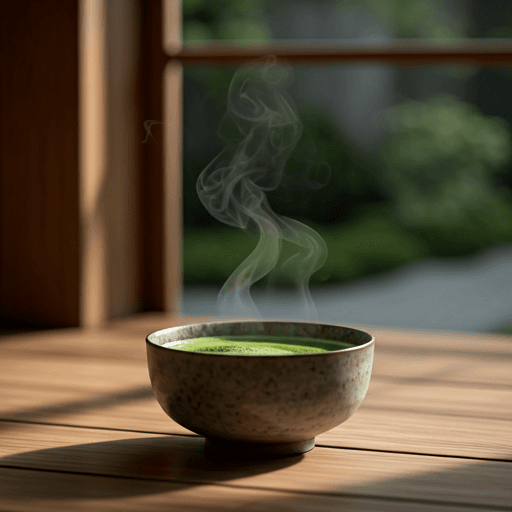
Traditional Medicinals tea is a line of caffeine-free herbal teas made by an American company founded in California in 1974, built around a purpose rather than everyday flavor. Each blend is formulated with pharmacopeial-grade herbs to do a specific job — soothe a scratchy throat, settle digestion, or help you wind down before bed — instead of simply tasting nice. This guide walks through the brand, its best-known blends, how to brew them, and the cautions worth knowing before you steep.
The brand behind Traditional Medicinals tea
Traditional Medicinals started in Sebastopol, California, in 1974, growing out of the herbalist community of the era into a company focused on herbs as functional ingredients rather than flavor filler. That founding idea still shapes the range today: most boxes name a specific herb and a specific use on the front, and the recipes are built to deliver a meaningful amount of that herb per cup.
A few positioning facts set the brand apart on a crowded shelf. It uses what it calls pharmacopeial-grade herbs — ingredients tested against published quality standards for identity and purity — and leans heavily on certified organic and fair-trade sourcing. It is also a Certified B Corporation, a third-party standard that scores companies on social and environmental performance. None of that makes a cup of tea a medicine, but it does explain why Traditional Medicinals reads more like a wellness tea brand than a grocery-aisle commodity, and why the blends tend to taste distinctly herbal rather than sweet.
The catalog is broad. Alongside the flagship functional blends there are simple single-herb infusions (peppermint, ginger, chamomile), seasonal cold-and-flu supports, digestion and detox lines, and a smaller set of green-tea-based blends. That last point is the one exception to the caffeine rule: the pure herbal blends are caffeine-free, but any blend built on green tea will carry some caffeine, so it is always worth reading the box.
The signature Traditional Medicinals blends
The easiest way to understand the range is by what each blend is formulated to do. These are the ones most people reach for, described as factual examples — not recommendations or treatments. The purpose language below reflects how the herbs are traditionally used and how the brand markets each blend, not a promise of results.
| Blend | What it is formulated for | Key herb(s) |
|---|---|---|
| Throat Coat | A demulcent blend meant to coat and soothe a dry, scratchy throat | Marshmallow root, licorice, slippery elm |
| Smooth Move | A stimulant-laxative blend for occasional, short-term constipation relief | Senna leaf |
| Mother's Milk | A traditional lactation-support blend for nursing parents | Fennel, anise, fenugreek, blessed thistle |
| Nighty Night | A bedtime blend to help you relax and wind down | Valerian, passionflower, chamomile |
| Ginger | A warming single-herb cup traditionally used to settle the stomach | Ginger root |
| EveryDay Detox | A daily blend marketed around liver and digestion support | Dandelion or milk thistle (recipe varies) |
| Echinacea Plus | A cold-season blend taken for everyday immune support | Echinacea, elderflower |
Throat Coat
Throat Coat is the brand's most recognizable product and a good example of how the range works. It relies on demulcent herbs — marshmallow root and slippery elm — that form a slick, slightly viscous cup meant to coat and soothe irritated throat tissue, rounded out with licorice for sweetness and body. It is a comfort tea for when your throat feels raw, not a treatment for the underlying cause. For a full breakdown of how the blend works and how to get the most from it, see our Throat Coat tea guide.
Smooth Move
Smooth Move is the brand's senna-based blend, and it is genuinely functional: senna is a stimulant laxative that acts on the gut, which is why the box is explicit about occasional, short-term use only. It is not a daily digestive tea, and it is not the kind of thing to sip casually. We cover how senna works, timing, and who should avoid it in our dedicated guide to senna tea — read that before you try it, and see the cautions section below.
Mother's Milk and Nighty Night
Mother's Milk is a long-running lactation-support blend built on galactagogue herbs such as fennel, anise and fenugreek that have a traditional association with milk supply; anyone nursing should treat it as a supportive drink and loop in a clinician or lactation consultant for anything beyond that. The tradition, the herbs and the evidence around it are covered in our Mother's Milk lactation tea guide. Nighty Night sits at the other end of the day — a caffeine-free bedtime blend combining valerian, passionflower and chamomile to help you relax into sleep, with a stronger valerian-forward version for people who want more of that earthy, pungent kick.
How to brew Traditional Medicinals tea
Because these are functional blends, brewing them properly matters more than it does for a casual cup — a weak, rushed steep under-delivers the herbs the blend is built around. The label on each box is the real instruction sheet, but the general approach is consistent across the range.
- Use fresh off-boil water. Most herbal blends want water at or near a rolling boil (around 100°C / 212°F), unlike delicate green teas.
- Steep covered. Cover the cup or pot while it brews. This keeps the aromatic oils from escaping as steam and helps extract more of the active herbs — the brand specifically recommends it.
- Steep long, and follow the box. Functional blends often call for 10 to 15 minutes, far longer than a black-tea steep. Root-heavy blends like Throat Coat and ginger benefit from the extra time.
- Mind the dose. The number of bags and cups per day printed on the box is part of the formulation, especially for functional blends like Smooth Move. More is not better.
- Adjust taste, not strength. A little honey or lemon is fine for flavor, but do not water down the recommended steep to make a functional blend more palatable.
One framing worth repeating: these are supportive teas, not medicine. They can be a comforting, low-stakes ritual — a warm cup for a rough throat or a wind-down at night — but a cup of tea is not a substitute for care when something is persistent or serious.
Important cautions before you steep
This is the part that separates a wellness tea brand from an ordinary one: a few Traditional Medicinals blends contain herbs with real physiological effects, and they deserve a careful read rather than a casual pour.
- Smooth Move contains senna, a stimulant laxative. It is intended for occasional, short-term use only. It should not be used daily or long-term, and it is generally advised against during pregnancy and for children. Overuse can cause cramping, dependence and electrolyte issues. If constipation is persistent, that is a conversation for a clinician, not a nightly tea.
- Throat Coat contains licorice. Licorice root (glycyrrhiza) can raise blood pressure and affect potassium levels with heavy or prolonged use, and is a common caution in pregnancy. Occasional cups are one thing; drinking it constantly for weeks is another.
- Bedtime blends can cause drowsiness. Valerian in Nighty Night may leave some people groggy, and sedating herbs should not be combined with alcohol or sedative medications.
- Herbs can interact with medication. "Natural" does not mean inert. If you are pregnant or breastfeeding, managing a health condition, or taking prescription medication, check with a clinician or pharmacist before making any functional blend a regular habit.
- Watch for allergies. Blends built on chamomile, echinacea or fennel can be a problem for people sensitive to related plants (ragweed and daisy-family herbs, for instance).
The honest summary: these blends are formulated to support comfort and everyday routines, not to diagnose, treat or cure anything. See a clinician for symptoms that are severe, persistent or worsening.
How it fits the wider wellness-tea shelf
Traditional Medicinals sits in the functional, herb-forward corner of the market rather than the flavored-and-fun corner. Where a mainstream brand might sell a peppermint tea as a refreshing drink, Traditional Medicinals frames the same herb around what it traditionally does. That focus is the reason to reach for it — and also the reason to read the box more carefully than you would for a fruit infusion.
If you are comparing it against the broader landscape of herbal and everyday tea makers — from big grocery names to boutique wellness lines — our tea brands guide lays out how the major players differ in sourcing, style and purpose so you can see where a purpose-built brand like this one fits.
The bottom line
Traditional Medicinals is a California herbal-tea company that built its reputation on making blends do a job: a demulcent throat cup, a bedtime wind-down, a warming ginger after a heavy meal. The herbs are real, the sourcing is credibly certified, and the flavors lean genuinely herbal rather than sweet. Treat the functional blends with the respect the labels ask for — especially the senna in Smooth Move and the licorice in Throat Coat — keep it in the "supportive ritual" column rather than the "treatment" column, and it is one of the more thoughtfully made wellness teas you can keep in the cupboard.