
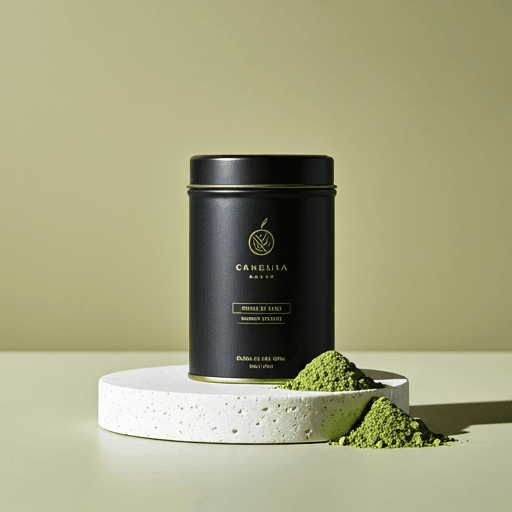
Sichuan black tea — known in China as Chuan Hong Gongfu (川红工夫) — is a golden-tipped congou black from the warm Sichuan basin, prized as one of the first new black teas to appear each year and famed for its sweet orange and brown-sugar character. Alongside Yunnan's Dian Hong and Anhui's Keemun (Qi Hong), it is counted among China's classic gongfu blacks.
What is Sichuan black tea?
Sichuan black tea is a strip-style, fully oxidized black tea produced chiefly in and around the city of Yibin in the southeast of Sichuan Province. Its Chinese name unpacks neatly: Chuan (川) is the traditional single-character abbreviation for Sichuan, Hong (红, "red") is the Chinese term for what the West calls black tea, and Gongfu (工夫) — anglicized as "congou" — signals a tea made with patience and skill, its leaves carefully rolled into tight, wiry strips. Put together, Chuan Hong Gongfu simply means "Sichuan skillful-work red tea."
What sets this tea apart from its more famous cousins is timing. Sichuan's climate coaxes the tea bushes out of winter dormancy remarkably early, so Chuan Hong is often among the earliest gongfu blacks of the season. The finished tea is dark and glossy, threaded with golden buds, and steeps to a bright red-orange liquor with a mellow, sweet cup. If you already know the general world of black tea, Chuan Hong slots in as the Sichuan member of China's congou family.
The Sichuan basin: terroir and an early-spring advantage
The Sichuan basin sits in China's southwest, ringed by mountains and blanketed for much of the year in low cloud and mist. Its humid subtropical monsoon climate brings mild, frost-light winters, high humidity, diffuse light, and warm, wet springs — a combination that suits tea bushes very well and, crucially, lets them wake early. Tea trees in the eastern and southeastern parts of Sichuan are reported to sprout roughly 39 to 40 days earlier than bushes in the cooler western reaches of the province, giving growers around Yibin a genuine head start on the year's harvest.
That head start is the story of Chuan Hong. Where many celebrated Chinese blacks are picked in April, the warmest Sichuan gardens can begin plucking in late February or early March, so a fresh Chuan Hong may reach the cup while other regions are still waiting for bud break. The plucking season itself is generous — commonly cited at 40 to 60 days for the spring flush, with the bushes in active growth for more than 200 days across the year. Early, tender spring shoots carry more amino acids and downy tips, which is exactly what gives premium Chuan Hong its sweetness and its glint of gold.
Chuan Hong Gongfu among China's great congou blacks
Chinese tea tradition groups the country's finest strip-style black teas as the "gongfu" or congou blacks, and three regional names are usually cited together as the leading, high-aroma trio:
| Congou black | Chinese name | Region | Signature character |
|---|---|---|---|
| Sichuan black (Chuan Hong) | 川红工夫 | Yibin, Sichuan | Early-season, golden-tipped, orange & brown sugar |
| Yunnan black (Dian Hong) | 滇红 | Yunnan | Bold, malty, honeyed, big golden buds |
| Keemun (Qi Hong) | 祁红 | Qimen, Anhui | Wine-like, floral, cocoa "Keemun aroma" |
Just as "Dian" (滇) marks a tea as Yunnanese and "Qi" points to Qimen, "Chuan" fixes this tea firmly in Sichuan. The three share a family resemblance — tight, tippy leaf and a smooth, sweet body — but each expresses its own terroir. Yunnan's Dian Hong leans big and malty from large-leaf Yunnan cultivars; the delicate, wine-like Keemun is built on small-leaf cultivars; and Chuan Hong lands between them, sweet and orange-bright with an early-spring lift. Fujian's own congou line — the honeyed Tanyang Gongfu, along with Bailin and Zhenghe Gongfu — rounds out the wider congou landscape.
Zao Bai Jian: the "early white tip" grade from Yibin
The name most associated with fine Chuan Hong is Zao Bai Jian (早白尖), which translates literally as "early white tip." It refers both to a local, early-budding tea plant group grown in the Yibin area — notably Junlian county — and to the premium early-spring grade made from it. The name is descriptive on two counts: the bushes break dormancy unusually early, and their young shoots carry a heavy coat of pale, silvery down on the tip — the "white tip" that becomes golden fuzz in the finished tea.
Because Zao Bai Jian is plucked at the very front of the season from tender one-bud-with-two-or-three-leaves sets, it concentrates the sweetness and aromatic lift that define top Chuan Hong. Traditionally, the highest grades are picked earliest and show the most golden tip; leaf that is coarser or later in the season yields a plainer, more everyday cup. When a Sichuan black is sold under the Zao Bai Jian name, it is generally staking a claim to that early, tippy, garden-fresh quality.
How Sichuan black tea is made
Chuan Hong follows the classic congou path, executed with the care its "gongfu" name implies. The broad sequence is:
- Plucking — tender spring shoots, ideally a bud with two or three young leaves, gathered early in the season.
- Withering — leaves are spread to soften and lose moisture, making them supple enough to shape without tearing.
- Rolling — the withered leaf is rolled to bruise the cells and coax them into slender, twisted strips, releasing juices that fuel oxidation.
- Oxidation — the rolled leaf rests in warm, humid air until it turns coppery and develops its sweet, fruity aroma; this full oxidation is what makes it a black (red) tea rather than a green tea or an oolong.
- Drying — a final firing halts oxidation and locks in the aroma, leaving the dark, glossy, gold-flecked strips ready for sorting into grades.
The skill of the maker shows in the rolling and the judgment of oxidation: too little and the cup is thin and grassy, too much and the delicate orange sweetness is buried under heavier, coarser notes.
What it looks, smells, and tastes like
Dry Chuan Hong is a picture of a good congou: tight, wiry, slightly curled strips, dark and lustrous, shot through with the golden buds that mark early, tippy pluckings. The higher the grade, the more gold you see. Brewed, it pours a clear, bright red-orange — the vivid "red" that gives Chinese black teas their name.
On the nose and palate, Chuan Hong is known for a warm, sweet aroma often described as orange-sugar or caramel. Expect notes of sweet citrus and orange peel, brown sugar and toffee, sometimes a whisper of cocoa or malt, all carried on a smooth, mellow, rounded body with a brisk, clean finish. It is a gentle, approachable black tea — low on astringency when brewed with a little care, and forgiving enough to drink straight, without anything added. That natural sweetness is a large part of why the tea earned an early export reputation.
A modern export congou
While Sichuan's tea culture reaches back centuries, Chuan Hong as a named, industrially produced congou is a relatively modern story. Its rise is usually dated to the early 1950s, when black-tea production was organized around Yibin: trial production is traditionally said to have begun in 1951, and the Yibin Tea Factory was established in 1952 to refine and standardize the tea. From there Chuan Hong quickly became an export success, shipped to markets including the Soviet Union, France, Britain, Germany, and Romania, where its sweetness and bright color earned it a strong reputation among China's black teas.
The tradition has since been formally recognized: the craft of making Chuan Hong Gongfu was listed as a Sichuan provincial intangible cultural heritage in 2014, cementing its status beside the older, better-known congou names. For a tea whose modern identity is younger than a century, that is a fast climb — driven, in large part, by the basin's early harvest and the appeal of a naturally sweet, golden-tipped cup.
How to brew Sichuan black tea
Chuan Hong rewards attention but does not demand it. Its sweetness comes through across a wide range of methods, from a relaxed Western steep to a fast, aromatic gongfu session. Use good, filtered water just off the boil; because the leaf is tender and tippy, water a touch below a rolling boil helps keep the cup smooth rather than sharp.
| Method | Leaf | Water | Temperature | Time |
|---|---|---|---|---|
| Western (mug/pot) | 3–4 g per 240 ml | 240 ml | 90–95°C | 3–4 minutes |
| Gongfu (gaiwan) | 5 g per 100 ml | 100 ml | 90–95°C | Rinse, then 10–20 s, adding a few seconds each round |
For a Western steep, one measured teaspoon or so per cup for three to four minutes gives a sweet, orange-bright brew that holds up to a second infusion. Gongfu style, a heavier leaf-to-water ratio and a series of short steeps lets you watch the aroma evolve from brown sugar toward orange peel and cocoa across four or five rounds. Taste as you go and pull the leaf early if you prefer a lighter, sweeter cup; Chuan Hong's low astringency means it stays pleasant even when steeped a little long.
Caffeine and wellness
As a fully oxidized black tea, Chuan Hong contains caffeine — generally in the moderate range typical of black teas, usually less than a similar volume of brewed coffee but more than most green teas. The exact amount depends on leaf grade, dose, water temperature, and steep time; the tippier, bud-heavy early-spring grades tend to sit toward the higher end. Like other true teas, it also supplies L-theanine and polyphenols, and moderate tea drinking is associated in research with everyday hydration and antioxidant intake. These are general associations, not medical claims: black tea is a pleasant daily beverage, not a treatment, and anyone limiting caffeine — during pregnancy, for instance, or with a heart or sleep condition — should follow the guidance of a qualified professional.
Approached as what it is — an early, golden, gently sweet Sichuan congou — Chuan Hong offers one of the most welcoming introductions to Chinese black tea, and a distinctive seasonal marker for anyone who likes to taste the very first flush of the year. To place it in the wider picture, it helps to know how the main types of tea relate to one another and where fully oxidized reds like this one belong.