
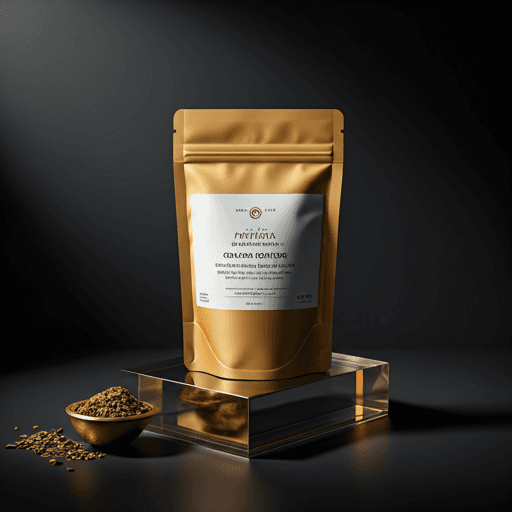
The bold heart of Sri Lanka's low country
Ruhuna ceylon tea is the dark, full-bodied, naturally sweet black tea grown in the warm lowlands of southern Sri Lanka, at elevations that rarely climb above about 600 metres (2,000 feet). Where the island's famous mountain teas are prized for brightness and delicacy, Ruhuna is the opposite pole of the Ceylon spectrum: a coppery-red cup that is thick, robust and unmistakably earthy-sweet, with notes often described as honey, molasses and dark fruit.
If you have ever enjoyed a strong, malty breakfast tea that stands up to milk without turning thin or bitter, there is a good chance the leaf came from this corner of the world. Ruhuna and its neighbouring low-country district supply a large share of the island's total output, making this one of the most widely consumed yet least talked-about styles of Ceylon tea. This guide explains where it grows, why it tastes the way it does, how it compares to the high-grown regions, and how to get the best from it in the cup.
What is ruhuna ceylon tea?
Ruhuna ceylon tea is a single-origin regional designation, not a brand or a single garden. Ruhuna is the name of one of the recognised tea-growing districts of Sri Lanka (the island historically known as Ceylon), and it sits at the low-elevation end of the country's growing map. Sri Lanka classifies its tea by altitude into three broad tiers — low-grown, mid-grown and high-grown — and Ruhuna is firmly a low grown ceylon tea, cultivated across the hot, humid Southern Province rather than in the cool central highlands.
Because altitude shapes character so strongly in Sri Lanka, the low-country style is a world apart from the mountain teas. High-grown gardens produce brisk, aromatic, lighter liquors; the warm lowlands produce a slower-oxidising leaf that yields a darker, heavier, sweeter brew. Almost all Ruhuna production is orthodox black tea, and for a broader picture of how these origins fit together it helps to read our overview of Ceylon tea and its regions alongside this piece. If you are new to the category itself, our primer on what black tea is covers the fully-oxidised processing that gives Ruhuna its bold colour and body.
Where Ruhuna grows: the terroir of southern Sri Lanka
Ruhuna takes its name from the ancient southern kingdom of Ruhunu, and the modern tea district spreads across the deep south of the island. It runs from coastal plains near sea level — around the historic ports of Galle and Matara — inland and upward toward the misty fringes of the Sinharaja rainforest, a UNESCO-listed lowland reserve. This gives the region an unusually wide range of micro-terroirs for a single low-country zone, from breezy, salt-touched coastal estates to humid forest-edge gardens.
Two things define the terroir. First, warmth: the low elevation and tropical latitude keep temperatures high year-round, so the tea bush grows quickly and vigorously. Second, the region's fertile soils, which many sources credit with encouraging that fast growth and producing a long, handsome leaf. Rapid growth in a hot climate tends to build the bold, dark, tannic character that defines southern sri lanka tea — the very opposite of the slow, stressed growth that gives high-mountain teas their finesse. Most low-country plants are of the broad-leaf assamica type and locally bred hybrids selected to thrive in exactly these warm, humid conditions, though estates rarely single out cultivar names on the pack.
It is worth naming Ruhuna's sister region here. Just to the north lies Sabaragamuwa, the island's other major low-grown district, centred on Ratnapura. The two are closely related — by many accounts Sabaragamuwa was originally considered part of the same southern tea belt — and sabaragamuwa tea shares much of Ruhuna's dark, sweet character, though tasters often find it a shade less powerful with a hint of caramel. Together these two lowland districts account for a majority of Sri Lanka's total tea production, commonly cited as well over half.
A short history of the southern tea belt
Tea reached Sri Lanka's central highlands first, in the second half of the 19th century, after leaf rust wiped out the island's coffee estates. The low country came later. Cultivation is generally said to have spread to the southern foothills around Galle and Matara near the turn of the 20th century, and — unlike the highland estates that were largely opened by British planters — a notable share of early Ruhuna gardens were established and worked by local Ceylonese growers. That smallholder character still marks the region today, where many tea plots are modest family holdings feeding independent factories rather than sprawling colonial-era estates.
The region's modern rise owes a lot to demand from abroad. Strong, dark, robust low-grown teas found a natural home in markets where a heavy, sweetenable cup is prized, and a surge in that demand through the later 20th century helped expand southern production dramatically. That export pull is a big reason Ruhuna grew from a latecomer into one of the island's production heavyweights.
How the leaf is processed
Ruhuna is an orthodox tea, meaning the leaf is worked through the classic four-step sequence rather than the cut-tear-curl (CTC) method used for many teabag fillers. Freshly plucked leaf is first withered to soften it and shed moisture, then rolled to bruise the cells and start oxidation, then left to oxidise fully — the stage that turns green leaf coppery and builds the malty, fruity depth — before being fired (dried) to lock in the flavour. In the warm, humid low country, oxidation runs readily, which is a big part of why Ruhuna develops such a dark, heavy, sweet character. Skilled sorting after firing separates the long, twisted whole leaf and golden tips from the smaller broken grades, and it is this careful orthodox handling that lets a single factory offer everything from a robust everyday leaf to a show-piece tippy lot.
Leaf styles, grades and sub-districts
One of Ruhuna's calling cards is the sheer variety and beauty of its leaf. The fast-growing bushes yield long leaves that skilled factories work into a wide range of styles, and the region is especially known for tippy grades — leaf laced with pale golden buds that fetch a premium and look dramatic in the caddy. You will encounter the standard orthodox Ceylon grade names, which describe leaf size and appearance rather than a simple quality score:
- Whole-leaf grades such as OP (Orange Pekoe) and Pekoe — longer, wiry leaf giving a rounder, gentler brew.
- Tippy leaf grades in the FBOP family (Flowery Broken Orange Pekoe and its tippy special variants) — the show-piece styles Ruhuna is celebrated for, rich in golden tip.
- Broken and smaller grades such as BOP, plus fannings and dust used in fast-infusing tea bags and strong blends.
Within the district, character shifts by sub-area. The coastal belt around Galle and Matara grows tea almost at sea level, while gardens near Deniyaya and the Sinharaja edge sit higher and cooler. This internal range is part of why Ruhuna factories can turn out everything from powerful, dark bakery-sweet teas to more refined tippy lots.
What ruhuna ceylon tea tastes like
Pour a well-made Ruhuna and the first thing you notice is colour: a deep coppery red, darker and denser than the amber of a highland cup. On the palate it is thick and full-bodied, low in the brisk astringency of mountain teas and instead built on a natural sweetness — think honey and molasses, with a suggestion of dark stone fruit, dried dates, malt and sometimes a whisper of cocoa or woodsmoke. The finish is smooth and lingering rather than sharp.
This is a tea with the backbone to carry milk and sugar without collapsing, which is exactly why ruhuna tea is a workhorse of strong breakfast-style blends. Drunk plain, a good tippy lot can be surprisingly elegant, its sweetness and body doing the work that brightness does in a highland tea. As with all tea it contains caffeine; a typical cup of black tea falls in a broad range — often cited around 40 to 70 mg per 8-ounce serving — but the exact level varies with the leaf, how much you use and how you brew it, so treat any single figure as a ballpark rather than a fact.
Ruhuna at a glance
| Attribute | Ruhuna (low-grown) |
|---|---|
| Region type | Low-grown Ceylon, Southern Province, Sri Lanka |
| Elevation | Roughly sea level up to about 600 m (2,000 ft) |
| Key sub-areas | Galle, Matara, Deniyaya; toward the Sinharaja rainforest edge |
| Main plant type | Broad-leaf assamica-type and local hybrids |
| Processing | Orthodox black: wither, roll, full oxidation, firing |
| Signature leaf | Long leaf and prized tippy grades (FBOP family) |
| Liquor colour | Deep coppery red, dark and dense |
| Flavour | Bold, thick, earthy-smooth; honey, molasses, dark fruit, malt |
| Best enjoyed | Strong plain or with milk; backbone for breakfast blends |
| Caffeine | Contains caffeine; varies with leaf, quantity and brewing |
How Ruhuna compares to neighbouring origins
The clearest way to place Ruhuna is against the mountain teas of the same island. The high-grown eastern region of Uva is celebrated for a distinctive seasonal briskness and a cooling, almost mentholic aroma; the western high-grown district of Dimbula gives a bright, clean, refreshingly crisp cup. Both are lighter in body and higher in aromatic lift than anything from the low country. Step down in altitude to the mid-grown Kandy region and you meet a middle ground — more body than the highlands, more brightness than the lowlands. Ruhuna sits at the far bold end of that ladder: darkest liquor, heaviest body, sweetest earthiness, least brisk.
Closer to home, its natural comparison is Sabaragamuwa, the island's other low-grown district. The two overlap heavily in style — both dark, both sweet, both full — but Ruhuna is generally regarded as the more powerful and earthy of the pair, while Sabaragamuwa leans a touch lighter with that caramel note. Beyond Sri Lanka, drinkers sometimes reach for Ruhuna where they might otherwise use a malty assamica-style black tea, because it offers similar strength and milk-friendliness with the smoother, sweeter signature of the Ceylon low country.
How to brew ruhuna ceylon tea
Ruhuna is forgiving and rewards a fairly assertive approach, but its natural sweetness means it does not need to be brewed to bitterness. A reliable starting point:
- Leaf: about 2 to 3 grams (a rounded teaspoon) per 200–250 ml cup; use a little more for tippy whole-leaf grades, which infuse more gently.
- Water: fully boiling, around 95–100°C (200–212°F). Fully-oxidised black teas want hot water to release their body and colour.
- Time: 3 to 5 minutes. Shorter for a smoother, sweeter cup; longer for maximum strength, though very long steeps can turn tannic.
- Milk: optional but excellent — Ruhuna's body and sweetness are built for it, which is why it anchors so many breakfast blends.
Because leaf styles vary so widely within the region, treat these as a baseline and adjust: a fine broken grade will brew faster and stronger than a long tippy leaf, so taste as you go. If you drink it plain, err toward the shorter end of the time range to keep that honeyed smoothness in front.
On the wellness question that often comes up with any bold black tea: like all true teas, Ruhuna delivers caffeine and naturally occurring plant compounds, and some people find a strong cup energising or enjoy it as part of a routine. Any such effects may vary, responses differ from person to person, and this is general information rather than medical advice — if caffeine affects you, adjust the strength, quantity or time of day accordingly.
The bottom line
Ruhuna is the deep, dark, honey-sweet voice of Ceylon tea — the low-country counterpoint to the island's brisk highland origins. Grown across the warm southern plains from the coast to the rainforest edge, it delivers a coppery, full-bodied, milk-friendly cup with a smooth, malty sweetness that has made it one of Sri Lanka's most important and widely blended teas, even if it rarely gets top billing on the label. Whether you meet it as the backbone of a breakfast blend or seek out a single tippy lot to drink plain, Ruhuna is worth knowing as the region that proves great Ceylon tea does not have to come from a mountain.