
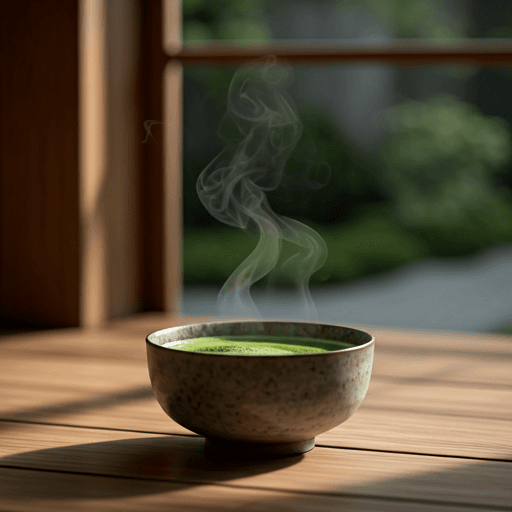
Premium tea is high-grade tea defined by three things: leaf quality, origin, and careful processing. In practice that means whole, hand-plucked loose leaf — usually the tender bud and top two leaves — grown on a specific estate or in a named region, picked at the right season, and shaped by a skilled maker. It is the opposite of the broken dust and fannings that fill most cheap tea bags. And the key thing to understand up front is that premium describes quality and provenance, not simply a high price tag.
What premium tea actually means
When a seller calls something premium tea, luxury tea, or high quality tea, they are (or should be) pointing to measurable things about the leaf in the packet rather than the marketing on the outside. A genuinely premium tea starts as carefully grown, carefully picked, and carefully made whole leaf. That is why the same plant — the tea bush, Camellia sinensis — can produce both a competition-grade single-estate lot and the anonymous blended dust in a supermarket teabag. The difference is almost never the species; it is grade, garden, timing, and craft.
Because "premium" is a claim about quality, the best premium tea is not automatically the most expensive one on the shelf. A modestly priced, freshly harvested single-origin can easily out-drink a pricier blend that has sat in a warehouse for two years. Price is one weak signal; the leaf, the label, and the cup are the real ones.
What separates premium tea from everyday tea
Several factors stack up to move a tea from commodity to premium. No single one is decisive on its own, but together they are what quality-focused premium tea brands are really selling.
Whole leaf versus dust and fannings
The clearest divide is leaf size and integrity. Premium tea is sold as whole or largely intact leaves; cheap tea is broken down into small particles called fannings and the even finer dust that fills most standard bags. Whole leaf brews more slowly, more evenly, and more forgivingly, giving a rounded cup with room to re-steep. Dust releases everything at once — fast, strong, and often flat or astringent. We keep the full loose-versus-bag comparison in our guide to tea bags versus loose leaf, but for judging quality the shorthand holds: bigger, more intact leaf usually means better tea.
Hand-plucked "two leaves and a bud"
The finest teas are hand-plucked, taking only the youngest growth — classically the unopened bud plus the top two tender leaves. This tippy top growth is the most flavorful and aromatic part of the plant. Machine harvesting is faster and cheaper but indiscriminate, sweeping in older leaves and stalk. When a label mentions careful hand-plucking or a high proportion of buds and tips, it is describing labour that goes straight into cup quality.
Single-estate and single-origin versus commodity blends
Premium tea can usually tell you where it came from: a named garden or estate, a specific region, sometimes even a particular section of hillside and a particular picking. Everyday tea is typically a commodity blend — leaf from many sources combined to hit a consistent, cheap, year-round house style. Blending is a legitimate craft, but a single-estate or single-origin tea offers something a blend cannot: a distinct sense of place, or terroir, that changes from garden to garden and season to season.
Harvest and flush timing
When the leaf is picked matters enormously. Many of the world's great teas are prized for a specific harvest window — the "flush." A first-flush Darjeeling picked in early spring tastes nothing like a later-season lot from the same estate. Japanese green teas made from the first spring harvest (ichibancha) are more delicate and sought-after than later pickings. Premium tea tends to state its harvest season, and often the exact year, because timing is part of what you are paying for.
Freshness
Most teas — especially green, white, and lightly oxidized styles — are at their best relatively soon after they are made, and fade with time, light, heat, and air. A premium tea therefore usually carries a harvest date, not just a distant "best before," and is packed to protect the leaf. (Aged teas such as some pu-erh are a deliberate exception, matured on purpose — but even there, quality depends on how, not merely how long.)
Cultivar and terroir
Just as wine grapes have varieties, tea has cultivars — specific bred varieties of the tea plant, each with its own aromatic signature. Combined with terroir (soil, altitude, climate, shade), the cultivar shapes a tea's character before it is ever plucked. High-altitude gardens, cool mountain mist, and slow growth generally concentrate flavour, which is why so many famous origins sit on hillsides.
Skilled processing and leaf grading
After picking, skilled hands decide how the leaf is withered, rolled, oxidized, fired, or shaped — the craft that turns one raw leaf into a green, white, oolong, black, or dark tea. Poor processing can waste even excellent leaf. For black tea in particular, the trade uses a grading vocabulary (letter codes such as the long SFTGFOP style, describing wholeness and the proportion of golden tips) to signal leaf grade. You do not need to memorize the codes — we unpack them in our guide to full-leaf tea — but the more tippy, whole, and intact the grade, the more premium the lot.
Signals of a premium tea, at a glance
None of these guarantees greatness alone, but a tea that ticks most boxes is far more likely to be genuinely high quality tea than one that ticks few.
| Signal | What premium looks like |
|---|---|
| Leaf form | Whole, intact leaves; little broken dust or fannings |
| Plucking | Hand-plucked bud and top two leaves; visible tips |
| Sourcing | Named estate, garden, or single origin — not just "blend" |
| Harvest | A stated flush or season, often with the exact year |
| Freshness | Recent harvest date; well sealed and protected from light |
| Dry-leaf aroma | Vivid, distinctive, and clean — not dull or musty |
| The liquor | Bright, clear, and complex; not flat or muddy |
| Re-steeping | Gives several satisfying infusions from one measure |
What premium tea looks like across the types
Every major category has its benchmark lots — the teas that quality obsessives point to as examples of the style done properly. We tour the categories themselves in types of tea explained; here they simply illustrate what premium means in each family.
- Black tea: first-flush Darjeeling from a named Himalayan estate, with its delicate, muscatel spring character.
- Green tea: Japanese gyokuro, shade-grown before harvest for an intense sweet-umami cup, and top spring senchas.
- Oolong: competition-grade high-mountain and rock oolongs, hand-processed through many careful stages.
- White tea: silver needle (bai hao yinzhen), made only from plump downy buds picked over a short window.
- Matcha: ceremonial-grade stone-ground powder from shaded first-harvest leaf, vivid green and smooth.
- Dark tea: well-made, properly stored aged pu-erh, where careful maturation adds depth rather than merely age.
Notice the pattern: in every case the premium example is defined by young or carefully chosen leaf, a specific origin, a particular harvest, and skilled making — the same four ideas, expressed differently.
How to judge tea quality yourself
You do not need a tasting certificate to sort good from ordinary. Use your senses in sequence.
- Look at the dry leaf. Whole, well-formed leaves with visible buds and tips beat a bag of uniform brown crumbs. Colour should look alive and appropriate to the type.
- Smell it dry, then warmed. Premium leaf has a vivid, specific, clean aroma. Flat, dusty, papery, or stale smells are warning signs.
- Watch the liquor. A good cup is bright and clear, whatever its colour. Dull, muddy, or lifeless liquor suggests low grade or old leaf.
- Re-steep it. Quality whole leaf gives several good infusions; cheap dust is usually spent after one.
- Read the wet leaf. After brewing, spread the leaves out. Premium tea unfurls into recognizable whole leaves and buds; commodity tea collapses into shapeless fragments.
Brew fairly, too: even the best leaf disappoints if scalded or over-steeped, so match water temperature and time to the type before you judge it.
How to buy and store premium tea
Buying well is mostly about trusting the right sources and reading the label. Favour reputable specialist merchants who name the origin, state the harvest season and ideally the year, and describe the leaf grade and processing rather than hiding behind vague words like "finest" or "gourmet." Transparency is itself a quality signal — sellers of genuinely premium tea brands tend to tell you exactly what you are getting. Where you can, buy small and buy fresh rather than stockpiling; most teas reward drinking within months of harvest.
Storage then protects your leaf. Tea's enemies are air, light, heat, moisture, and strong odours. Keep leaf in an opaque, airtight container in a cool, dry, dark cupboard — away from spices, coffee, and the stove. Do not refrigerate everyday leaf (condensation and fridge smells do more harm than good). Buy amounts you will actually drink while fresh, and the cup will stay close to how it tasted the day it was made.
The bottom line
Premium tea is not a marketing tier or a price bracket; it is the sum of good leaf, an honest origin, the right harvest, and skilled hands — expressed as whole loose leaf you can see, smell, and re-steep. Learn to read those signals and you can find genuinely high quality tea across every style and budget, and spot the pretenders that are only luxury tea in name. Start with a single named-origin leaf you can taste attentively, and let your own cup, not the label, be the final judge.