
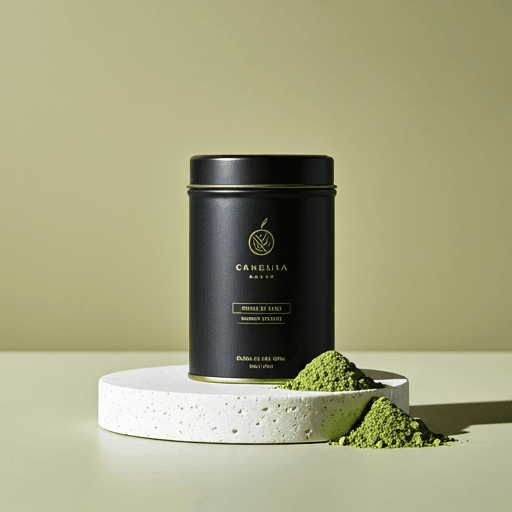
What is Myanmar tea?
Myanmar tea is one of the tea world's best-kept secrets: a highland tradition in which the same leaf is both poured into a cup and eaten off a plate. Grown mostly in the cool, misty Shan highlands of eastern Myanmar (formerly Burma), it spans savory green teas, malty black teas, and — most famously — lahpet, a fermented tea leaf served as a salad and treated as something close to a national treasure. If you have only ever met tea as a drink, this origin quietly rewrites the rules.
The short version: Burmese tea comes largely from ancient, semi-wild broad-leaf tea gardens on the Shan Plateau, tended for centuries by hill peoples such as the Palaung (Ta'ang) and Wa. The leaf is processed three ways — dried as green tea, oxidized as black tea, or steamed and buried to make pickled tea. That third path is what makes Myanmar unusual: it is one of the few cultures on earth that treats tea as food as readily as beverage.
Why "Myanmar tea" means more than a drink
In Burmese, the word for tea is lahpet (also spelled laphet), and it stretches to cover both the plant and the fermented leaf you eat. Drinking teas have their own names — green tea brewed plain is an everyday companion, while sweet milk tea, a legacy of the colonial teahouse era, remains a social ritual in towns and cities. But the leaf's deepest identity is edible. Understanding Myanmar tea means holding both ideas at once: a beverage crop grown across the eastern hills, and a fermented delicacy woven into hospitality, ceremony, and even old systems of justice.
Where it grows: the Shan highlands and terroir
The heart of Shan State tea is the Shan Plateau in the country's east, a rumpled landscape of ridgelines, cloud forest, and terraced gardens. The most storied tea district sits around Namhsan in the old Palaung principality of Tawngpeng in northern Shan State, though tea also grows in pockets across the Kachin hills and around towns like Kalaw, Pindaya, and Mogok. These are working landscapes where tea has been part of village life for many generations rather than plantation monocultures.
Elevation does much of the flavor work. Gardens are commonly cited at roughly 1,200 to 1,800 meters, high enough that cool nights slow the leaf and concentrate aroma. Annual rainfall is often given as somewhere around 1,000 to 1,600 millimeters, feeding a long, mist-shrouded growing season. Many of the oldest plots are less like fields and more like an ancient tea forest: tall, gnarled trees of the broad-leaf assamica variety, some reputed by many accounts to be several hundred to over a thousand years old, growing wild or semi-wild among other vegetation. That old-growth character — deep roots, biodiverse soil, minimal intervention — is exactly what gives the region's leaf its depth.
The main flush is generally picked in spring before the monsoon breaks, with lighter harvests continuing into the wet months. Because so much of the crop is small-holder and hand-plucked from mature trees, quality and character vary garden to garden, which is part of the appeal for anyone who chases single-origin nuance.
History and the making of lahpet fermented tea
Tea cultivation in the Shan hills reaches back many centuries. A widely repeated legend credits a medieval Bagan-era king with gifting tea seeds to the Palaung around Namhsan, and by the late pre-colonial period tea had become a genuine export crop for the region, cultivated heavily in Tawngpeng. The Palaung are frequently described as Myanmar's original tea people, and their gardens still supply much of the finest leaf.
What sets this origin apart is lahpet fermented tea. To make it, freshly picked leaves are briefly steamed to halt oxidation, then packed tightly into bamboo tubes or pits dug into the ground, pressed under heavy weights, and left to ferment. Traditional accounts describe burial for anywhere from a few months up to around two years, during which microbes transform the leaf into something tangy, savory, and faintly funky — pickled rather than dried. The finest, most tender leaves are reserved for this treatment.
Lahpet's cultural weight is hard to overstate. In pre-colonial and colonial times it was exchanged as a symbolic peace offering between rival kingdoms and eaten after a dispute was settled. By many accounts it was also served once a court judge delivered a verdict; consuming the offered lahpet signaled formal acceptance of the ruling. Today its role is gentler but no less central: a plate of pickled tea is a classic gesture of hospitality, offered to guests, shared at celebrations, and eaten as a pick-me-up snack. Because tea naturally contains caffeine, it has long doubled as something to help people stay alert — though, as with any caffeinated food, effects vary from person to person, and this is general information rather than medical advice.
Styles, grades, and how the leaf is used
Myanmar tea sorts roughly into three families, all drawn from the same highland gardens:
- Green tea: steamed or pan-fired and dried, kept unoxidized. If you want to understand how this fits into the wider tea family, our overview of the types of tea explained lays out how one leaf becomes green, black, or fermented depending on processing.
- Black tea: fully oxidized, giving darker, maltier cups. The broad-leaf assamica base means these can be robust and honeyed rather than delicate.
- Fermented (pickled) tea — lahpet: the steamed-and-buried leaf, sold moist and used mainly as food. This is the star of lahpet thoke, the tea leaf salad.
Grading here is less standardized than in the big export origins; quality tends to be spoken of in terms of garden, tree age, and the tenderness of the pluck — the youngest buds and top leaves command the most respect, and the most delicate of them are set aside for pickling rather than drinking. Lahpet thoke assembles the fermented leaf with a chorus of textures: fried garlic, roasted peanuts, crunchy fried beans and lentils, toasted sesame, dried shrimp, fresh tomato, shredded cabbage, green chili, a squeeze of lime, oil, and often fish sauce. The components are frequently arranged in separate mounds so each person can mix their own balance of sour, salty, bitter, and crunchy. It is snack, salad, and caffeine hit in one bowl — a genuinely distinctive way to consume tea.
What Myanmar tea tastes like
Flavor depends heavily on which of the three paths the leaf took. Green teas from the Shan highlands tend toward the savory and brothy — think steamed greens, a vegetal sweetness, sometimes a mineral or nutty edge, with the smooth body that old assamica trees lend. Black teas lean malty and honeyed, occasionally with dried-fruit or cocoa notes, generally rounder and less brisk than mass-market breakfast blends.
Lahpet is a different world entirely. Eaten, the fermented leaf is tangy and umami-rich, slightly bitter and astringent, with a pickled, almost pleasantly funky depth that plays off the crunchy, salty, sour elements around it. It is closer in spirit to a fermented vegetable than to a cup of tea, which is precisely why it surprises newcomers.
Myanmar tea at a glance
| Attribute | Detail (hedged where uncertain) |
|---|---|
| Main growing region | Shan Plateau (eastern Myanmar); Namhsan / Tawngpeng in northern Shan State most storied |
| Traditional growers | Palaung (Ta'ang) and Wa hill peoples, among others |
| Plant | Broad-leaf assamica variety; many old, semi-wild trees |
| Elevation | Commonly cited around 1,200–1,800 m |
| Product families | Green tea, black tea, and fermented "lahpet" (pickled) tea |
| Signature dish | Lahpet thoke — fermented tea leaf salad |
| Green tea flavor | Savory, vegetal, brothy, smooth |
| Black tea flavor | Malty, honeyed, rounded |
| Fermented leaf flavor | Tangy, umami, faintly funky, astringent |
| Cultural role | Hospitality, ceremony, historic peace offering and legal ritual |
How Myanmar tea compares to neighbouring origins
Myanmar sits inside the great cradle of tea. Its eastern hills belong to the same broad-leaf assamica belt that runs through southwest China's Yunnan province and across the borders into Laos and northern Thailand — a single ecological continuum of old tea trees rather than tidy national boundaries. That shared heritage means Shan-grown leaf has real kinship with Yunnan's famous teas.
| Origin | Signature style | How it relates to Myanmar tea |
|---|---|---|
| Myanmar (Shan) | Green, black, and edible fermented lahpet | The reference point — uniquely food-forward |
| Yunnan (China) | Pu-erh and rich black teas | Same old-tree assamica belt; strongest cousin |
| Laos | Wild and old-growth green and dark teas | Neighboring forests, closely related terroir |
| Northern Thailand | Wild-tree and semi-wild teas | Shares the cross-border old-growth tea zone |
A useful way in is through Yunnan: our guide to Dian Hong Yunnan black tea shows the malty, honeyed profile that assamica trees can produce, and Myanmar's black teas travel similar territory. On the greener, wilder side, our look at Laos tea covers a neighbor whose old-growth forests and processing traditions closely echo the Shan hills. Where Myanmar diverges from all of them is the plate: no neighbor has built a national dish out of the leaf the way lahpet does.
How to brew Myanmar tea
For the drinking teas, treat the broad-leaf assamica base with a little respect and it rewards you. As a general starting point rather than a strict rule, try roughly 2 to 3 grams of leaf per 200 milliliters of water. For Shan green tea, cooler water — around 75 to 85 degrees Celsius — keeps it sweet and savory and avoids scorching; steep for about 1 to 2 minutes and taste as you go. For black tea, use near-boiling water and steep 3 to 4 minutes, adjusting to strength. Old-tree leaf often takes several short infusions gracefully, so consider re-steeping before you discard it. Our walkthrough on how to brew loose leaf tea covers the mechanics — leaf-to-water ratio, temperature, and timing — in more depth.
Lahpet is not brewed at all; it is eaten. If you encounter the fermented leaf, rinse or drain it as directed, then combine it with the crunchy salad elements and dress with lime and oil. Because both the drinking teas and the fermented leaf carry caffeine — and exact levels vary with the leaf, the quantity, and the brewing or preparation — go by how you feel rather than a fixed number. If you are exploring green tea specifically for a wellness angle, our guide to green tea benefits is a measured place to read more; note that any potential benefits are hedged with "may," responses vary from person to person, and none of this is medical advice.
The bottom line
Myanmar tea is an origin worth seeking out precisely because it refuses to stay in the cup. From ancient assamica trees on the Shan Plateau come savory greens and honeyed blacks that hold their own against their better-known Yunnan cousins — and then there is lahpet, the fermented tea leaf that turns the same harvest into a salad, a snack, and a centuries-old gesture of peace and welcome. Taste the leaf both ways and you understand something the rest of the tea world mostly forgot: tea began as a plant of the forest and the table, not just the teapot.