
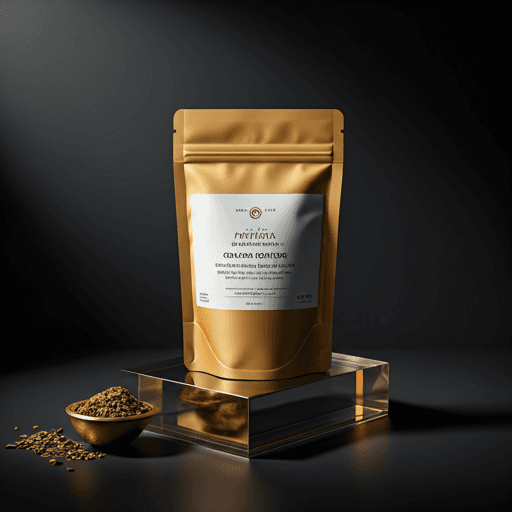
Muzha (Mucha) Tieguanyin (木栅鐵觀音) is the Taiwanese, deeply roasted expression of Tieguanyin, grown in the terraced hills of the Muzha district in the south of Taipei. Where the modern mainland style leans light, green and floral, this version is medium-to-heavily oxidized and then patiently charcoal-roasted, giving a warming, caramel-sweet, ripe-fruit cup with a faint tang. It is best understood as the roasted Taiwan cousin of the original Anxi Iron Goddess — the same lineage, a very different temperament.
What is Muzha Tieguanyin Oolong?
Muzha Tieguanyin oolong is a ball-rolled oolong made in and around the Muzha district and the neighboring Maokong hills, a tea-growing pocket tucked into the southern edge of Taipei. In its most traditional form it is grown from the Tieguanyin tea plant itself, oxidized well past the level of a green oolong — commonly cited around 30 to 40 percent — rolled into tight nuggets, and then finished with repeated slow charcoal roasting.
That roasting is the signature. It turns the leaf dark and glossy, mutes the raw floral notes, and coaxes out toasted, caramelized, almost fruit-preserve flavors. Good examples still carry the guan yin yun (觀音韻), the lingering mineral-floral “Iron Goddess rhyme” that drinkers use as a marker of quality. In short, Muzha Tieguanyin oolong takes the aromatic Iron Goddess character and layers warmth and depth over the top of it.
A tea carried from Anxi to Taipei
The Tieguanyin plant is not native to Taiwan. It was carried across the strait from Anxi county in Fujian province in mainland China in the early 1900s, and the Zhang family of Muzha is commonly credited with bringing the cultivar and its know-how to the district. Accounts of the exact date vary — some point to the 1890s, while a widely repeated version places the key journey around 1919, when members of the Zhang clan traveled back to Anxi and returned with a few hundred seedlings of the finest sub-variety. As with much oral tea history, the precise year is contested, so it is safest to say “the early twentieth century.”
What matters is that the Muzha growers did not simply copy Anxi. Over the decades they built a distinctly local, roast-forward house style and a competition culture around it, and Muzha became known as one of the guardians of the older, orthodox way of making Tieguanyin — even as the mainland moved toward a greener, lighter profile.
Zhengcong versus “Tieguanyin as a style”
One of the most confusing things about this tea is that the word “Tieguanyin” does two jobs at once, and understanding the split is the key to knowing what is in your cup.
- Tieguanyin the cultivar — an actual, specific tea plant. In Muzha, the true-lineage plant is often called zhengcong (正欉, “orthodox” or “true-stock”) Tieguanyin, and it traces back to the Anxi sub-variety usually named Hongxin Waiwei Tao (紅心歪尾桃, “red-heart crooked-tail peach”). It is low-yielding and fussy to grow, so genuine zhengcong plantings are scarce.
- Tieguanyin the processing style — the ball-rolled, well-oxidized, charcoal-roasted method. Because that style is so recognizable, tea made this way from other, more productive cultivars (such as the widely planted Jinxuan) is also sold under the Tieguanyin name.
Neither use is “wrong,” but they are not the same tea. A true zhengcong Muzha Tieguanyin is made from the Tieguanyin plant and processed in the traditional roasted way; a style-based Tieguanyin borrows the method without the original cultivar. When a vendor is precise, they will tell you which one you are drinking.
How Muzha Tieguanyin is made
The processing is where Muzha earns its reputation for patience. After plucking, the leaves are withered and then bruised and tumbled to start oxidation, which is carried further than it would be for a jade-green oolong. The partly oxidized leaf is then rolled — traditionally wrapped in cloth and kneaded into a tight ball, unrolled, and re-rolled many times — until it forms the compact, curled nuggets typical of ball-rolled oolongs.
The defining step is the roast. Finished leaf is roasted slowly over charcoal (or in carefully controlled ovens), often in several sessions spread over time, with the tea rested between rounds. A skilled roaster is chasing sweetness and depth without scorching the leaf into flatness or ash. The result ranges from a lighter, amber-roasted style that keeps some brightness to a deep, dark roast that tastes of caramel, dried longan, and warm bread crust. This layered roasting is exactly what separates a Muzha Tieguanyin from the pale, unroasted mainland style.
Roast levels and aging
Not every Muzha Tieguanyin is roasted to the same depth. Lighter, amber roasts stay closer to the floral side and keep the fruit bright; darker roasts trade some aroma for a thick, sweet, almost molasses-like body. Traditional drinkers also prize the tea's ability to age. Kept dry and sealed, a well-roasted batch can mellow over months and years, the sharper edges of the roast rounding into deeper caramel and dried-fruit notes. Some Muzha families periodically re-roast their stored tea to refresh it — a practice that echoes the old habit of treating roasted oolong as something to keep and revisit rather than drink up quickly.
What Muzha Tieguanyin tastes like
Expect a cup that is warming rather than fresh. The color runs from bright amber to deep chestnut depending on the roast. Aromas lean toasted and sweet — roasted nuts, caramel, baked stone fruit, a whisper of charcoal — and the flavor follows with ripe fruit, brown sugar, and that characteristic gentle tang that keeps the sweetness from feeling heavy. Underneath it all, a good one leaves the mineral, faintly floral guan yin yun echoing on the finish and returning as a cooling sweetness (hui gan).
Because the roast adds body, Muzha Tieguanyin feels fuller and rounder in the mouth than a green oolong, and it holds up well to many infusions. Set beside the modern light Iron Goddess, the contrast is stark: one is a spring garden, the other a hearth. That warmth makes it a natural companion for the afternoon and the cooler months, and it sits happily alongside roasted nuts, dark caramel, baked pastries, or a simple square of dark chocolate.
| Trait | Muzha Tieguanyin (Taiwan) | Modern light Anxi Tieguanyin (mainland) |
|---|---|---|
| Oxidation | Medium-to-heavy (often ~30–40%) | Light, green-leaning |
| Roast | Repeated charcoal roasting; central to the style | Little to no roast |
| Leaf color | Dark, glossy nuggets | Jade green nuggets |
| Aroma | Toasted, caramel, ripe fruit, faint charcoal | Fresh orchid, lilac, floral |
| Cup | Warm, sweet, roasty, slightly tangy | Bright, buttery, floral |
| Best mood | Cozy, autumnal, contemplative | Fresh, uplifting, aromatic |
How to brew Muzha Tieguanyin
Roasted ball-rolled oolongs reward a small vessel and many short steeps. A gongfu approach in a gaiwan or small clay pot lets the roast unfold gradually rather than dumping it all into one cup.
- Leaf: fill roughly a fifth of the vessel with dry nuggets — they open dramatically once wet.
- Water: use fully boiling water, around 95–100°C; roasted oolongs like the heat.
- Time: a quick rinse, then short infusions — start near 15–20 seconds and add a few seconds each round.
- Rounds: expect six or more steeps; the middle infusions often show the sweetest, most balanced character.
A well-rested roast tastes cleaner than a freshly roasted one, so if a young batch seems sharp or ashy, giving it a few weeks in a sealed jar often lets the roast settle and the fruit come forward. If you are new to the method, the same short-steep fundamentals that suit any ball-rolled oolong apply here.
Muzha Tieguanyin among Taiwan's oolongs
Roasting runs deep in Taiwan's tea culture, and Muzha Tieguanyin sits comfortably in that tradition. It shares a family resemblance with Dong Ding, another classic roasted Taiwan oolong, though the two come from different regions and cultivars and each carries its own signature. For the wider picture — the high-mountain greens, the roasted lowland styles, and where this district fits — see our overview of Taiwanese tea. And to trace the flavor back to its source, compare it with the mainland original in our guide to Tieguanyin, the Iron Goddess oolong.
On caffeine: like other oolongs, Muzha Tieguanyin is moderately caffeinated — often cited around 30 to 60 mg per cup, though the real figure varies widely with leaf grade, amount used, water temperature, and steep time. Tea may offer a gentler lift than coffee for some drinkers, but this is general information, not medical advice; if caffeine affects you, adjust your steeping and timing to suit.
The short version
Muzha Tieguanyin is the roasted Taiwan chapter of an old Anxi story: the Iron Goddess plant, carried to a Taipei hillside a century ago and reshaped by fire into something warm, sweet, and deeply satisfying. Whether you drink a scarce zhengcong or a well-made style-based version, it is a fine way to understand how much a single tea can change when a region decides to roast it.