
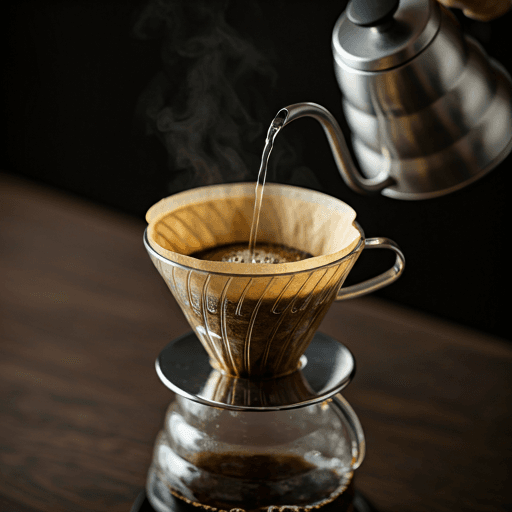
Is black coffee good for cholesterol? The honest answer is nuanced: black coffee itself contains no cholesterol — the roasted bean has none, and unsweetened it has virtually no calories — so what really matters is how you brew it. Unfiltered coffee carries natural oils that research suggests can modestly raise LDL ("bad") cholesterol, while a paper filter traps most of them. So a plain cup of filtered black coffee has little effect on cholesterol for most people, and the villains most of us should worry about are the cream, sugar and syrups we add, not the coffee.
Black coffee and cholesterol: what's actually in the cup
Cholesterol is a fatty substance found only in animal foods — meat, eggs, dairy and the like. Coffee is a plant, so a roasted, ground bean has zero dietary cholesterol to begin with. Brewed black and unsweetened, it is essentially water plus dissolved coffee solids, with next to no calories. If you want the full picture of what the drink is, our guide to what black coffee is covers the basics; here we are focused only on the cholesterol question.
So when people ask "does coffee raise cholesterol?", the mechanism has nothing to do with cholesterol being present in the cup. It also is not really about caffeine. Decaffeinated coffee shows the same brewing-related effect, which tells scientists the caffeine is not the driver. The real story is a pair of oily compounds carried in coffee's own natural oils — and whether your brewing method lets them into the cup.
Cafestol and kahweol: the coffee diterpenes
Coffee beans naturally contain oils, and within those oils sit two fatty molecules called cafestol and kahweol, together known as coffee diterpenes. Cafestol in particular is one of the most potent dietary compounds known to raise cholesterol. Research suggests it interferes with the way the liver manages LDL receptors and bile-acid regulation, which can, over time and at higher intakes, nudge LDL cholesterol upward.
The key word is modestly. The effect from ordinary coffee drinking is generally small and depends on dose — how much diterpene-rich coffee you drink, how often, and for how long. A single espresso now and then is a very different exposure from several large cafetiere mugs every day for years. And because these compounds ride in the oils, the amount that reaches your cup is decided almost entirely by one thing: your filter. This is why "cafestol coffee" turns up so often in cholesterol conversations — it is the specific compound a paper filter is so good at catching.
Filtered vs unfiltered coffee: the cholesterol table
A paper filter physically traps the oils, and with them most of the cafestol and kahweol. Metal mesh, cloth and pressure-only methods let far more oil through — which is exactly why unfiltered coffee and cholesterol are so often mentioned together. Here is roughly how common brewing methods compare. Treat the levels as general and relative, not exact figures, because grind, dose and beans all shift the numbers.
| Brew method | Paper-filtered? | Diterpene (cafestol/kahweol) level |
|---|---|---|
| Pour-over / drip (V60, Chemex, Kalita) | Yes, paper | Low |
| Automatic drip machine with paper filter | Yes, paper | Low |
| Instant coffee | Filtered during production | Low |
| Espresso | No paper (metal + pressure) | Moderate |
| Moka pot (stovetop) | No paper (metal) | Moderate |
| French press / cafetiere | No (metal mesh, immersion) | High |
| Turkish / boiled coffee | No, grounds stay in | High |
| Cold brew | Depends on the filter used | Low to moderate |
The pattern is simple: paper filtration means low diterpenes, and immersion or boiled methods that keep the oils (or the grounds) mean more. Espresso and moka sit in the middle — smaller serving sizes, but no paper. A cafetiere is the classic example of a much-loved brew that happens to be on the high end. If you enjoy that style but want to trim the oils, you can brew a French press and then pour it through a paper filter into your mug, which knocks the diterpene load down considerably.
So how much does it actually matter?
For most people, the honest takeaway is: less than the internet sometimes implies, but not nothing. Studies suggest that consistently drinking large amounts of unfiltered coffee over long periods is associated with small increases in LDL and total cholesterol, while filtered coffee shows little to no such link. The effect is dose-dependent — a couple of filtered cups a day is negligible in cholesterol terms, whereas several unfiltered mugs daily is where any measurable nudge tends to show up.
It is also worth keeping perspective. Coffee is a complex drink with plenty of upsides too, which we cover in our roundup of black coffee benefits and the broader question of whether coffee is good for you. Cholesterol is one thread in a much larger fabric of diet, activity, genetics and overall pattern of eating. Responses vary a great deal from person to person, and this is general information, not medical advice.
Is black coffee good for cholesterol? Practical takeaways
If you are keeping an eye on your LDL, a few low-effort habits cover most of what is in your control:
- Use a paper filter when you can. Pour-over, drip machines and paper-lined setups remove most of the cafestol and kahweol, so filtered black coffee is the gentlest choice for cholesterol.
- Enjoy unfiltered styles in moderation. French press, moka, espresso and Turkish coffee are all fine to drink — just be aware they carry more diterpenes, so heavy daily habits add up more than an occasional cup.
- Keep it black, or close to it. This is the biggest lever most people overlook. Heavy cream, whole milk, flavored creamers, sugar, syrups and whipped toppings add saturated fat and sugar that matter far more to your overall cardiometabolic picture than the coffee's own oils.
- Filter your cafetiere brew if you love immersion coffee but want fewer oils — a quick pass through a paper filter is an easy compromise.
Above all, remember that everyone's body responds differently, and cholesterol is influenced by many things beyond your morning cup. This article is general and not medical advice — if you have raised cholesterol, a family history of heart disease, or specific concerns, talk to your own doctor or healthcare provider about what makes sense for you.
The bottom line
Black coffee brings no cholesterol into your cup, and filtered black coffee has little measurable effect on it for most people. The one real caveat is unfiltered coffee, whose cafestol and kahweol can modestly raise LDL when you drink a lot of it over time — a caveat a simple paper filter mostly solves. Brew it the way you love, lean on paper filtration if your LDL is on your mind, and keep the sweeteners and creamers in check, because that is where the bigger cholesterol story usually lives.