
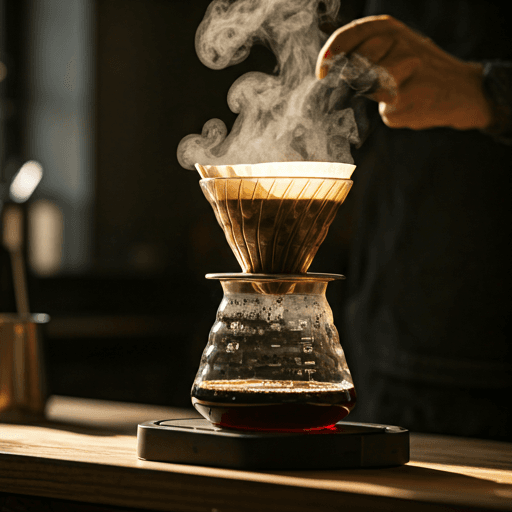
International Coffee Day is a worldwide celebration of coffee held every year on October 1. It was launched by the International Coffee Organization (ICO) and first marked on 1 October 2015 in Milan, Italy, alongside Expo 2015. The day has two jobs: to celebrate the drink that billions of people enjoy, and to shine a light on the millions of farmers who grow it and the case for fair, sustainable trade that supports them.
If you have ever seen your favorite cafe run a promotion on the first of October, or noticed roasters posting about the origins of their beans, this is why. Below is a plain-language guide to what the day is, where it came from, why some countries mark coffee on other dates, and easy ways to take part wherever you are in the world.
What Is International Coffee Day?
International Coffee Day is a single, unifying date on which coffee organizations, roasters, cafes and drinkers around the globe celebrate coffee together. It is not a public holiday and nobody has to buy anything. Think of it as a shared moment of appreciation, part festival and part awareness campaign, that ties together events happening on every continent where coffee is grown or loved.
The ICO, an intergovernmental body that brings together many coffee-exporting and coffee-importing countries, created the day to give the whole coffee world one recognizable date. Before 2015 the idea already existed in scattered form, with a handful of countries running their own coffee days, but there was no single global anchor. October 1 became that anchor.
| Aspect | Detail |
|---|---|
| Date | October 1, every year |
| First observed | 1 October 2015, in Milan (during Expo 2015) |
| Launched by | The International Coffee Organization (ICO) |
| Main themes | Celebrating coffee; supporting farmers and fair, sustainable trade |
| How it is marked | Cafe events and promotions, tastings, education, farmer-support campaigns |
| Related observance | International Tea Day, the tea counterpart |
When it is and where it came from
The date is fixed: October 1. ICO member states agreed to organize the day at a meeting in March 2014, and the first official International Coffee Day was staged in Milan the following year. Milan was a fitting stage, given Italy's deep espresso-bar tradition, and Expo 2015 gave the launch a global audience.
Each year since, the day has carried a rotating focus. Some years spotlight sustainability and climate pressures on coffee farms; others highlight the next generation of growers, or simply the pleasure and craft of a good cup. The through-line never changes: connect the person holding the mug with the person who grew the beans.
National coffee day versus the global date
Here is a point of confusion worth clearing up. International Coffee Day on October 1 is the single global observance. Separately, many countries also keep their own national coffee day on other dates, and some of these predate or sit alongside the international one.
A well-known example is the United States, where national coffee day is widely marked on September 29, just two days before the global date. Other countries scatter their coffee days across the calendar, and coffee-growing and coffee-loving nations around the world have their own local versions. So if a friend abroad tells you their coffee day is not October 1, they are not wrong; they are simply talking about their national coffee day rather than the global one. Both can coexist happily.
What the day is really about: farmers and fair trade
Behind the free-coffee promotions sits a serious purpose. Coffee is grown by an estimated 25 million or so smallholder farmers, mostly across a band of tropical countries. Their incomes are exposed to volatile global prices, unpredictable weather, plant disease and the long, slow squeeze of climate change on the land where coffee grows well.
International Coffee Day is used to raise awareness of that reality and to make the case for paying growers fairly. That is where ideas like fair-trade and other sustainability certifications come in, aiming to secure a more dependable price and better conditions for producers and their communities. You do not have to be an expert to help, and the day is a natural moment to learn how the supply chain actually works. Our guide to fair-trade coffee goes into the detail this section only touches.
The simple idea at the heart of the day: every good cup starts with someone's harvest, and that person deserves a fair share of what you pay.
How International Coffee Day is marked around the world
Because it is global, the day looks different everywhere, which is part of the charm. Common ways it shows up include:
- Cafes and roasters run tastings, cupping sessions, discounts or a free cup, and often feature a specific origin or single-farm coffee for the day.
- Coffee organizations and brands publish education about origins, brewing and sustainability, and run campaigns that direct support or attention toward growers.
- Coffee festivals and expos cluster around the date, with latte-art throwdowns, brewing demos and producer talks. Many of the world's coffee festivals time their events to the season.
- At home, people simply make a point of brewing something a little more thoughtfully than usual, or trying a coffee culture they have never explored.
It is a low-pressure celebration. There is no correct way to observe it and no obligation to spend. The spirit is curiosity and appreciation, which is exactly how coffee is enjoyed differently from Vienna to Addis Ababa to Melbourne. If you enjoy that global angle, our overview of coffee culture around the world is a good companion read.
Simple, global ways to mark the day
You can take part from anywhere, whatever you usually drink. A few easy ideas:
- Try a new origin. Pick up beans from a country you have never tasted, an Ethiopian natural, a Colombian washed, a full-bodied Indonesian, and notice the difference.
- Support a local roaster or independent cafe. Small roasters often work closely with specific farms and can tell you exactly where your coffee came from.
- Learn one new brew method. A pour-over, a moka pot or a French press can change how a coffee tastes without any new gear beyond what you may already own.
- Choose more consciously. Look for fair-trade or other sustainability marks, or simply ask your cafe about where their beans are sourced.
- Share the day. Brew a pot for friends, family or colleagues. Coffee has always been a social ritual, and the day is a fine excuse to slow down together.
Coffee day, tea day, and the wider picture
International Coffee Day has a natural sibling in International Tea Day, which does the same job for tea, celebrating the drink while spotlighting the growers behind it. Together they reflect a bigger idea: that the world's two favorite hot drinks connect billions of people to farmers they will never meet, and that a single date can honor both the pleasure and the responsibility of that connection.
So when October 1 comes around, mark it however feels right, a quiet, well-made cup at home, a visit to a cafe you love, or a small choice that sends a little more value back down the chain to the people who grow the beans. That, more than any promotion, is what International Coffee Day is for.