
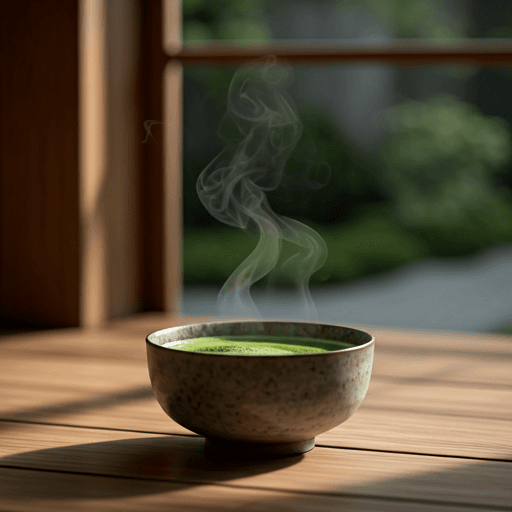
Indian tea is tea grown across India, one of the world's largest tea producers and second only to China. Most of it is black tea from three famous regions -- Assam, Darjeeling and Nilgiri -- built around two leaf styles (CTC and orthodox) and wrapped in the everyday ritual of masala chai, the spiced milk tea that flavours daily life. This guide walks through the regions, the leaf types and the chai culture that make the country's tea distinctive.
What is Indian tea?
Indian tea is simply tea from the Camellia sinensis plant grown on Indian estates, or "gardens." India is the world's second-largest tea producer and one of its biggest consumers, so a huge share of the crop is consumed within the country rather than exported. The overwhelming majority is black tea, though the country also makes green, white and a growing range of specialty teas. If you want the botanical big picture first, our overview of the types of tea explained covers how one plant becomes green, black, oolong and white.
Two ideas explain almost everything about Indian tea. The first is region: altitude, climate and soil give Assam, Darjeeling and Nilgiri teas their very different characters. The second is processing: whether the leaf is made in the fast, robust CTC style for milky chai, or the slower orthodox style that keeps whole leaves and delicate flavour.
Commercial tea in India dates to the 1830s, when a native tea plant was identified growing wild in Assam and estates were planted to rival Chinese imports. Darjeeling and the Nilgiris followed, and today the crop is overseen by the Tea Board of India. What began as a colonial-era export industry became a national drink: the country now grows tea across more than a dozen states, though the three big regions still define its reputation abroad.
Indian tea types: the big three regions
When people talk about Indian tea types, they usually mean the three classic black-tea regions. Assam and Darjeeling tea sit at opposite ends of the flavour spectrum, with Nilgiri in the middle -- and each has a distinct terroir.
Assam -- bold and malty
Assam is a hot, humid river valley in the northeast, spread along the Brahmaputra at low altitude. That tropical climate grows large, vigorous leaves that make a strong, full-bodied, malty tea with a deep coppery liquor. Most Assam is produced as CTC, which is exactly why it stands up so well to milk and sugar and forms the backbone of everyday chai. For the deeper dive on Assam and black tea generally, see our Assam tea and black tea guide.
Darjeeling -- delicate and muscatel
Darjeeling grows high in the Himalayan foothills of West Bengal, where cool air and thin mountain soil produce small yields of light, complex tea. Its signature is a grape-like "muscatel" character, most pronounced in the second flush (early summer), which earns Darjeeling the nickname "the Champagne of teas." The name is a protected geographical indication -- India's first, in fact -- so only tea grown in the district may legally be called Darjeeling. It is best enjoyed without milk. Harvests come in "flushes": the first flush (spring) is light and floral, while the second flush (summer) is the amber, muscatel-rich cup connoisseurs prize. Our Darjeeling tea guide covers the flushes and brewing in detail.
Nilgiri -- fragrant and brisk
Nilgiri, meaning "Blue Mountains," comes from the southern Western Ghats across Tamil Nadu, Kerala and Karnataka, at elevations roughly between 1,000 and 2,500 metres. Its flavour sits between Assam's boldness and Darjeeling's delicacy: fragrant, brisk, smooth and clean, with a bright golden liquor when made orthodox. Because it stays clear and doesn't turn cloudy when chilled, Nilgiri is a favourite base for iced tea and for blends.
| Region / type | Character | Best for |
|---|---|---|
| Assam (mostly CTC black) | Bold, malty, brisk, dark liquor | Strong milky chai, breakfast blends |
| Darjeeling (orthodox black) | Delicate, floral, muscatel, light-bodied | Sipping neat, afternoon tea |
| Nilgiri (CTC & orthodox black) | Fragrant, brisk, smooth, clear | Iced tea, blends, everyday cups |
| Kangra / Sikkim (specialty) | Light, subtle, Darjeeling-like | Small-batch, connoisseur cups |
| Kashmiri kahwa (green + spices) | Saffron, cardamom, cinnamon, almond | Warming, aromatic, milk-free |
| Masala chai (spiced milk tea) | Spiced, sweet, milky, robust | Daily comfort drink |
CTC vs orthodox: how the leaf is made
Every tea garden decides how to process the fresh leaf, and in the Indian trade the choice usually comes down to two methods.
CTC stands for "crush, tear, curl." Machines chop withered leaf into tiny uniform granules that brew fast, dark and strong. CTC dominates Indian production because it delivers the punchy, colour-rich cup that milky, sugary chai needs, and it is efficient and consistent at scale. Most Assam and much Nilgiri is CTC.
Orthodox is the traditional whole-leaf method: withering, gentle rolling, oxidation and firing, keeping the leaf largely intact. It gives a more nuanced, layered cup with subtler aromatics -- the style used for fine Darjeeling and premium Nilgiri, and the one you sip without milk. Neither is "better"; they simply suit different cups. As a rule of thumb, if you take your tea with milk, CTC shines; if you drink it neat, orthodox rewards you.
Green, white and specialty Indian teas
Black tea is the headline, but the same gardens increasingly make lighter styles. Darjeeling and Nilgiri estates produce elegant green and white teas, and newer regions such as Kangra (in the north) and Sikkim turn out small-batch specialty leaves. Because green tea skips oxidation, these are grassier and more delicate than the malty black norm.
The most famous non-black Indian tea is Kashmiri kahwa, a fragrant green tea from Kashmir brewed with saffron, cardamom, cinnamon and slivered almonds, traditionally served without milk. Its roots trace to Silk Road spice-and-saffron infusions, and it remains a warming, aromatic ceremony-style cup rather than an everyday brew.
Masala chai culture
No account of Indian tea is complete without masala chai culture. Chai is spiced milk tea: strong CTC black tea simmered with milk, sugar and a blend of spices -- typically cardamom, ginger, cinnamon, cloves and black pepper. It is brewed fresh, poured from height for froth, and sold everywhere from roadside chai stalls to home kitchens, making it one of the most-consumed hot drinks on earth.
Masala chai is a cultural institution as much as a recipe: a small cup marks a break, welcomes a guest, and punctuates the day. We keep the full definition and brewing method on their own page -- see what is chai tea for the background and how a proper cup comes together.
How to choose an Indian tea
Match the tea to the moment. Want a robust morning cup with milk? Reach for an Assam or a CTC breakfast blend. Want something delicate to sip slowly in the afternoon? A Darjeeling, ideally a second flush, neat. After a light, aromatic cup with no milk? Try a Nilgiri green or a Kashmiri kahwa. And for the everyday ritual, brew masala chai. The beauty of Indian tea is its range: one country, one plant, and a spectrum that runs from the boldest breakfast brew to the most delicate mountain leaf.
Indian tea rewards curiosity. Once you can taste the difference between a malty Assam and a muscatel Darjeeling, the world of single-origin leaf opens up -- and a home-brewed chai starts to feel like a small daily luxury. Explore a region that catches your eye, brew it the way it wants to be brewed, and let your palate lead from there.