
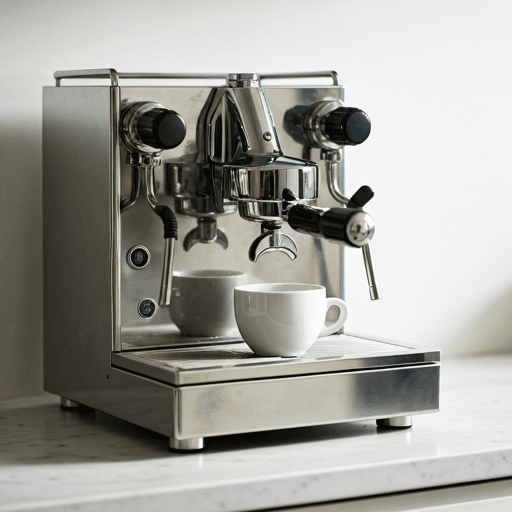
Cleaning an espresso machine means removing the stale coffee oils and fine grounds that build up in the group head, portafilter and steam wand — usually with a dedicated espresso machine cleaner like Cafiza and, on machines that allow it, by backflushing. That is a different job from descaling, which strips mineral limescale from inside the boiler and water path. This guide covers how to clean an espresso machine the right way, on a simple daily, weekly and periodic schedule, so every shot tastes clean rather than bitter and rancid.
Cleaning vs. Descaling: Two Different Jobs
People often mix these up, but they target different gunk. Cleaning removes coffee residue — the oils, crema and puck debris that coat the shower screen, basket and group. Descaling removes limescale, the chalky mineral deposits that water leaves inside the boiler and pipes over time. You do both, but on separate schedules and with different products. A coffee-oil cleaner will not touch limescale, and a descaler will not lift baked-on coffee oils.
For the mineral side of maintenance, see our overview of how to descale and clean a coffee machine, and for pod owners, how to descale a Nespresso machine. This page stays focused on the coffee-oil cleaning and backflushing side.
What Is Cafiza and Why Backflush?
Cafiza is a well-known alkaline cleaning powder made for espresso machines. Alkaline detergents are good at dissolving the fatty coffee oils that ordinary rinsing leaves behind. Those oils are exactly what turn rancid: once they oxidize, they add a stale, bitter, ashtray-like edge to otherwise good coffee. Regular cleaning keeps flavor bright and stops residue from clogging the fine holes in your shower screen.
Backflushing is how you push that cleaner into the parts you cannot reach with a cloth. Instead of water flowing out through the coffee, a blind basket forces it back through the group head and its internal valve, flushing oils out through the machine's drain. It is the single most effective way to clean an espresso machine group head — but, importantly, only some machines can do it safely. More on that below.
Cafiza is one brand; Biocaf, Full Circle and similar espresso-specific detergents work the same way. Never substitute dish soap or general kitchen cleaner, which can leave residue and attack the machine's rubber seals.
Your Daily Cleaning Routine
A couple of quick habits after each session prevent most build-up:
- Purge and wipe the steam wand right after steaming milk. Milk cooks onto a hot wand in seconds, so open the steam a beat to purge the tip, then wipe it with a damp cloth immediately.
- Knock out the puck and give the portafilter and basket a rinse under hot water.
- Wipe the group gasket and the underside of the group with a cloth to clear loose grounds before they harden.
- Run a quick water flush through the empty group head to rinse the screen.
None of this takes more than a minute, and it is what keeps the weekly deep clean easy.
Weekly Deep Clean With an Espresso Machine Cleaner
Once a week (more if you pull many shots a day), go deeper:
- Soak the portafilter and baskets in a warm Cafiza solution for roughly 20–30 minutes to lift oils, then scrub lightly and rinse thoroughly. If you use a bottomless portafilter, this is the moment to clean its underside, where oils collect unseen.
- Brush the group head and shower screen. A stiff group brush works loose the grounds around the seal. If your shower screen unscrews, remove it and soak it in the same solution.
- Backflush if your machine supports it (see the next section).
Follow the label for how much powder to use and always rinse until no soapy taste or foam remains.
How to Backflush an Espresso Machine
First, a safety check that matters: not every machine can be backflushed. Backflushing only works on machines fitted with a three-way solenoid valve — the part that releases group pressure after a shot and lets dirty water escape to the drain. Many prosumer and E61-style machines have one; a lot of entry-level single-boiler machines do not. Forcing a blind basket onto a machine without that valve makes the pump push against a fully sealed system, which can stress the pump, rupture seals or damage the pressure-relief valve. When in doubt, check your manual. If your machine cannot backflush, skip this step and rely on soaking and brushing instead.
If your machine does have a three-way valve, backflush like this:
- Fit the blind (unperforated) basket into your portafilter. This solid basket blocks water so pressure builds back through the group.
- Add a small measure of Cafiza — about half a teaspoon, or whatever the label specifies. A little goes a long way.
- Lock the portafilter into the group and start the brew cycle for about 10 seconds, then stop for about 10 seconds. Repeat that pulse roughly five times. You will see dark, oily water drain away.
- Remove the portafilter, run the group briefly to rinse it, and rinse the blind basket.
- Repeat the pulse cycle with the blind basket but no cleaner — plain water only — several times to flush out every trace of detergent.
- Refit a normal basket and pull one shot to waste. Discard it; do not drink it. This clears any last residue from the group.
The golden rule is to rinse more than you think you need to. Detergent left in the group will taint your next few coffees.
Steam Wand, Drip Tray and Tank
The steam wand deserves its own attention: purge before and after steaming, wipe it the instant you finish, and if the tip's holes clog, unscrew it (or leave it attached) and soak it in a warm Cafiza or dedicated milk-cleaner solution, then clear the holes with a pin. Milk residue is a hygiene issue, not just a flavor one.
Empty and wash the drip tray and grate every few days with warm, soapy water so they do not grow a film or smell. Rinse the water tank regularly and refill with fresh, filtered water — good water also slows the limescale that makes descaling necessary in the first place.
Cleaning Cheat Sheet
| Part | How to clean | How often |
|---|---|---|
| Steam wand | Purge, wipe with a damp cloth immediately; soak tip in Cafiza solution if clogged | After every use |
| Portafilter & basket | Knock out puck, rinse under hot water, wipe | After every shot |
| Group gasket & rim | Wipe with a cloth or group brush; flush group with water | Daily |
| Shower screen / group head | Brush; soak removable screen in Cafiza solution | Weekly |
| Portafilter & baskets (deep) | Soak in warm Cafiza solution, scrub, rinse well | Weekly |
| Internal group (backflush) | Blind basket + a little Cafiza, pulse the pump, rinse with plain water | Weekly–biweekly (three-way valve only) |
| Drip tray & grate | Empty, wash with warm soapy water, dry | Every few days |
| Water tank | Empty, rinse, refill with fresh water | Regularly |
Common Mistakes to Avoid
- Backflushing a machine that cannot handle it. No three-way valve means no blind-basket backflushing — check the manual first.
- Using too much cleaner. A small measure is plenty; excess just means more rinsing.
- Under-rinsing. Always follow with plain-water cycles and a throwaway shot.
- Confusing cleaning with descaling. They are separate tasks; doing one does not cover the other.
- Ignoring the wand. Wipe it every single time — dried milk is the hardest residue to remove later.
Keeping It Easy Long-Term
A clean machine is mostly about small, consistent habits: wipe as you go, soak once a week, and backflush if your machine is built for it. If you are still shopping and want maintenance to be simple, cleaning access is worth weighing up — our guide on how to choose an espresso machine covers what to look for. Pair that with a regular descaling routine, and your espresso will keep tasting the way it should for years.