
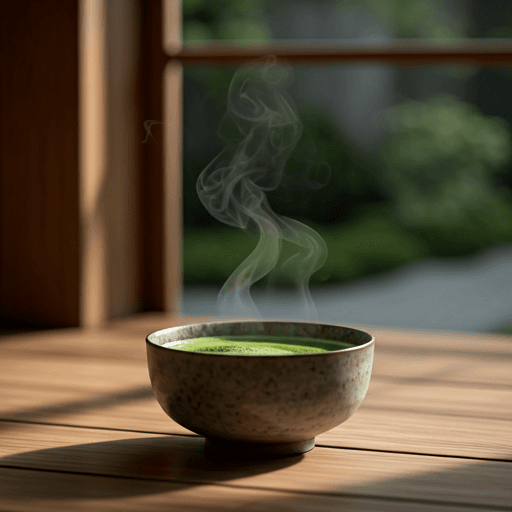
If you are wondering how much valerian tea per day is reasonable, the short, hedged answer is that most people who enjoy it keep to roughly 1 to 3 cups a day, and often just one cup in the evening. Valerian (Valeriana officinalis) has a long folk reputation as a calming, wind-down herbal, so it tends to be treated as an occasional bedtime drink rather than an all-day beverage. There is no single official, universal limit, though, and tolerance varies a lot from one person to the next.
Because valerian can interact with sedatives, sleep aids and some other medicines, the honest guidance here is less a fixed number and more a principle: start light, notice how you feel, do not lean on it, and check with your own healthcare provider if you have questions. Everything below is general information to help you think it through, not medical advice.
The short answer: how much valerian tea per day
For most healthy adults who simply like the taste and the ritual, a common pattern is one cup in the evening, and at most around two to three light cups spread across a day. Plenty of people never go past a single cup before bed. If you have seen the question phrased as how many cups of valerian tea a day, that is the same idea, and the same hedge applies: these are general habits people describe, not a prescribed valerian tea daily amount that fits everyone.
Why keep it loose? Because valerian tea is a herbal infusion, not a standardized product. The strength of your cup depends on how much dried root you use, how long you steep it, and the root itself. Two cups brewed very differently can feel quite unalike. So treat any number you read, including the 1-to-3 range above, as a loose starting reference rather than a rule.
Why valerian tea is usually an evening cup
Valerian has been used for a very long time as a soothing, settle-down herbal, which is why it usually shows up as an evening or bedtime drink rather than a morning pick-me-up. That traditional reputation is exactly why the daily amount tends to stay small: people reach for it to unwind, not to sip all afternoon. For the fuller story on the herb itself, our valerian root tea guide covers what it is and how it is traditionally enjoyed, so we will not rehash those details here.
The practical takeaway for how much per day is simply this: valerian is a "little and late" kind of tea for most people. One relaxed cup an hour or so before bed is a typical rhythm, and stacking several strong cups is not really the point. If anything, a smaller, weaker cup that you actually enjoy tends to beat a large, bracingly strong one.
Why "how much" is really personal
There is no one-size-fits-all cup count because several things shift what feels comfortable for you. Body size, individual sensitivity, how strongly you brew, and anything else you happen to be drinking or taking all matter. Some people feel plenty relaxed after one weak cup; others notice very little at all. Neither response is wrong, and neither means you should keep adding cups to chase a stronger effect. The table below sketches the main factors and why each one nudges the right amount up or down for you.
| Factor | Why it changes how much suits you |
|---|---|
| Body size and metabolism | A smaller frame or a slower personal metabolism can mean a given cup feels stronger, so a comfortable amount may be less than a larger person's. |
| Individual sensitivity | People simply respond differently to herbal infusions. If valerian feels noticeable for you, one gentle cup may be all you want. |
| Brew strength | More dried root and a longer steep make a far more potent cup, so a strong brew "counts" for more than a weak one at the same cup size. |
| Other drinks and medicines | Alcohol, sleep aids, and some medications can overlap with valerian's calming reputation, which is a reason to keep the amount low and ask a provider. |
| Time of day and your goal | Since it is used as an evening wind-down, most people concentrate their small amount near bedtime rather than spreading it through the day. |
| Full or empty stomach | Herbal teas can feel different on an empty stomach; a gentle cup with or after food may sit more comfortably for some people. |
Who should be extra cautious or ask a provider first
Some people should be more careful with valerian tea and are best off checking before they make it a habit at all. This is not a scary list, just a sensible one, and the right move in each case is to ask your own healthcare provider rather than to follow a number from an article. Be extra cautious if you are:
- Pregnant or breastfeeding. There is limited information about valerian in these situations, so a provider's input is the sensible first step.
- Taking sedatives, sleep or anxiety medication. Valerian's calming reputation may overlap with these, so combining them is a conversation to have with a professional.
- Heading into surgery. People are often asked to pause certain herbals before a procedure, so mention valerian to your care team ahead of time.
- Considering it for a child. Do not decide a children's amount on your own; ask a pediatric provider first.
- Managing an ongoing health condition or taking daily medicines. A quick check for interactions is worth it before it becomes a nightly routine.
Is it safe to drink valerian tea every day?
Is it safe to drink valerian tea every day? For many healthy adults, an occasional or even nightly light cup is a common habit, but "every single day, indefinitely" is exactly the kind of thing worth running past a healthcare provider, especially if you take other medicines or find you cannot wind down without it. A reasonable middle path is to keep any daily cup gentle, take breaks now and then, and treat valerian as one small part of a bedtime routine rather than something you depend on. Responses vary, and this is general information, not medical advice.
A quick note on caffeine
One thing that makes the "how much" question simpler: valerian tea is naturally caffeine-free, since it comes from the valerian root rather than the caffeinated tea plant. That means the daily-amount question is about the herb and how it makes you feel, not about a caffeine ceiling. If you want the specifics, we cover it in does valerian tea have caffeine. Being caffeine-free is also part of why it reads as an evening drink in the first place.
Practical tips for keeping it moderate
If you want a simple, low-key approach to valerian tea, these habits keep things sensible without turning your evening into a science project:
- Start with one weak cup and see how you feel before deciding whether you even want more.
- Let brew strength do the work. A shorter steep or less root is an easy way to dial things down rather than switching to more cups.
- Do not rely on it. Good sleep habits, light, and screens matter too; valerian is a small ritual, not a fix.
- Skip the alcohol pairing. Avoid combining valerian with alcohol or sedatives, which is a common-sense caution rather than a rule you can safely ignore.
- Take the odd night off so it stays an occasional pleasure rather than an automatic reflex.
If you are exploring calming herbals more broadly, the same "keep it modest and personal" logic shows up in our looks at how much chamomile tea per day and how much hibiscus tea per day. Across all of them the pattern is the same: a small, enjoyable amount adjusted to your own body beats chasing a number. Responses vary from person to person, this is general information rather than medical advice, and anything about medications, pregnancy, breastfeeding or children is a question for your own healthcare provider.