
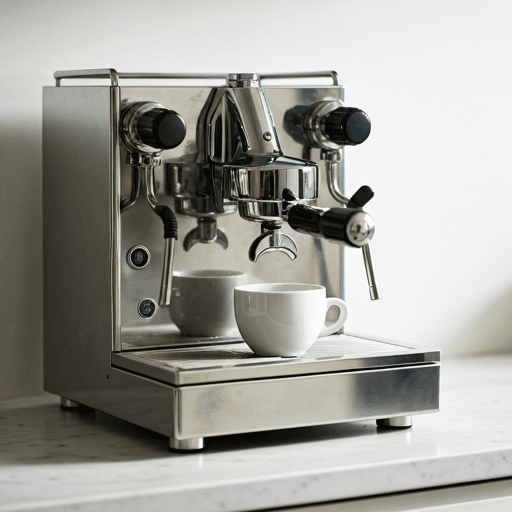
A home coffee station is a small, dedicated spot -- a stretch of counter, a rolling cart or a cabinet -- where everything you need to make coffee lives together, so your morning routine is quick, tidy and genuinely enjoyable. Setting one up is less about spending money than about smart placement: choose a location, gather your essentials, then arrange them so the beans, brewer and mugs are all within arm's reach. Here is how to plan a home coffee bar that actually works, whatever your space.
What Is a Home Coffee Station?
A coffee station is simply the one place in your home where your coffee gear and ingredients live side by side. Instead of hunting for the grinder in one cupboard and the filters in another, you keep it all in a single zone -- on a counter, a bar cart, a shelf or inside a "coffee cabinet." The idea borrows from how a cafe runs: group tools by task so you can move from beans to brewed cup without crossing the room.
People call it different things -- a coffee corner, a coffee nook, a coffee bar at home -- but the goal is always the same: less friction in the morning and a spot that is pleasant to use. If a cafe-style setup is your inspiration, our guide to what a coffee bar is explains the concept behind the aesthetic.
Step 1: Choose the Right Location
Location decides everything else, so start here. Look for a spot that ticks these boxes:
- Near a power outlet. Your machine, grinder and kettle all need to plug in. A spot with at least one free outlet -- ideally two -- saves you from a tangle of extension cords.
- Close to water, if you can. Being a few steps from the sink makes filling the kettle and rinsing the carafe painless. It is not essential, but it is a real quality-of-life upgrade.
- Out of the main traffic path. A corner of the counter, one end of the kitchen island or a sideboard keeps you from bumping elbows with whoever is making breakfast.
- Enough clearance to brew. Leave room to swing open a machine lid, tamp a shot or lift a full kettle without knocking things over.
From there, pick the format that fits your space. A stretch of counter is the simplest. A rolling cart can be wheeled out of the way and is ideal for renters. A cabinet or cupboard hides everything behind a door when you want the kitchen to look clean.
Step 2: Gather the Essentials
Now assemble the gear. What you need depends entirely on how you brew, so build around your favorite method rather than buying everything at once.
- A brewer. This is the anchor: a drip machine, pour-over dripper, French press, moka pot, pod machine or espresso setup. Give it the prime real estate closest to the outlet.
- A grinder. Fresh grounds make a real difference. Set the grinder right beside the brewer so grinding flows straight into brewing. Our coffee grinder guide covers the burr-versus-blade choice if you are still deciding.
- A kettle. Essential if you pour over or use a French press; a gooseneck spout gives you control, though any kettle works to start.
- Airtight bean storage. Beans fade fast in light, heat and air. Opaque, sealed canisters near the brewer keep them fresh -- see our roundup of airtight coffee storage containers for what to look for.
- Mugs. Keep your everyday cups and travel tumblers here so you are not reaching across the kitchen half-awake.
- Your add-ins. Sugar, syrups, creamer or milk, plus spoons and a stirrer, so a customized cup is a one-stop job.
Component Checklist: Must-Haves vs Nice-to-Haves
If you are starting from scratch, separate the non-negotiables from the extras so you can build over time.
Must-haves
- A brewer that matches how you like coffee
- A grinder (or pre-ground beans if you skip one)
- Airtight bean storage
- Mugs
- A kettle, if your method needs hot water poured by hand
- Your everyday add-ins (sugar, milk or creamer)
Nice-to-haves
- A scale for repeatable coffee-to-water ratios
- A tray or tiered shelf to corral small items
- A milk frother for lattes and cappuccinos
- A knock box if you pull espresso shots
- Decorative touches: a small plant, a framed print, warm lighting
- A drip tray or waterproof mat under the machine
Organizing and Styling Your Coffee Bar
Good organization is what turns a pile of gear into a station you actually enjoy using. A few reliable moves:
- Use a tray to define the zone. A single tray under your beans, sugar and spoons visually groups the station and contains spills. It also makes wiping down a two-second job -- lift the tray, wipe, replace.
- Store beans and sugar in matching canisters. Airtight tins keep contents fresh and give the counter a calm, uniform look. Stackable tins save space in a tight kitchen.
- Go vertical. A tiered shelf or a couple of floating shelves above the machine hold mugs, canisters and a small plant without eating counter space. Hooks under a shelf turn wasted air into a mug rack.
- Mind the lighting. A small lamp, an under-shelf strip or simply setting up near a window makes the corner feel inviting and helps you see what you are doing before sunrise.
There is a natural tension between function and the pretty "coffee bar" aesthetic you see online. Aim for function first: keep your most-used tools within arm's reach and do not overcrowd the surface. Then add the personal, decorative touches -- they are what make the spot feel like yours, so long as they do not crowd out the workspace.
| Zone or component | What goes there | Tip |
|---|---|---|
| Brew zone | Coffee maker or espresso machine, kettle | Place nearest the outlet and, ideally, the water source |
| Grind zone | Grinder, scoop, scale | Set beside the brewer so grinding flows into brewing |
| Bean storage | Airtight canisters, bags of beans | Keep out of direct sun and heat; note the roast date |
| Mug zone | Everyday mugs, travel tumblers | A wall-hook rack or open shelf frees up the counter |
| Add-in tray | Sugar, syrups, creamer, spoons | Corral small items on a tray so spills stay contained |
| Cleanup corner | Drip mat, knock box, small bin, cloth | Wipe as you go and empty the knock box daily |
Small-Space Coffee Station Ideas
No spare counter? A coffee station can be almost any size. Some proven small-space coffee station ideas:
- A rolling cart. A slim bar cart tucks into a corner or gap beside the fridge and wheels out when you brew. It is the single most flexible solution for apartments and renters.
- A single drawer. A free drawer near the kettle is perfect for pods, filters, spare spoons and sugar packets, keeping the counter clear.
- A floating shelf or two. Even a narrow wall can host a functional station: machine on the counter, canisters and mugs on shelves above, hooks below.
- A cupboard "coffee cabinet." Dedicate one cabinet or a section of the pantry so the whole setup disappears behind a door between cups.
- A deep countertop corner. An awkward corner that collects clutter is often the perfect footprint for a compact coffee bar at home.
Keeping Your Coffee Station Tidy
A station only stays a joy to use if it stays clean. Build tidiness into the setup rather than saving it for later:
- Put a drip tray or waterproof mat under the machine to catch splashes and coffee rings.
- Add a knock box if you pull espresso, so spent pucks have somewhere to go besides the sink.
- Keep a small bin nearby for filters, pods and grounds -- and remember that used grounds are great for the compost or the garden.
- Stash a cloth on the station and wipe as you go; ten seconds after each cup beats a scrub-down later.
The Office "Coffee Room" Variant
The same logic scales up to shared spaces. A workplace coffee room or office coffee corner is really a communal coffee station: a machine or two, a kettle, a supply of beans or pods, mugs, and a spot to rinse up. The differences are volume and shared upkeep -- more cups, more people, so labeled storage, a clear cleanup routine and a bigger bin matter even more. The principle holds: group everything by task and keep it near power and water.
Bringing It Together
A great home coffee station is not about owning the fanciest machine; it is about designing a small, deliberate space where the whole ritual flows. Start with a location near an outlet, gather the essentials that match how you brew, organize by zone, and keep it tidy as you go. Once it clicks, that corner becomes the easiest and most enjoyable part of the day -- pair it with a few good morning coffee rituals and your setup will earn its keep long before you have finished the first cup.